
New collection
Earth Line Skirting Boards





Buy assembly adhesives
Buy original accessories

LED PROFILE
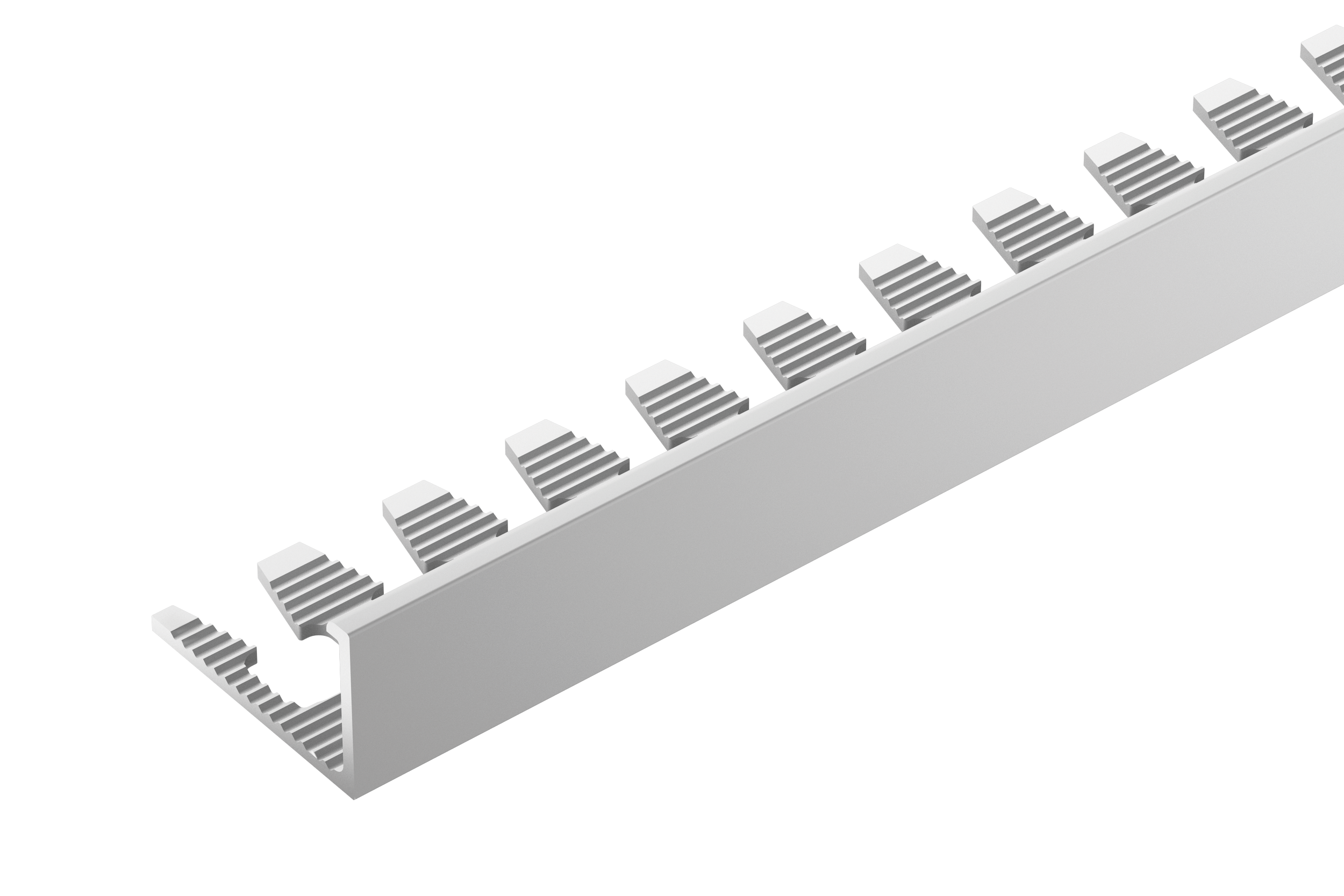
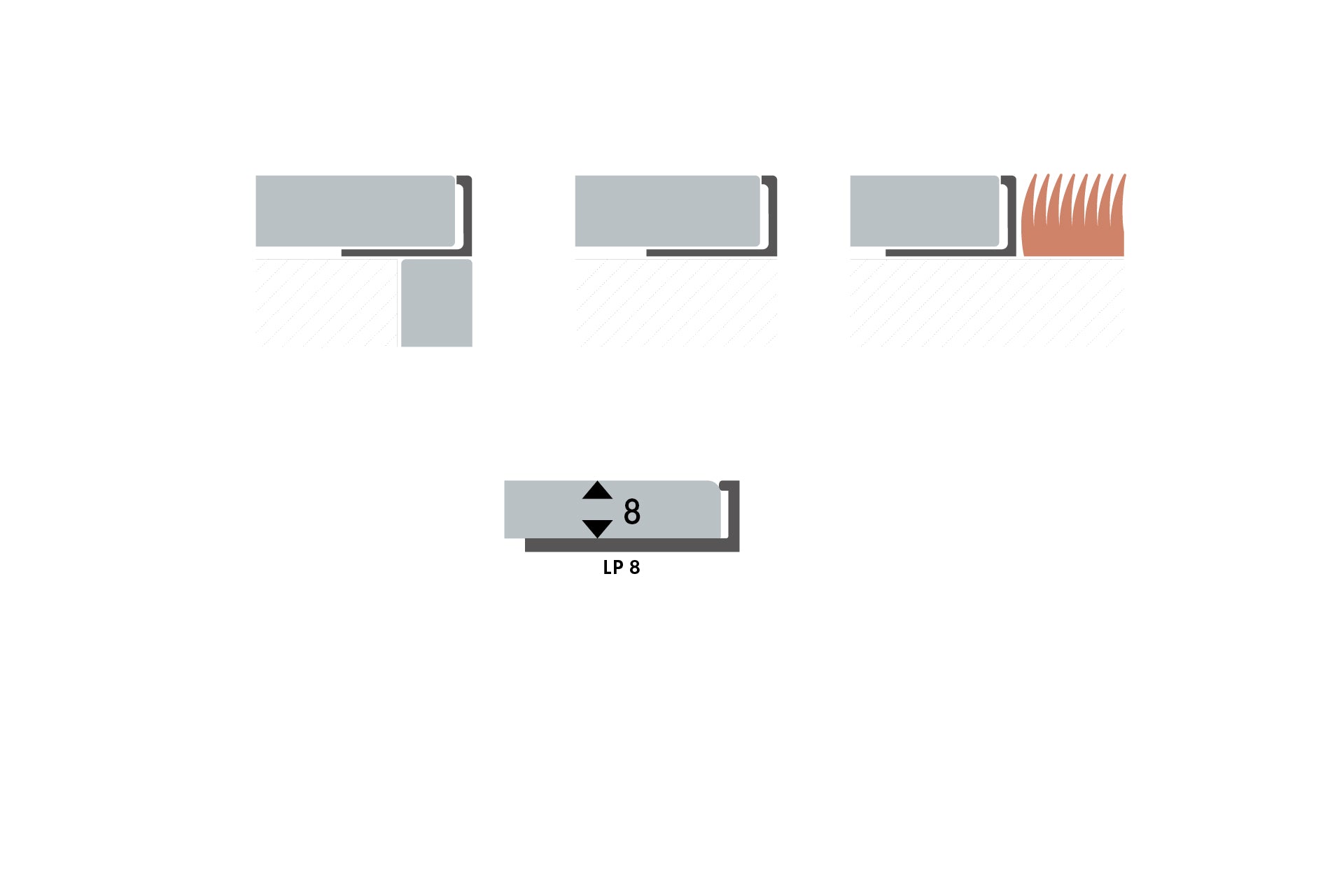
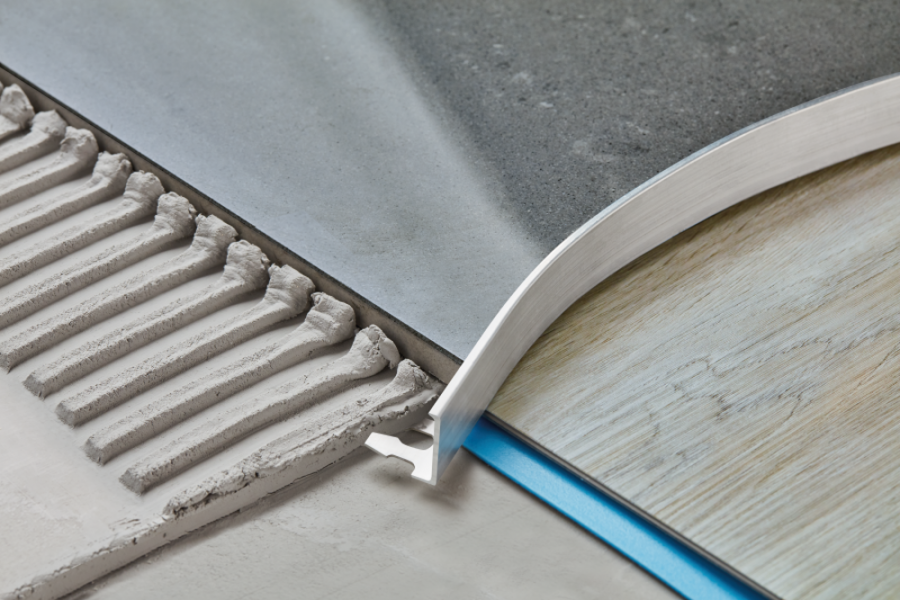
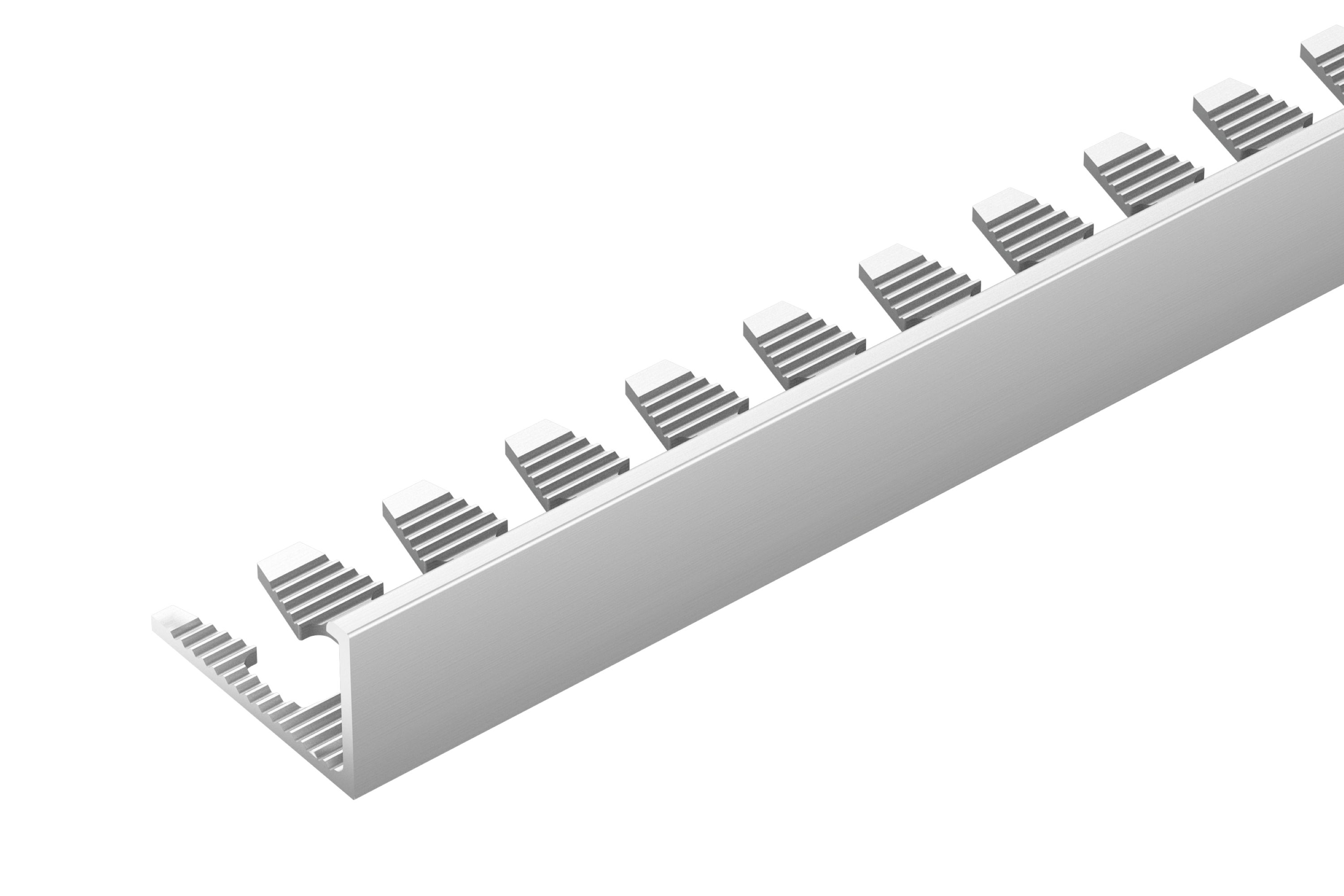
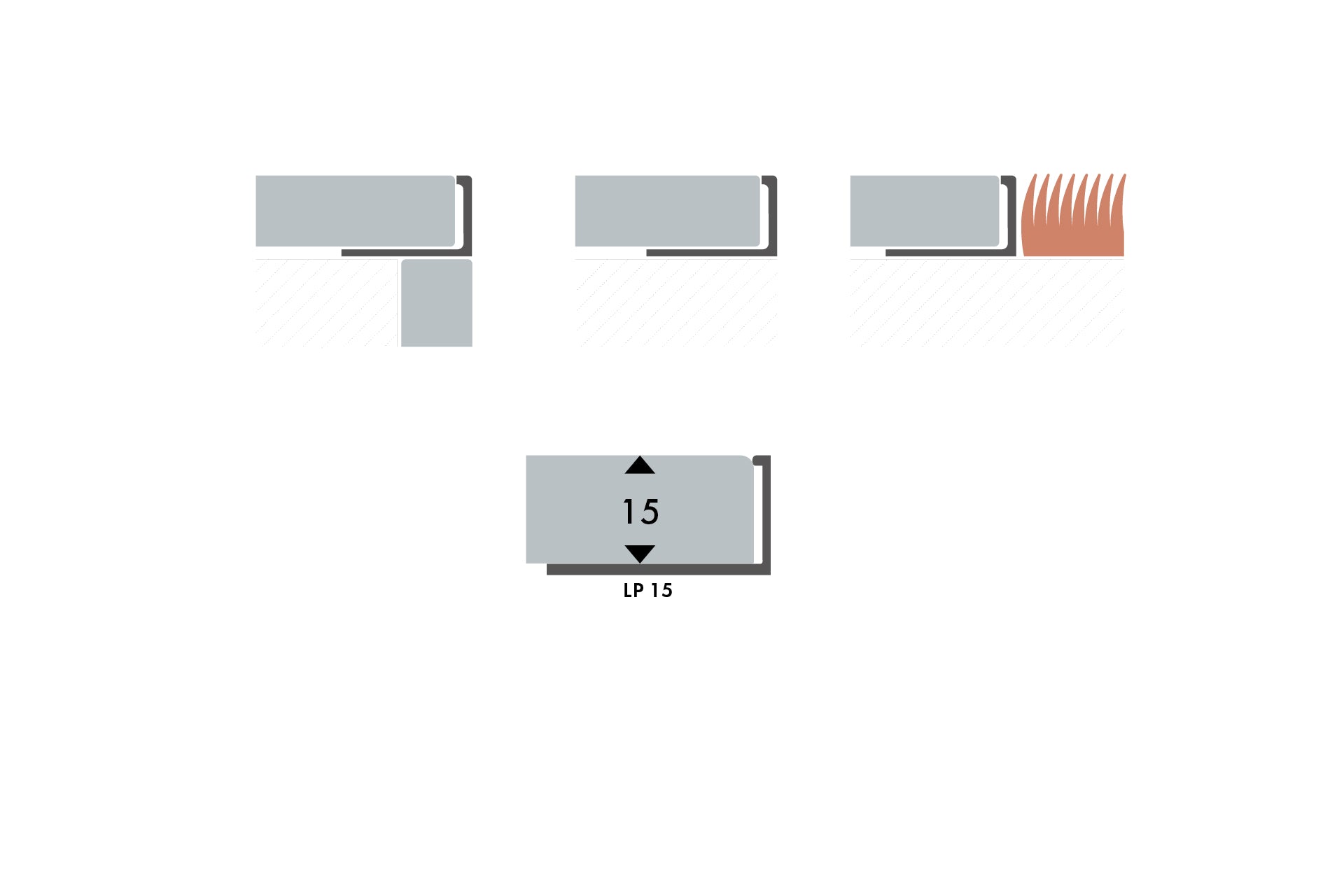
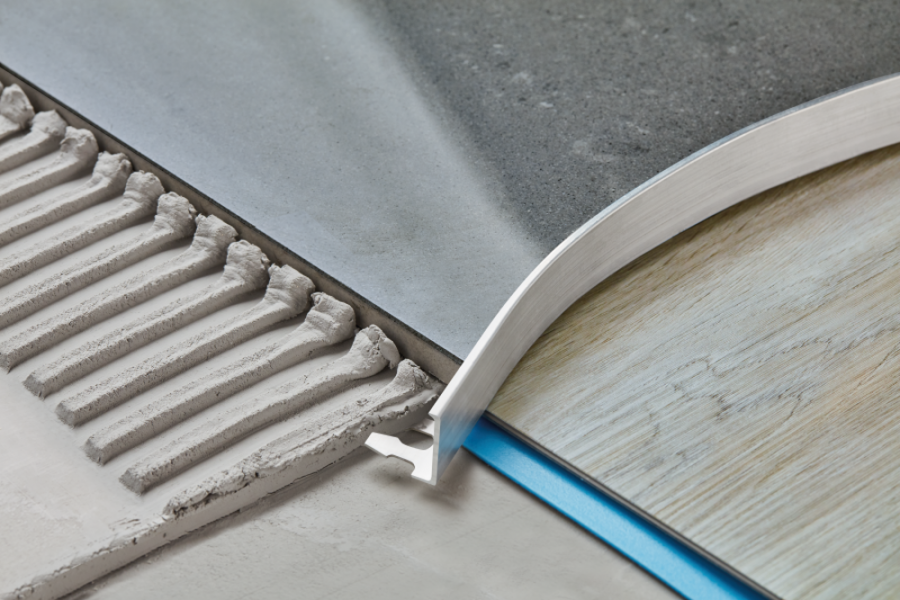


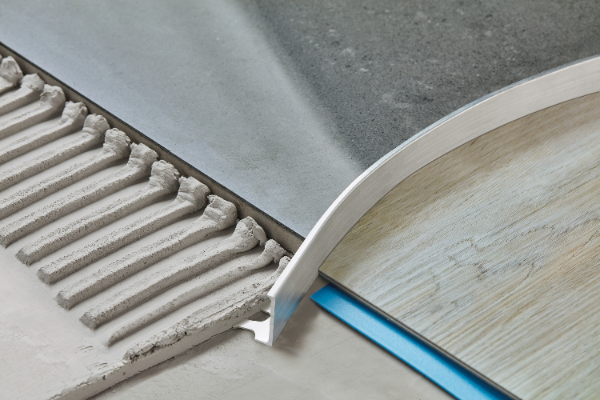

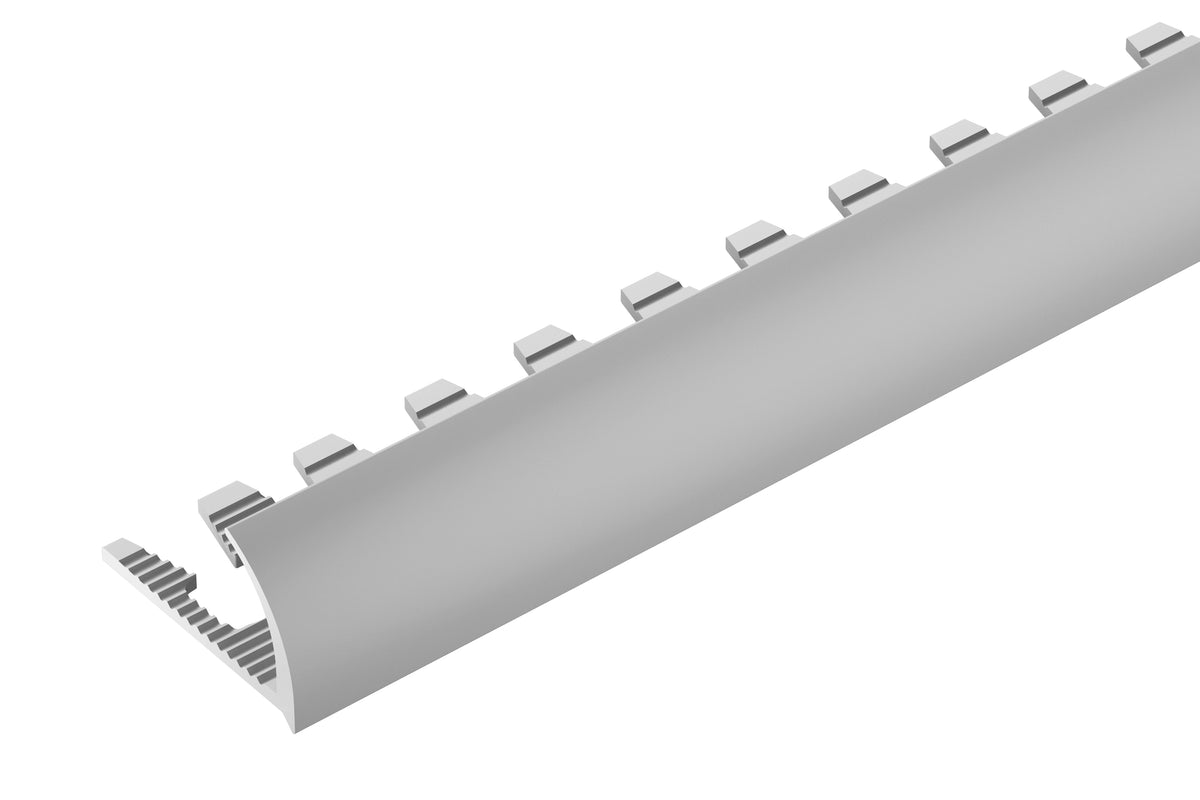
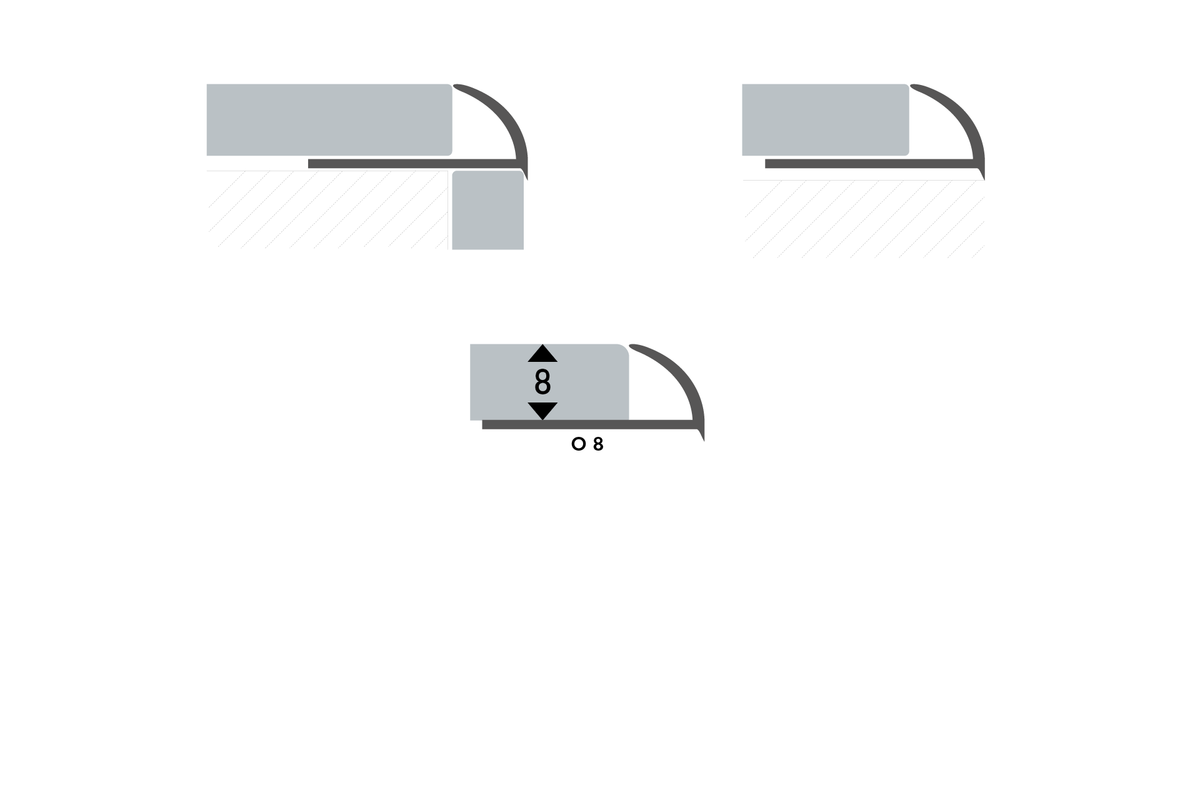
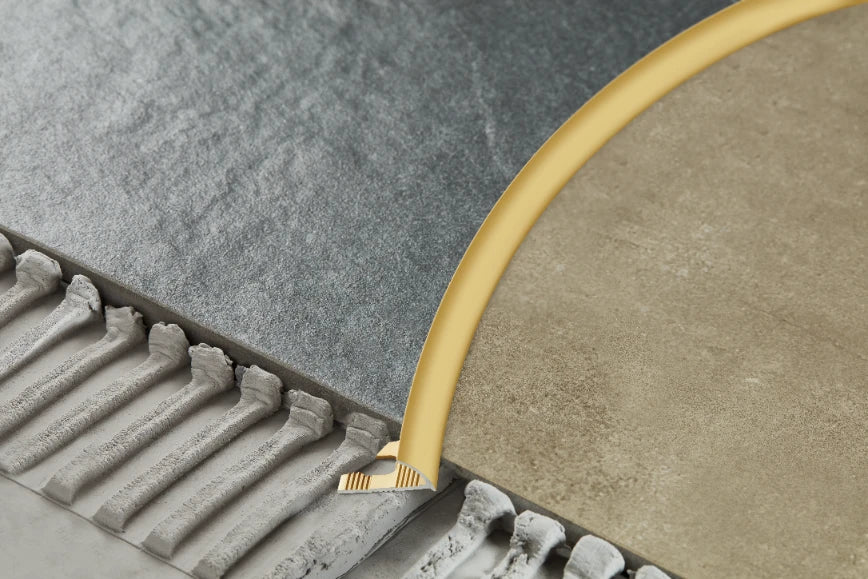
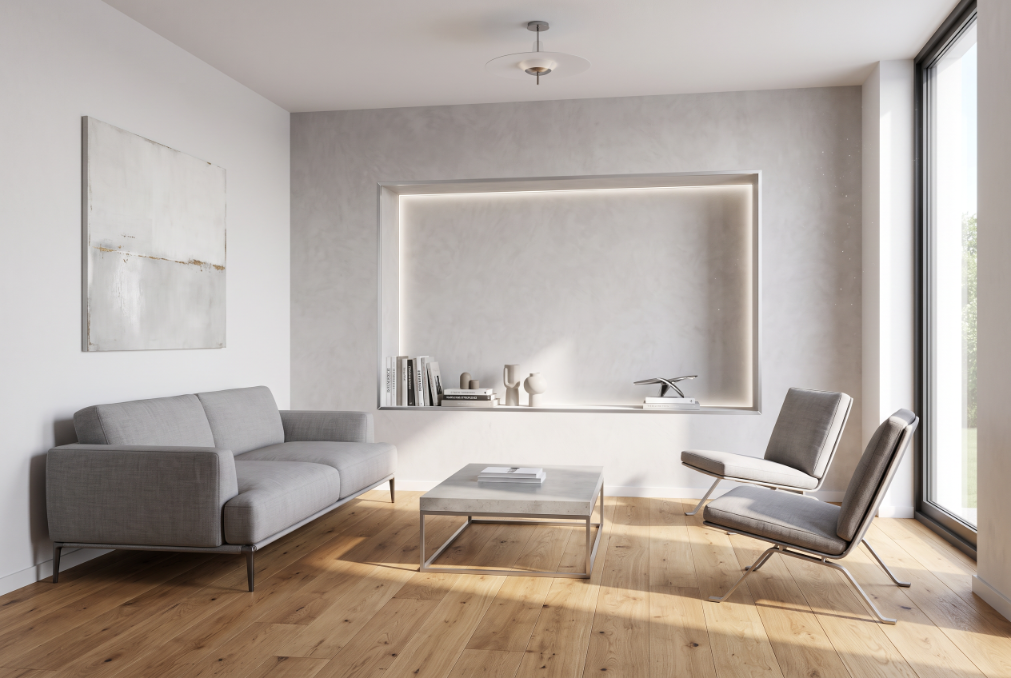
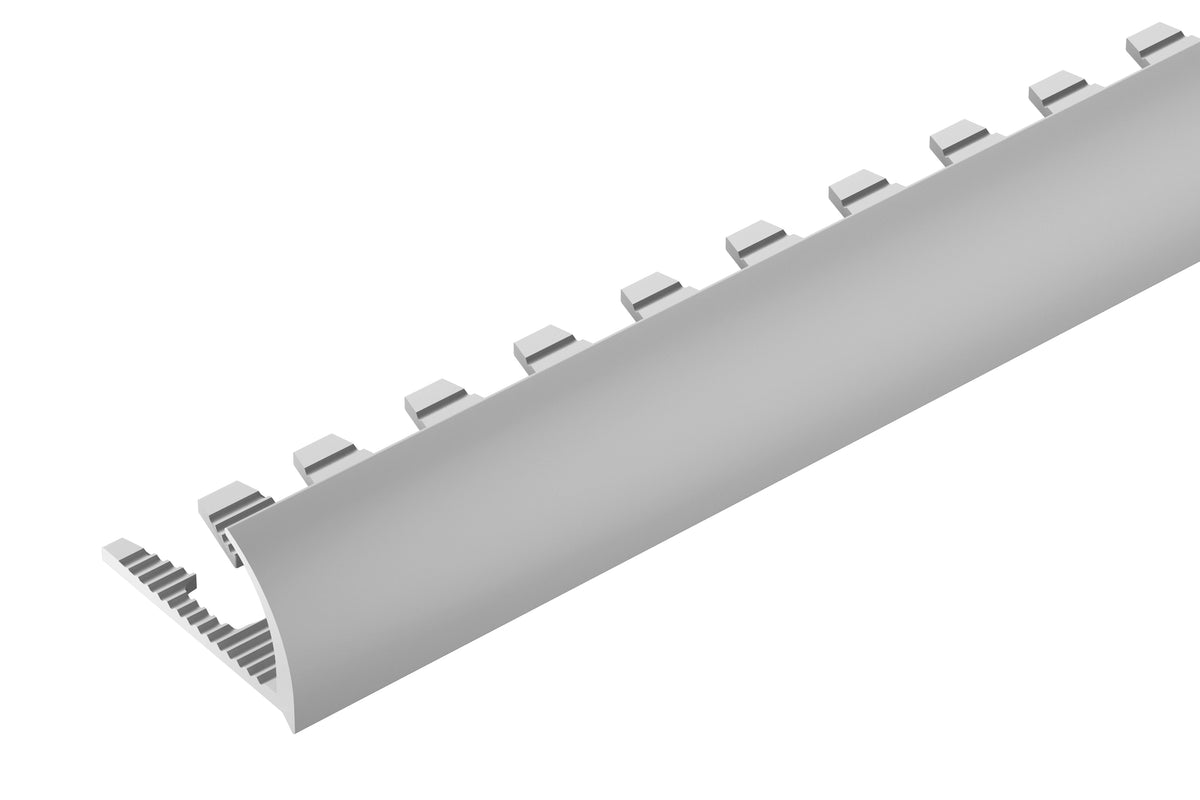

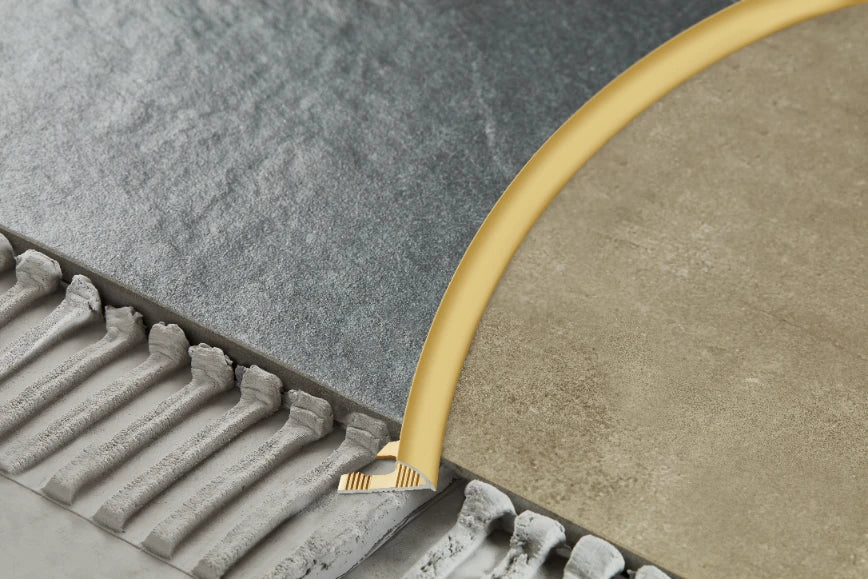
Arch profiles for arches are very useful when finishing modern, rounded surfaces and elements. In our offer, you will find models made of high-quality materials, thanks to which you will quickly achieve the desired visual effect. Discover how arch profiles can transform any interior design!
Read more
What are arch profiles for tiles and finishing a tile arch?
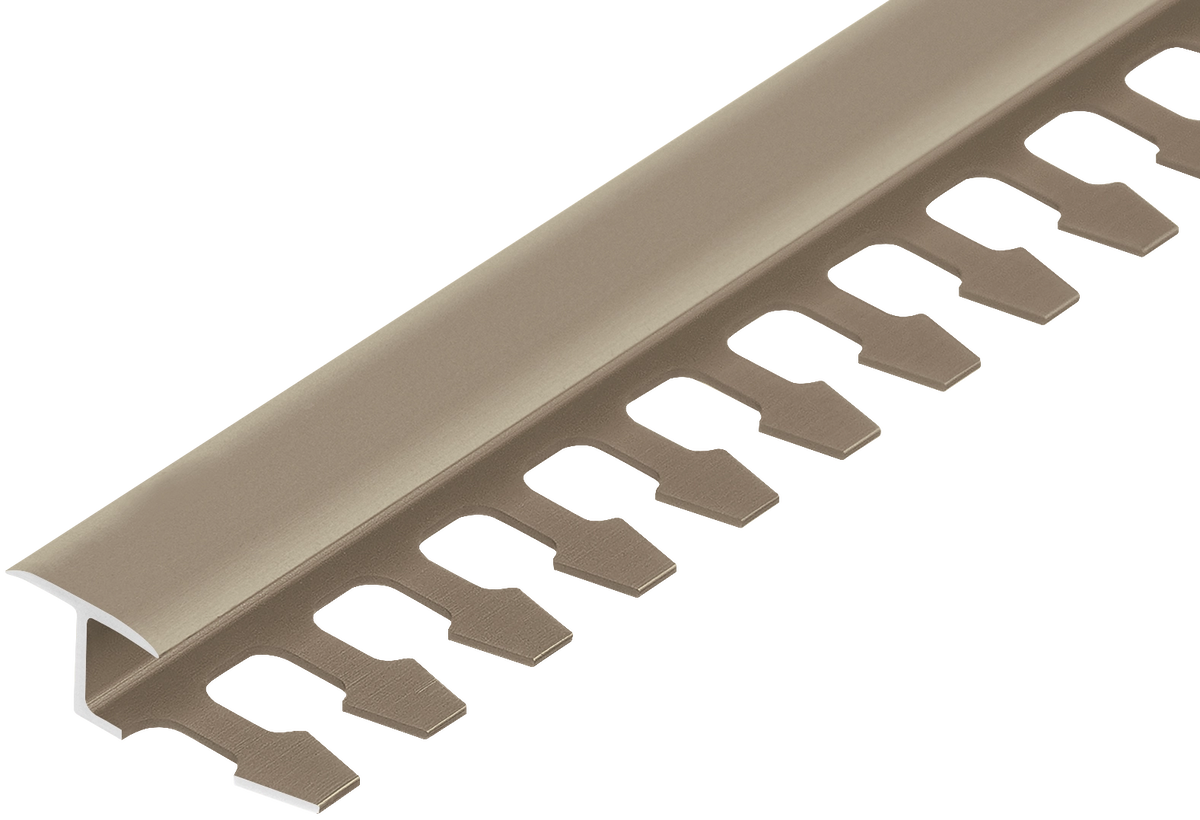
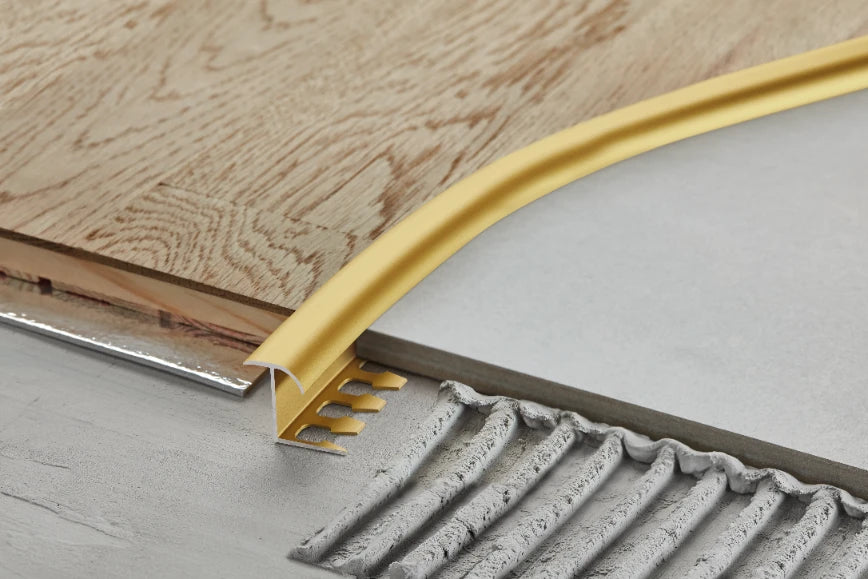
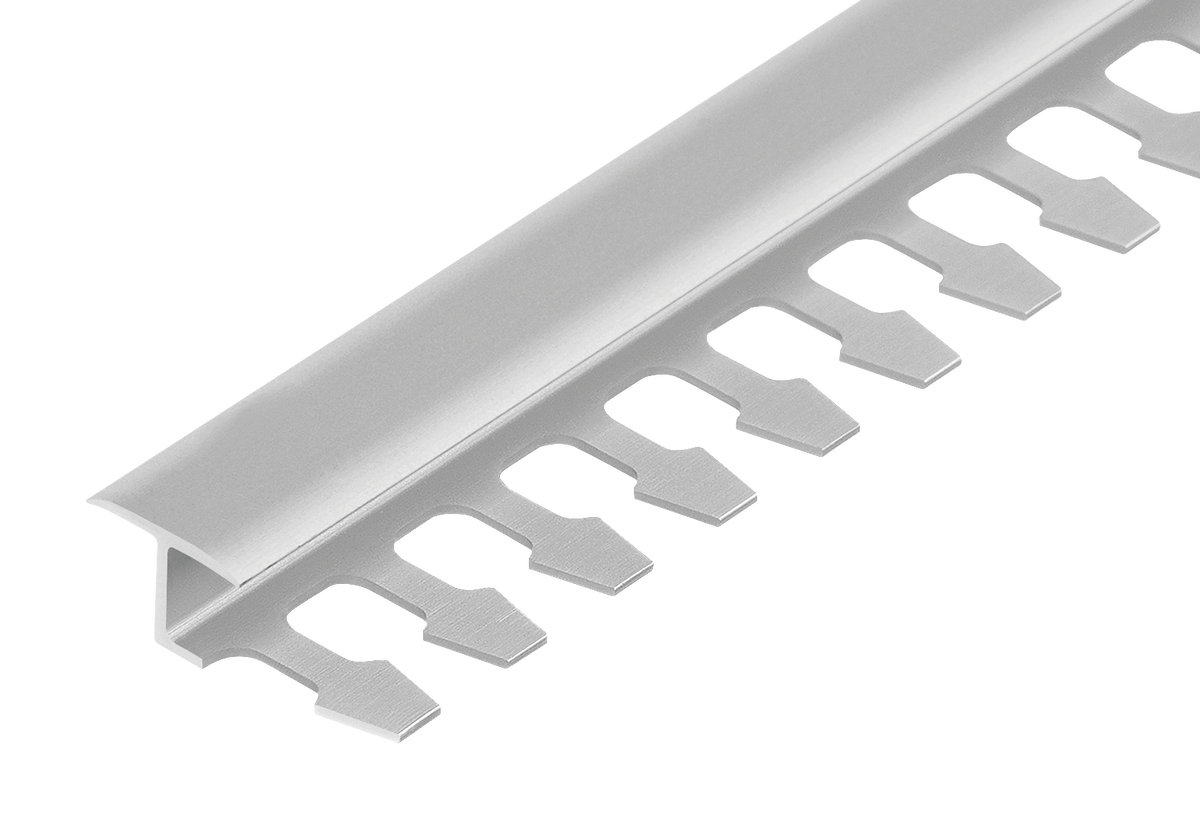
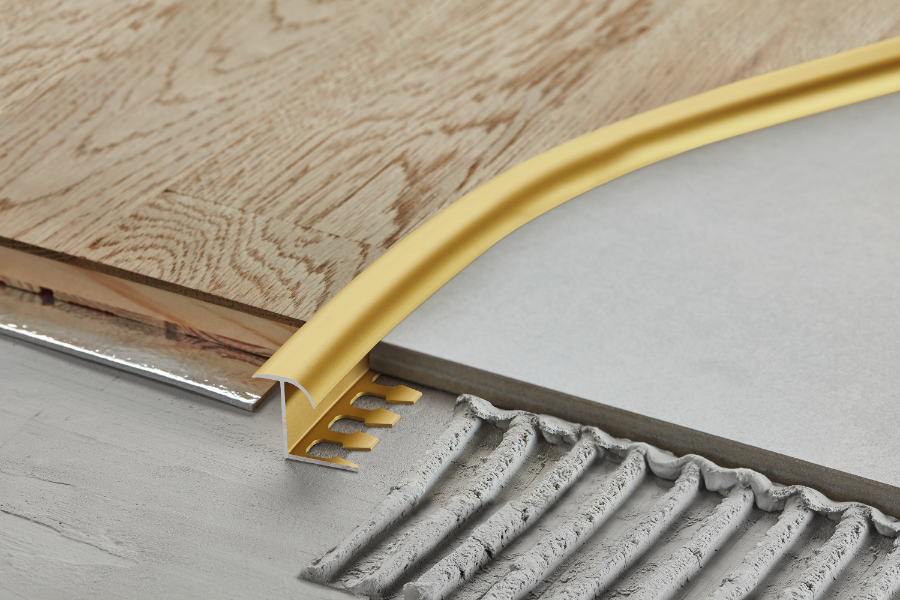
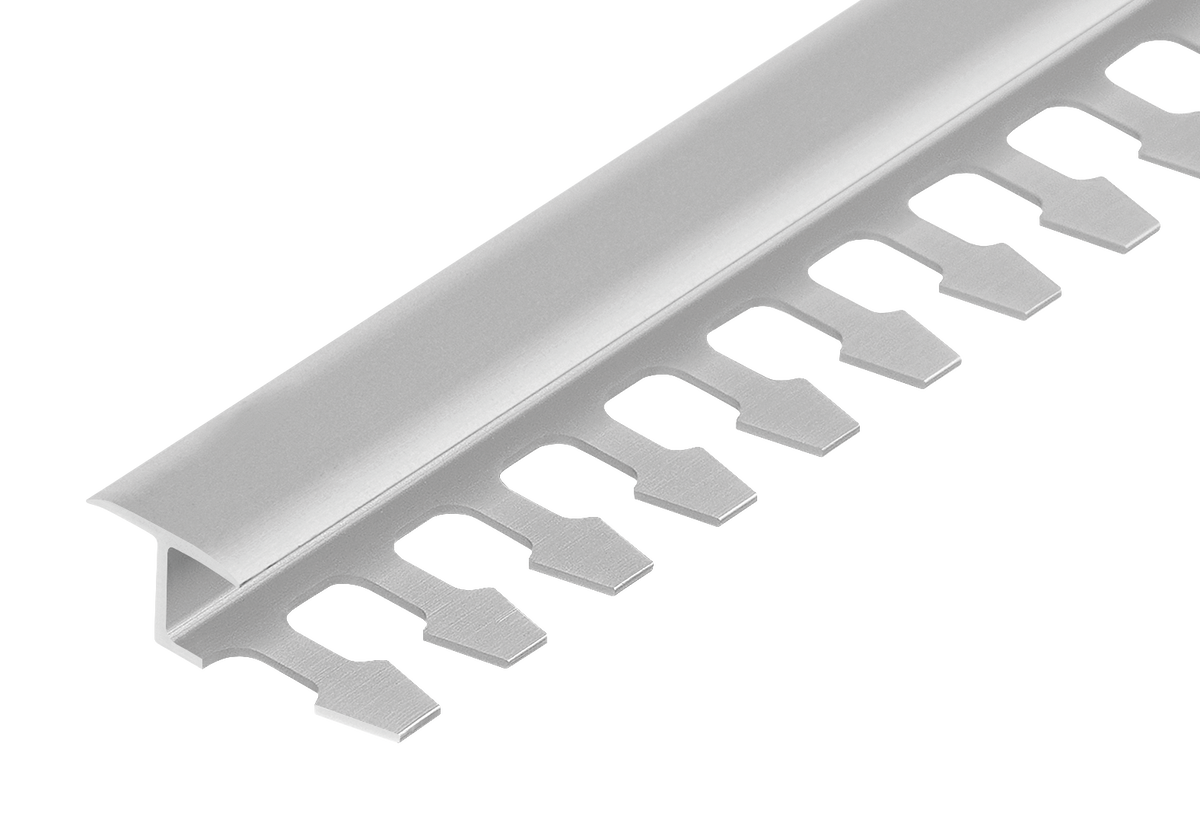
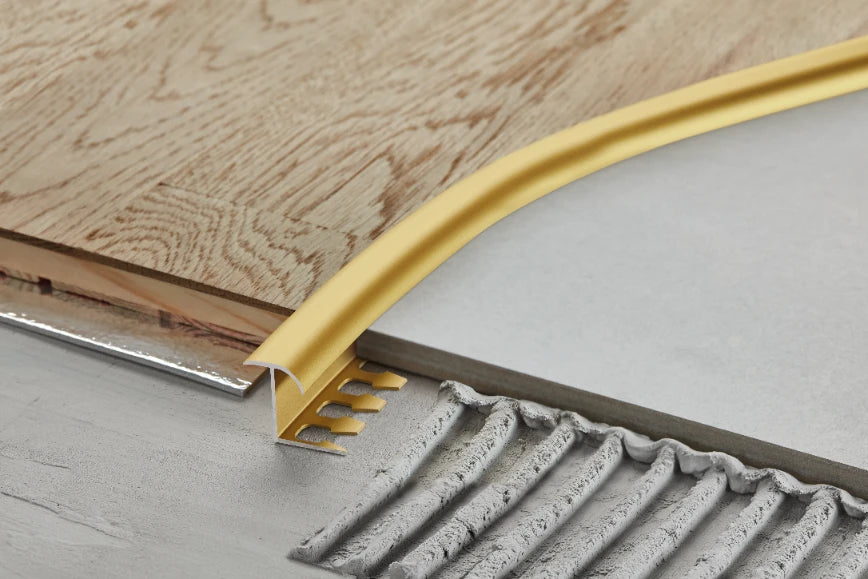
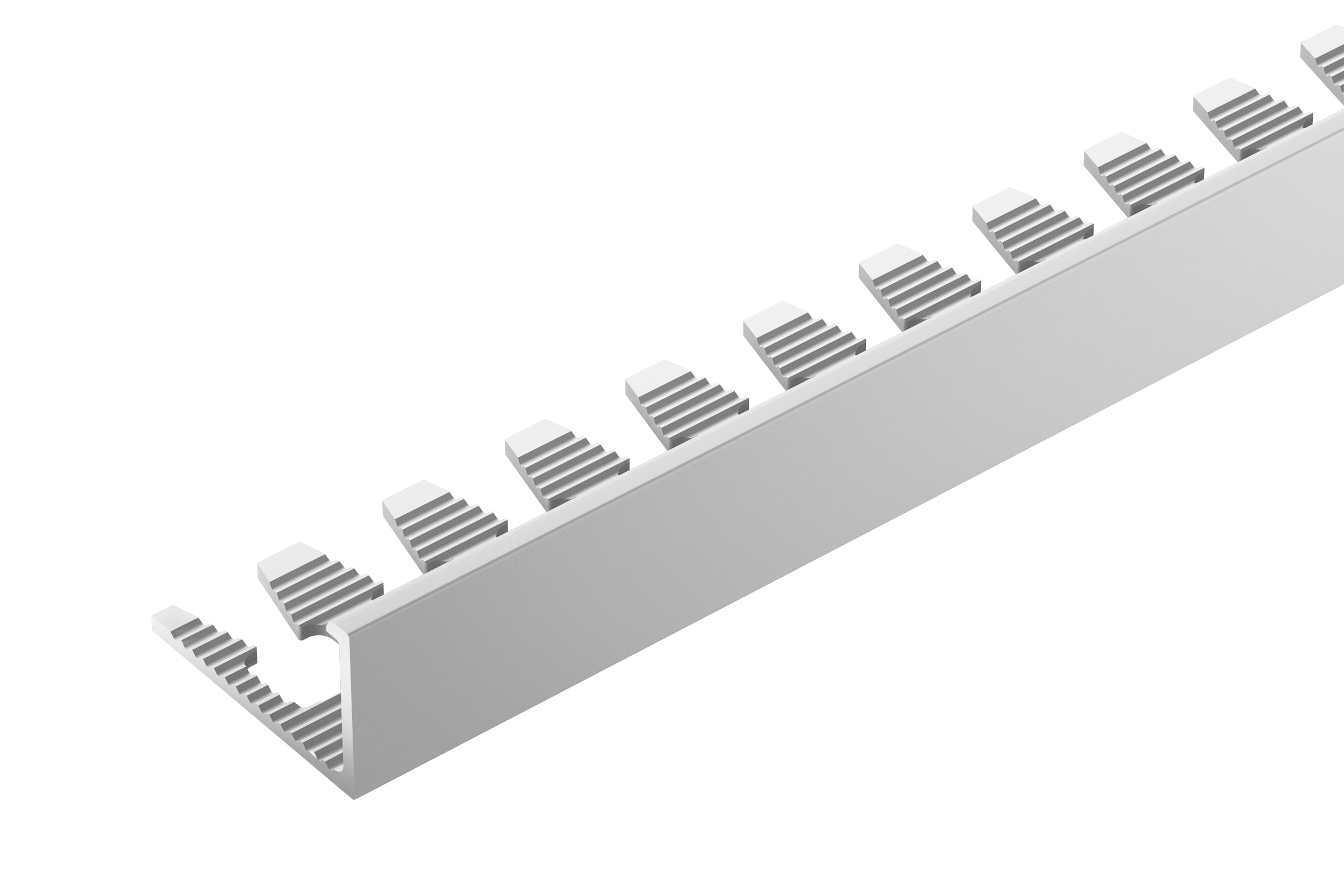
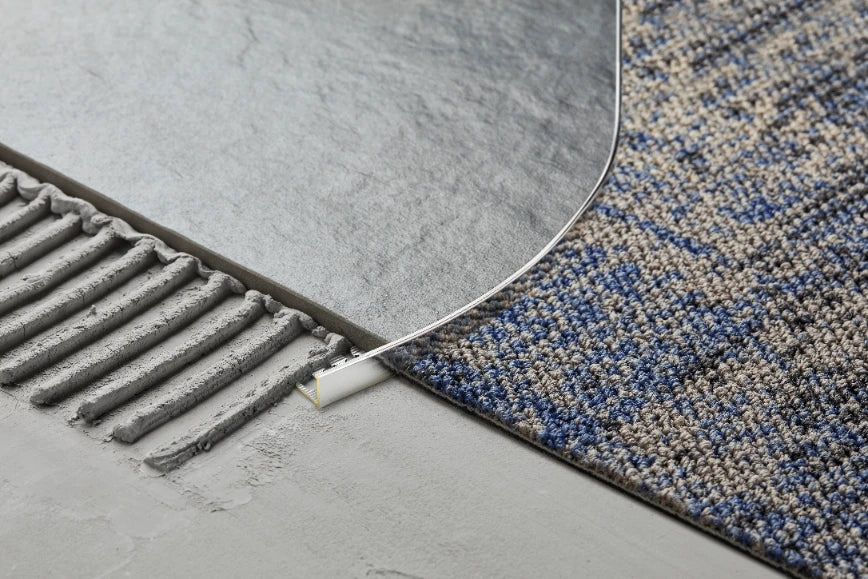
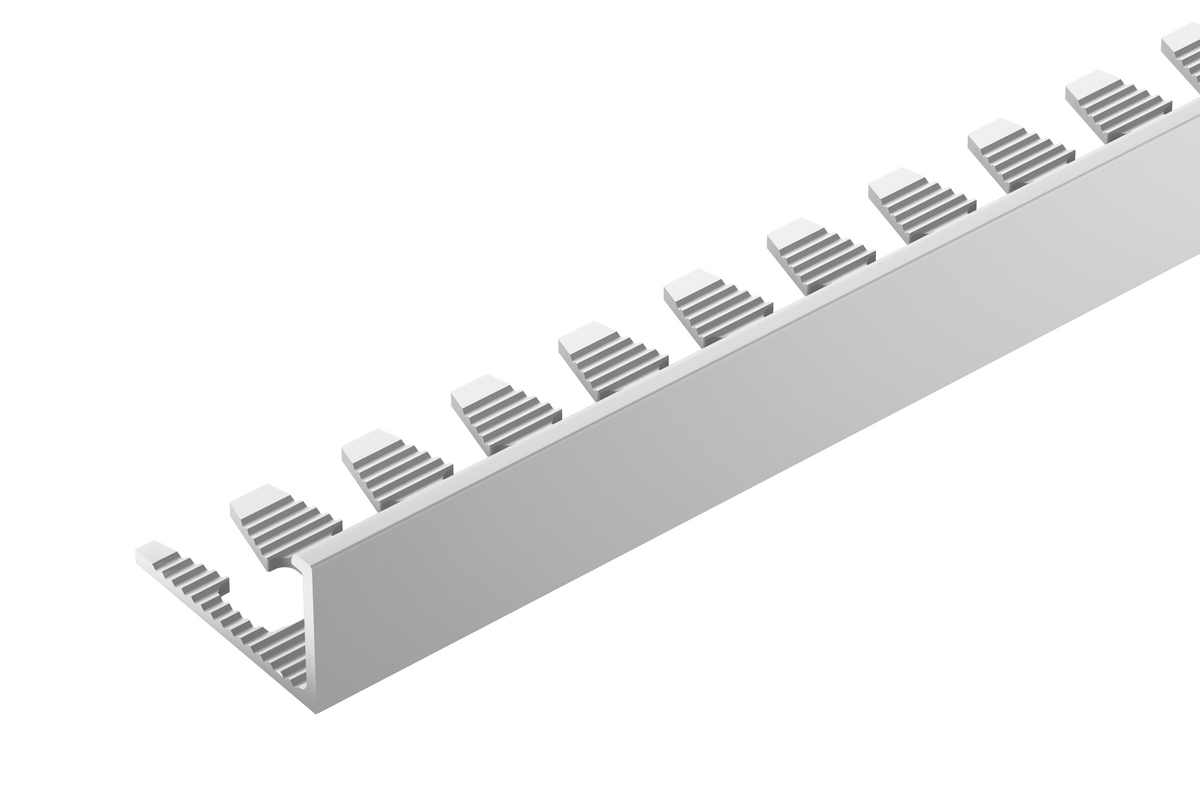
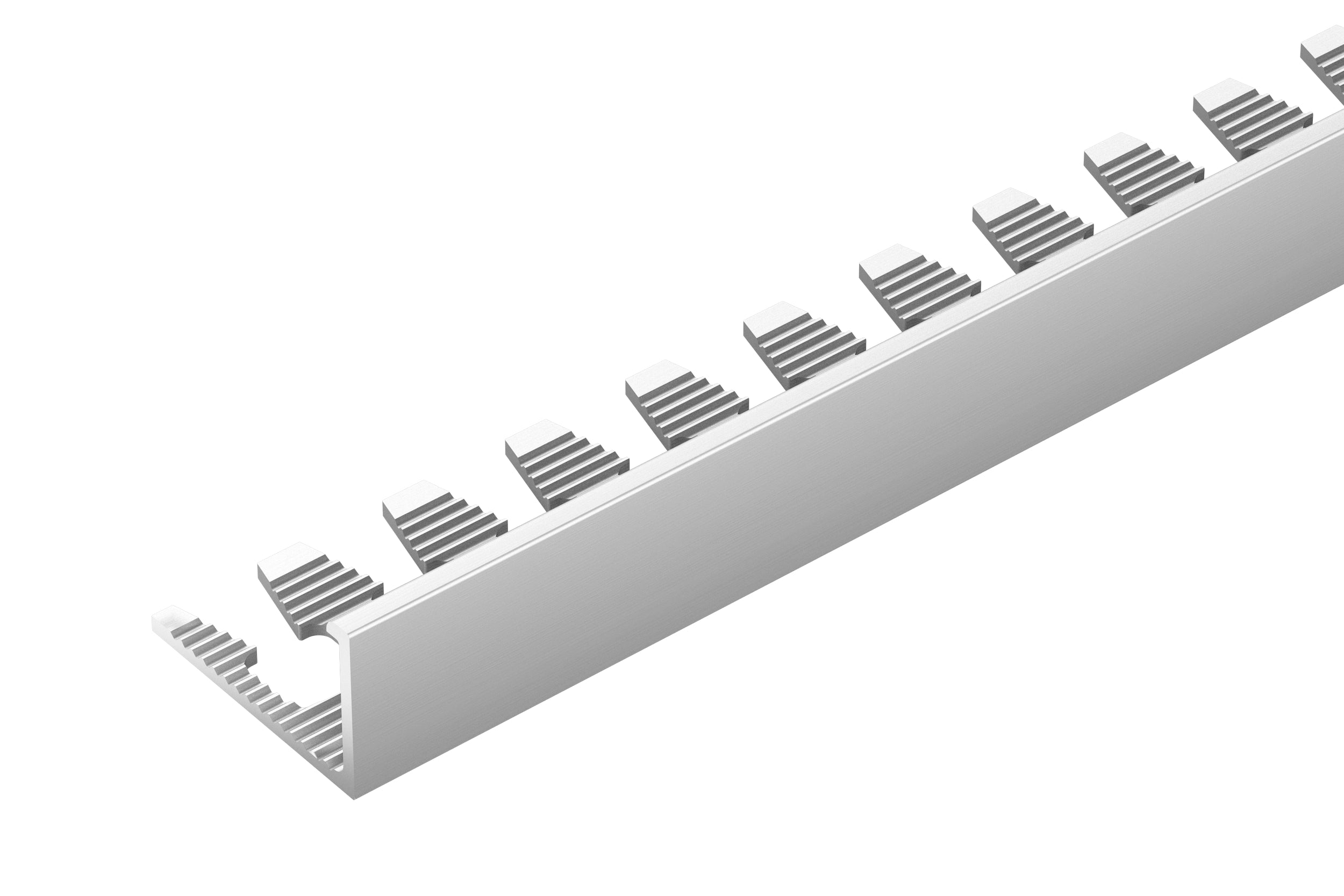
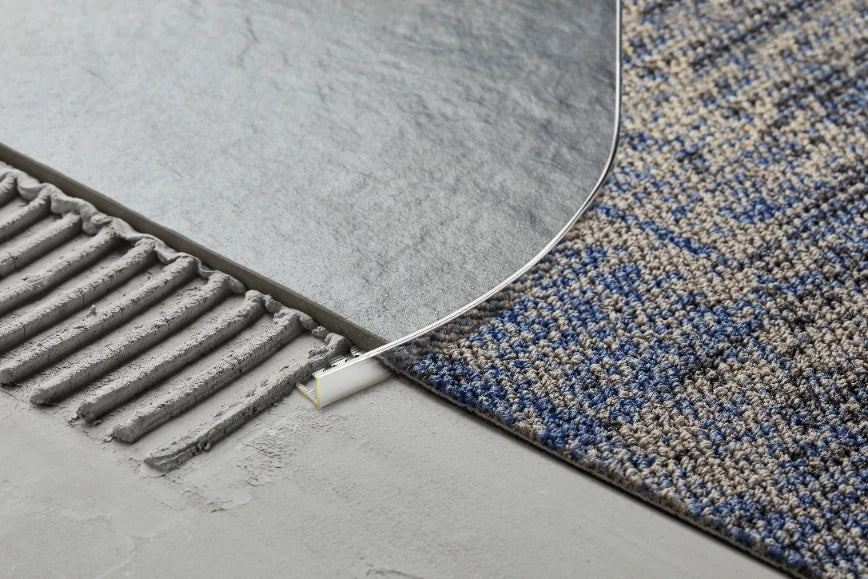
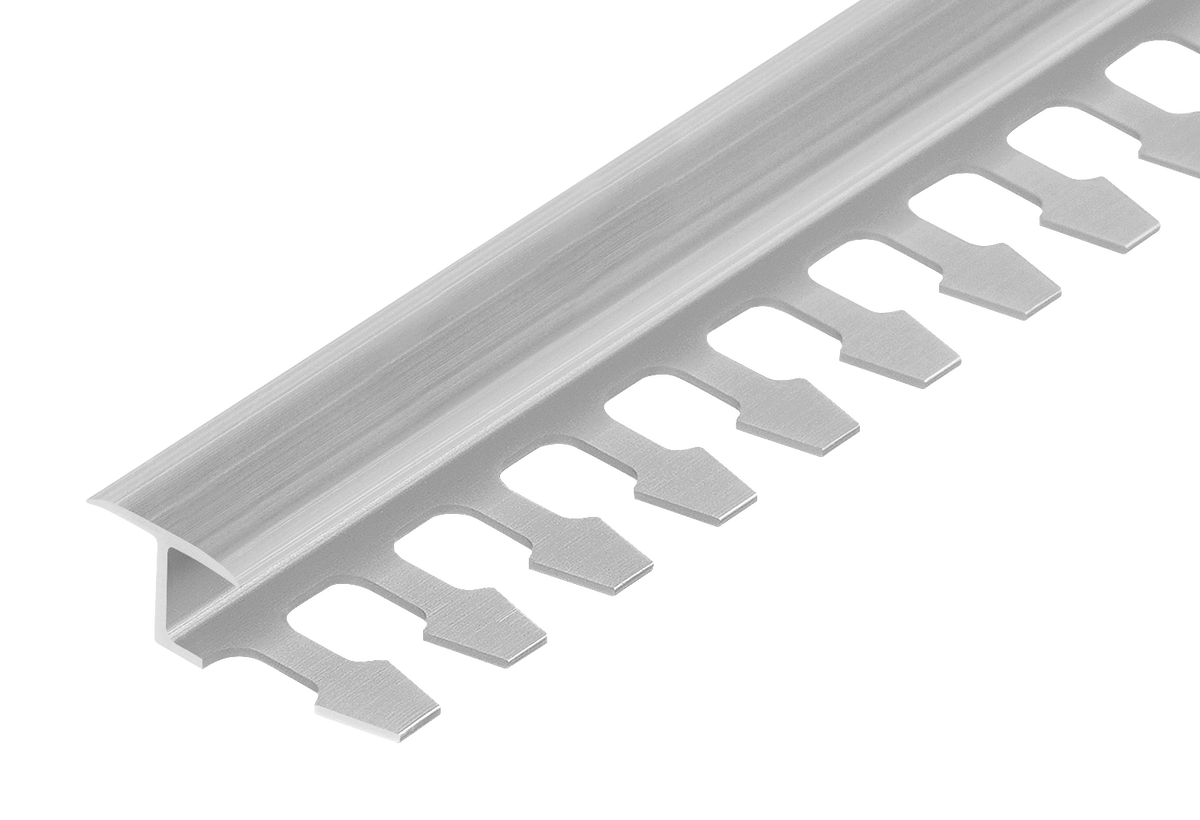
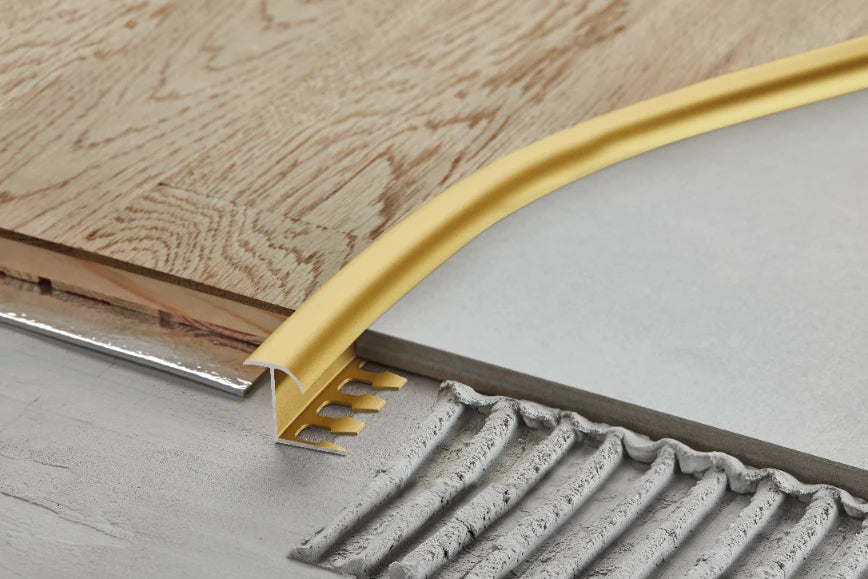
Arch profiles for tiles are flexible strips made of aluminum or brass, which allow for aesthetic finishing and protection of tile edges on rounded surfaces. With their help, you can smoothly lay tiles on arches, columns, or oval countertops. Flexible edge trims effectively protect the edges from damage, conceal any irregularities, and allow for free movement of floors. By using corner profiles for arches, you can achieve an aesthetic surface finish without time-consuming and complicated tile processing.
In our store, you can also buy corner profiles for tiles in many fashionable color versions.
Curved profiles for tiles – corner, edge, and expansion joints
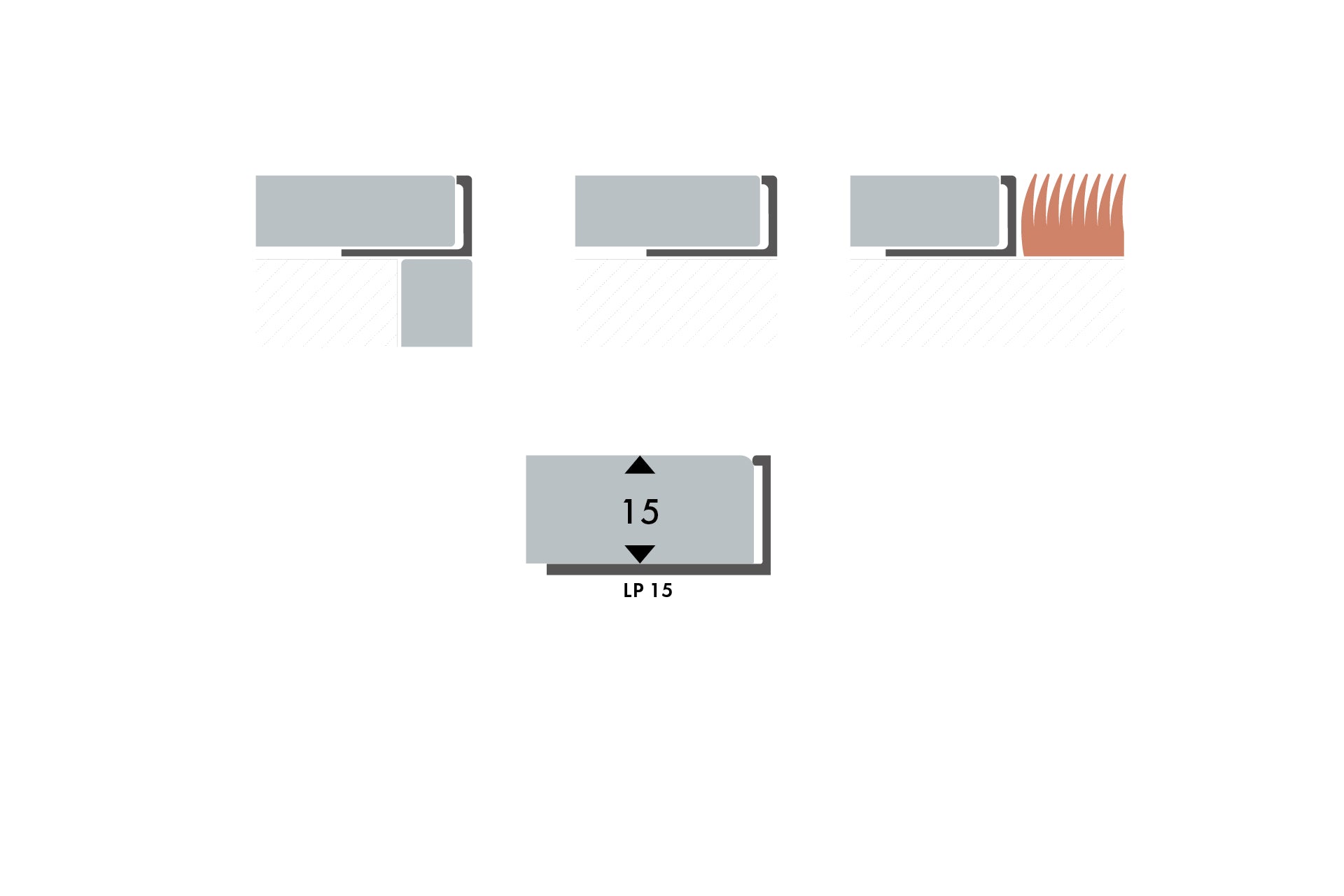
Modern curved profiles for tiles are divided into corner, edge, and expansion joint models. A corner arch profile is used to protect and finish external or internal corners of walls arranged in an arch. It protects tile edges from damage and conceals uneven cuts.
An oval edge profile for an arch is mainly used at the ends of ceramic surfaces, where the tile does not connect with another tile at an angle, but transitions into a different material or ends at a wall. The rounded shape provides a safe, smooth, and elegant edge finish.
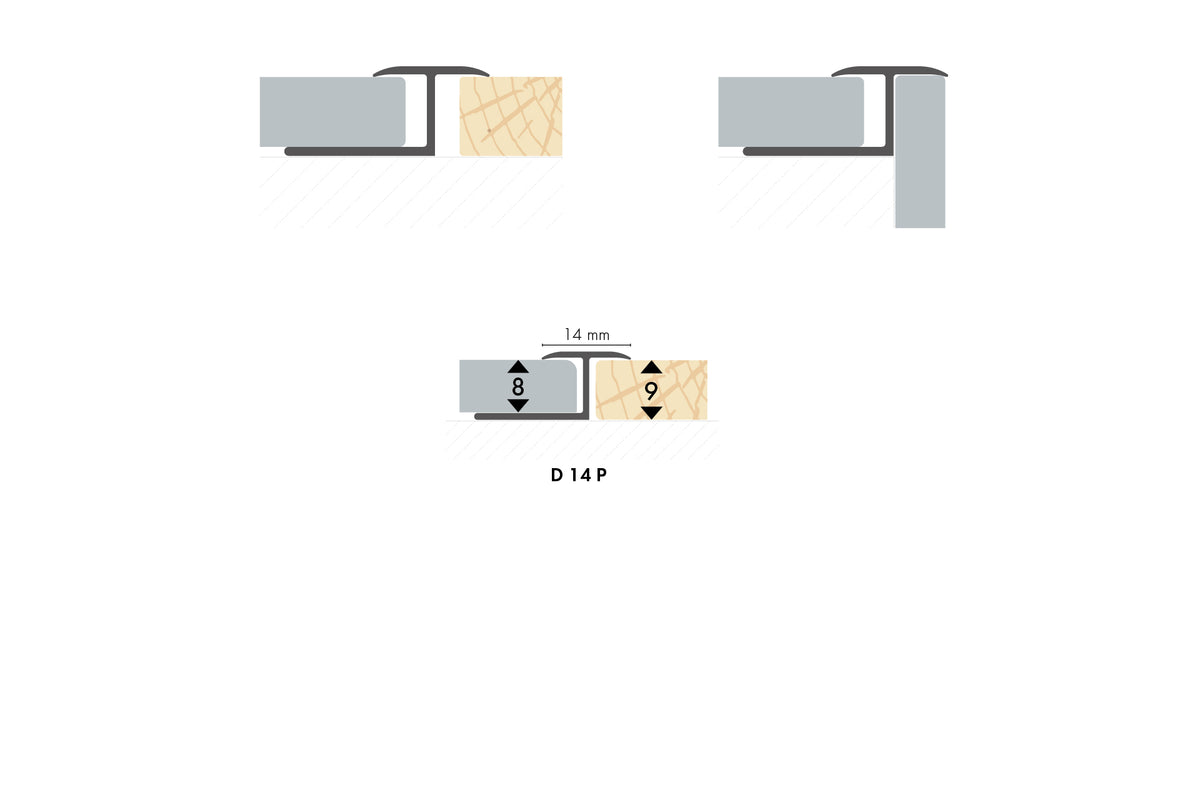
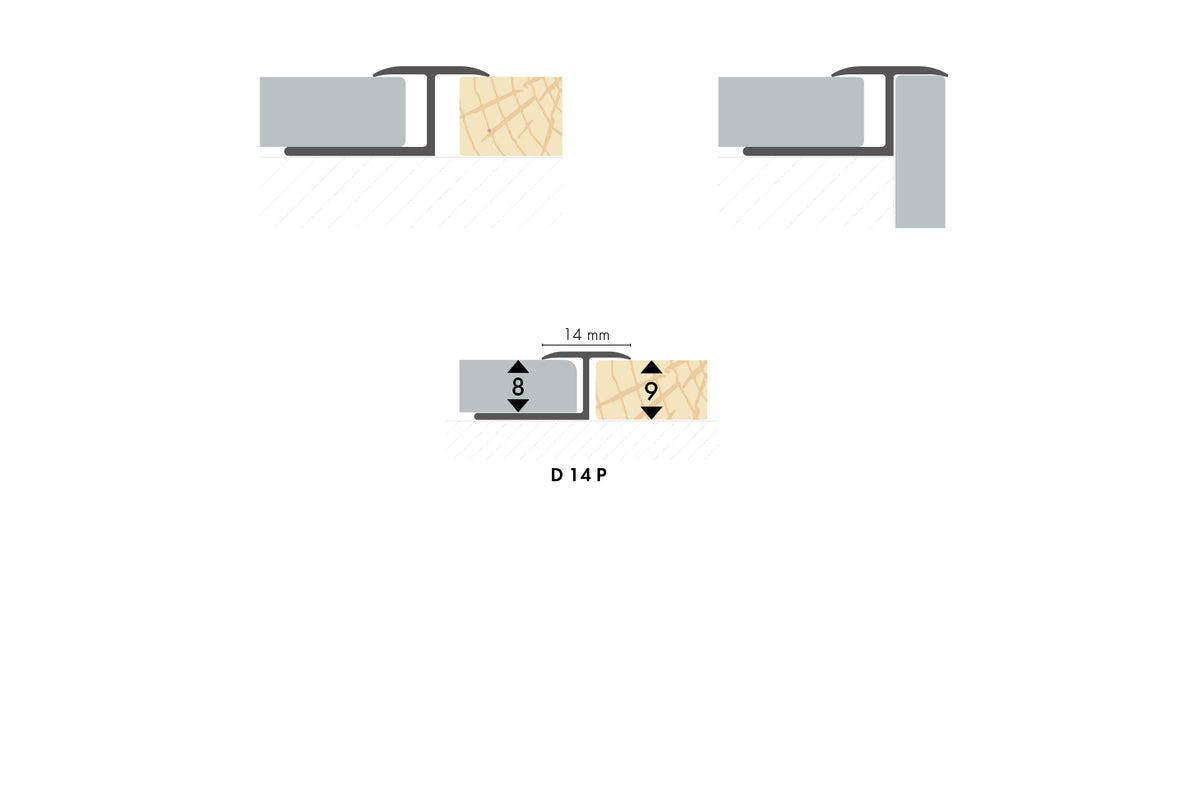
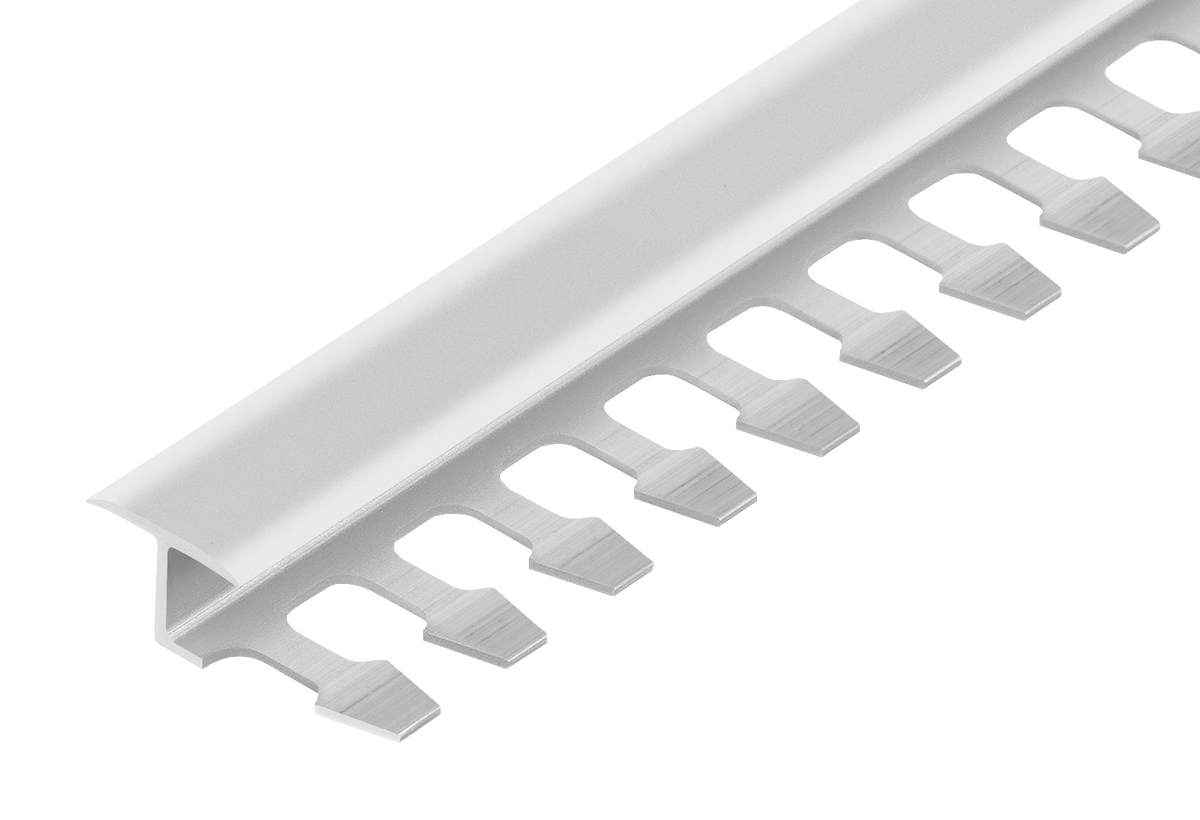
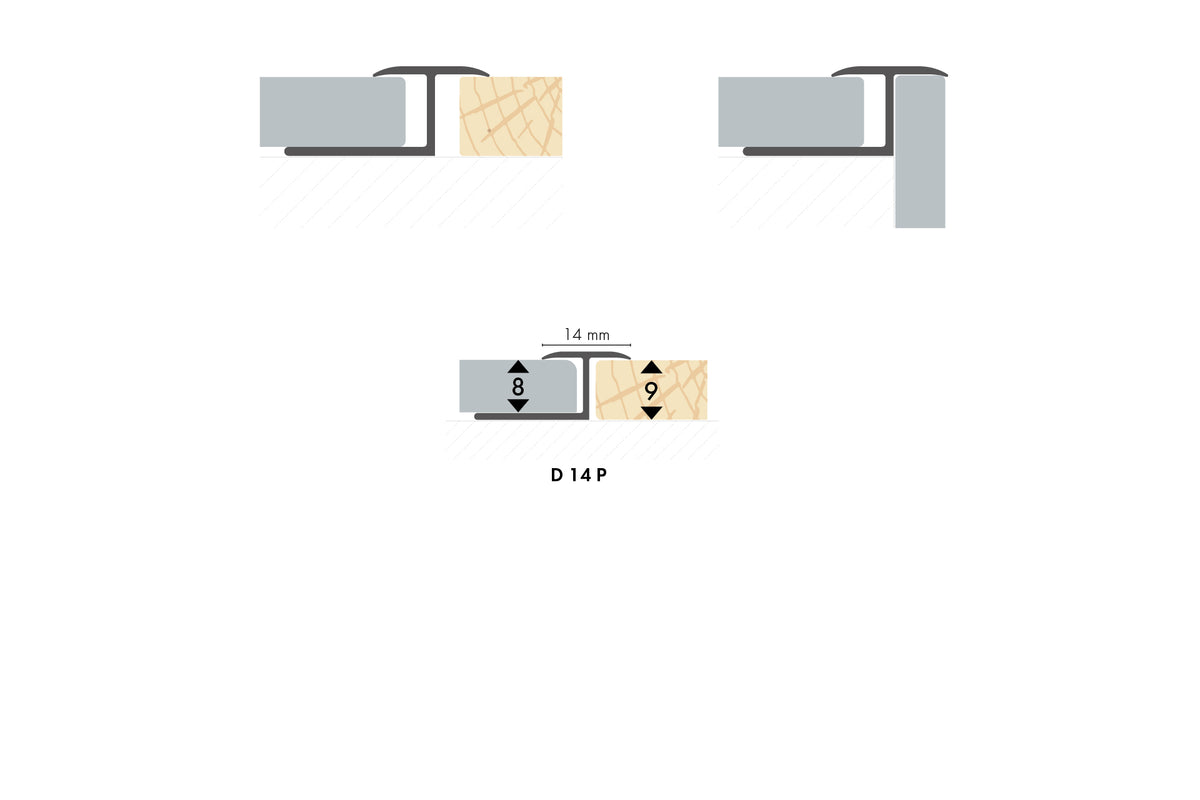
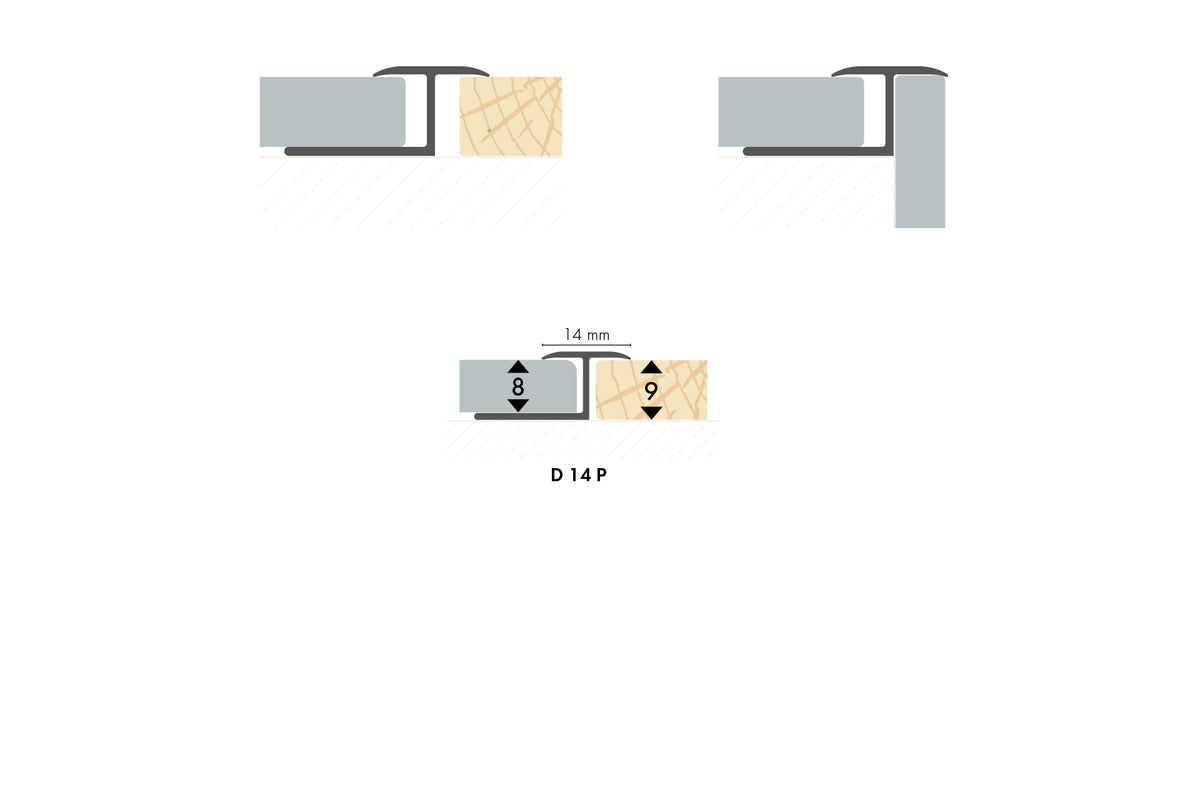
An expansion joint profile for an arch, in turn, eliminates stresses arising in places where the ceramic substrate expands and contracts due to temperature or building use. The use of such finishing elements reduces the risk of cracking tiles and grout.
The table below presents the most important differences between individual types of arch profiles and their example applications.
|
Profile Type |
Tile Thickness |
Typical Application |
|
Corner |
6-12 mm |
Arched doors, recesses, rounded wall corners |
|
Edge |
6-12 mm |
Columns, rounded countertops, semicircular decorative elements |
|
Expansion joint |
8-15 mm |
Archways, larger floor and wall covering areas. |
Aluminum or brass arch profile – which to choose?
Both tile profiles for arches made of aluminum and brass are perfect for finishing rounded surfaces. When choosing the right solution, consider the style of the arrangement and the intensity of use of a given surface.
Aluminum arch profiles are lightweight, corrosion-resistant, and available in many finish variants. Our assortment includes high-quality models made of EN AW-6063 alloy, which stands out for its optimal mechanical properties and very good bending susceptibility, which is crucial when finishing arches in homes and apartments.
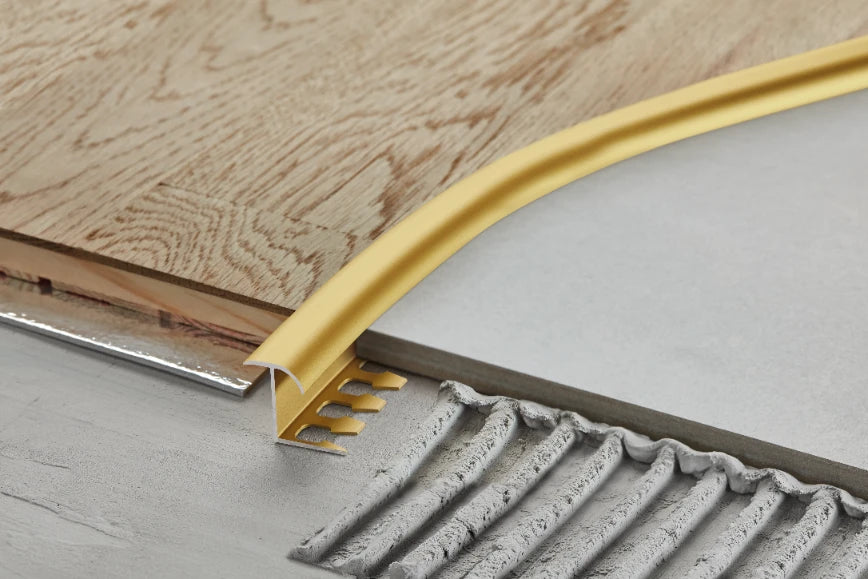
Brass arch profiles, in turn, are valued for their exceptional durability, elegant appearance, and high resistance to damage. This is a recommended choice for exclusive interior arrangements and wherever an attractive visual effect and maximum durability are a priority. A brass arch finishing strip can be used, for example, in a customer waiting room, office, hotel, or stylish boutique.
How much does an arch profile for tiles cost?
In our store, you can buy curved profiles for tiles at very competitive prices and in various finishing styles. The least expensive are aluminum models in silver or natural raw versions. Their modern, cool look works well in contemporary interior designs. An aluminum arch profile can be combined, for example, with tiles in shades of gray, white, anthracite, or imitating marble.
More expensive are brass arch strips for tiles, which are distinguished by a warm, golden hue. Their elegant, slightly shimmering structure harmonizes well with natural stone, as well as light and wood-like tiles.
We also offer narrow and wide stair nosings, which perfectly withstand intensive use.
Check out our assortment and choose something just right for you!
FAQ – Arch profiles for tiles
Can every tile profile be bent into an arch?
Not every tile profile can be bent into an arch. Standard strips are rigid, and bending them can cause unsightly kinks, cracks, or material damage. Only specially designed curved arch profiles for tiles are used for creating curves. Such models usually feature a thinner cross-section and a more flexible core. Their special construction allows for controlled bending of the material without the risk of cracking and deformation.
What is the minimum radius of an arch that can be made with a curved profile?
For most curved tile profiles, the safe minimum arch radius is approximately 30-50 cm. The exact value depends on the strip's construction, the material used, and the bending direction. Exceeding the minimum radius specified by the manufacturer can lead to damage to the arch profile.
What is the difference between a corner, expansion joint, and edge profile for an arch?
The main difference lies in the construction of the arch strips, their function, and mounting location. Corner profiles are used vertically to connect two walls meeting at an angle. Expansion joint profiles for arches are installed on floors, e.g., in a corridor or on a terrace. They allow for free movement of floors and eliminate stresses. Edge profiles for arches, on the other hand, are the most versatile and are used for an aesthetic finish of a single tile surface.
What do you use to cut and bend an arch profile for tiles?
Arch tile finishes can be trimmed and bent using a hand hacksaw, a miter saw with an appropriate blade, or shears for thin profiles. Arch forming is most often done using a special roll bending machine for profiles. To achieve gentle curves, you can also opt for gradual manual bending of the arch strip on a pre-prepared template.
How to install an arch strip for tiles?
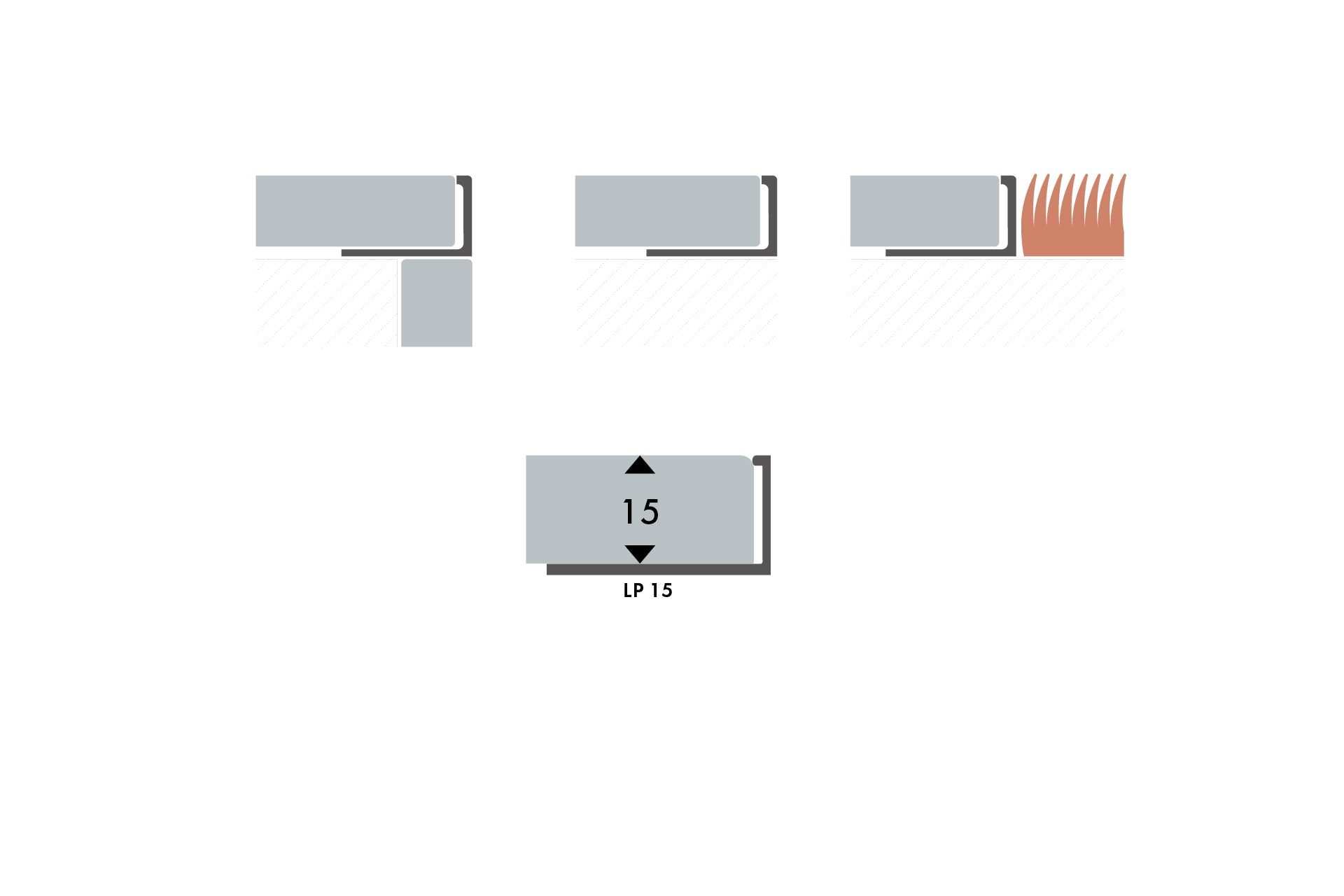
Arch tile profiles are installed using the under-tile method during tile laying. The strip is embedded in the adhesive layer, its perforated arm is completely covered with mortar and tile. Then, the aluminum or brass arch profile is adjusted to the curve of the arch, and subsequent cladding elements are laid, maintaining the appropriate joint width. Such a solution ensures a durable and aesthetic connection with the substrate.