


New collection
Earth Line Skirting Boards







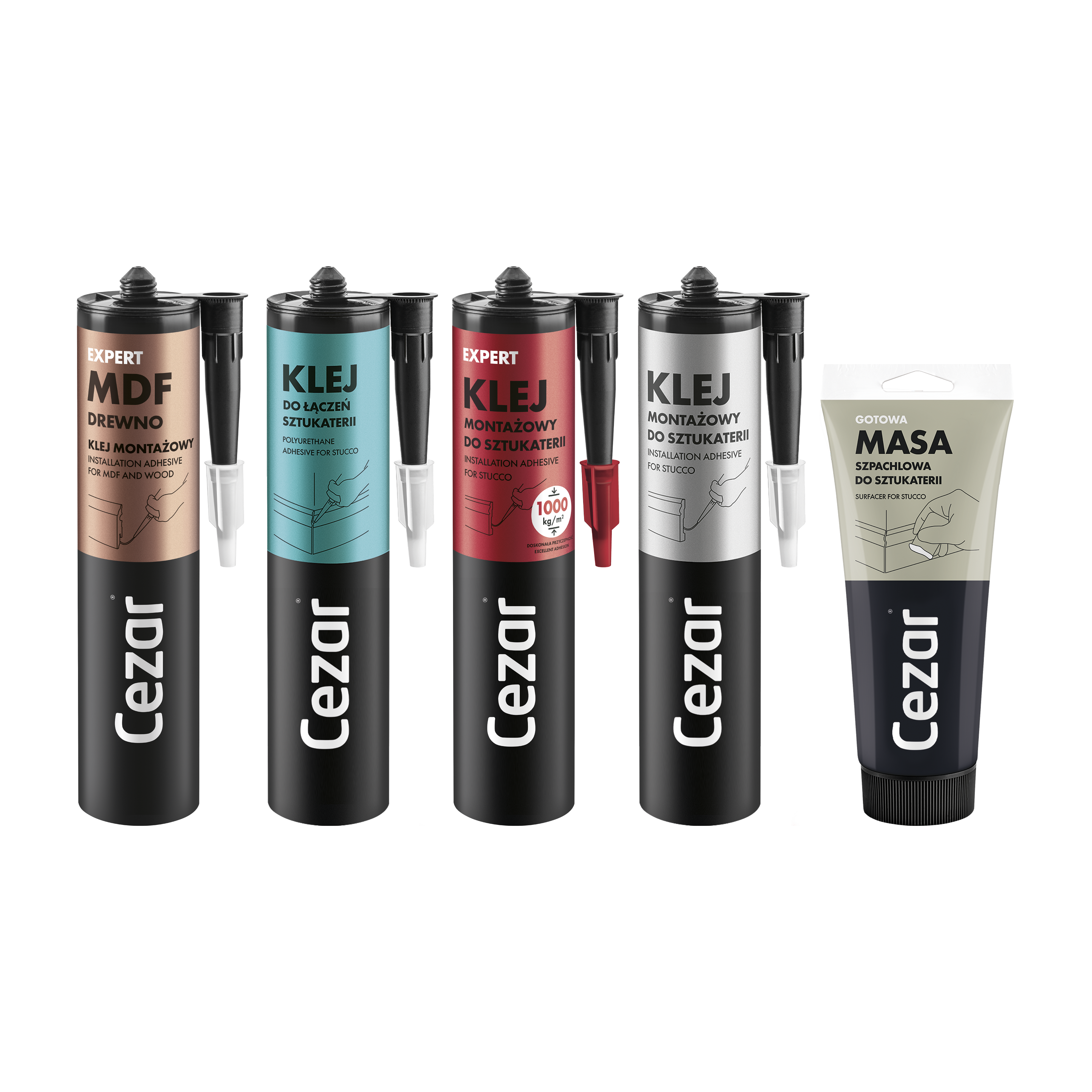
Buy assembly adhesives
Buy original accessories




LED PROFILE







ALUMINUM OR STAINLESS STEEL


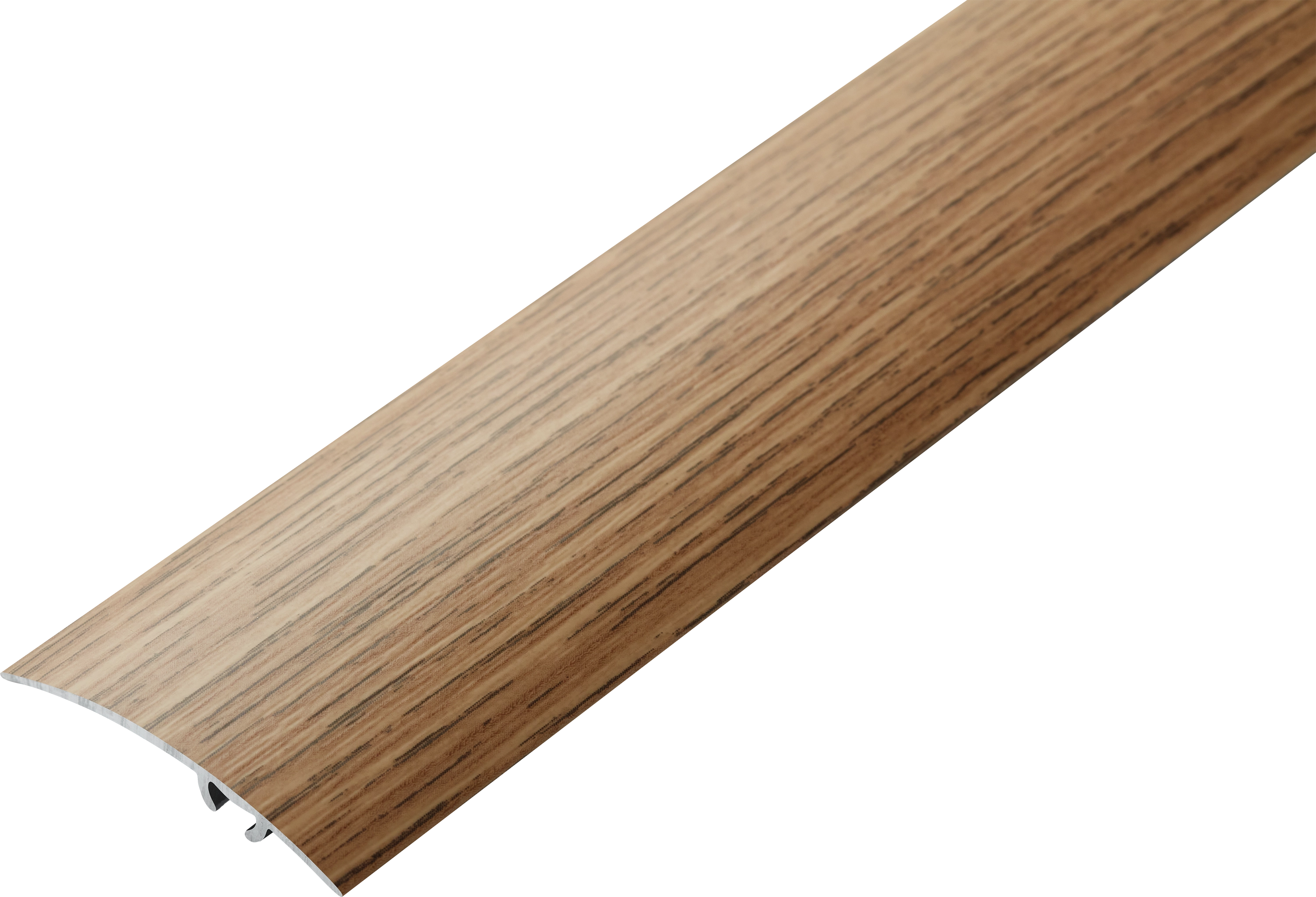
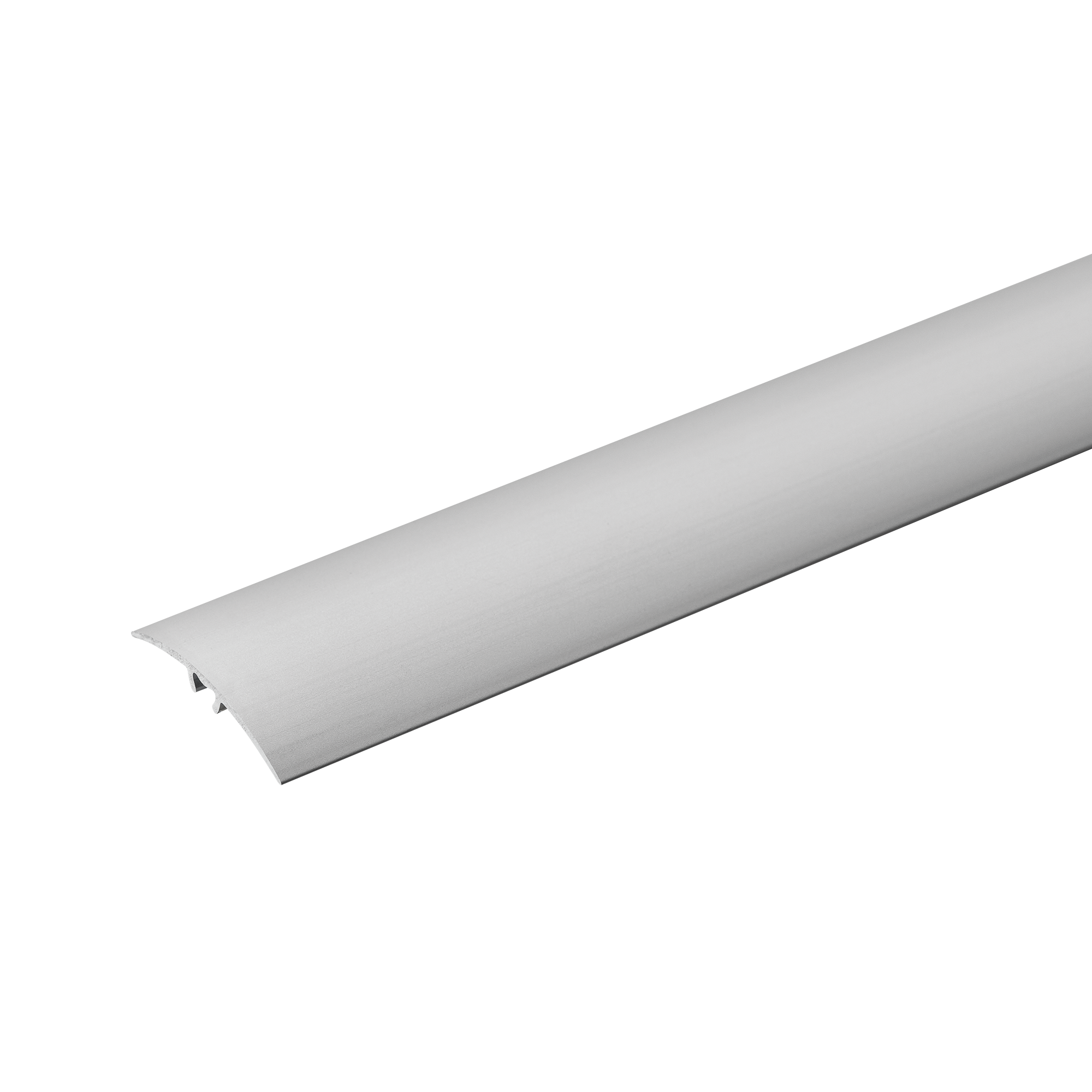


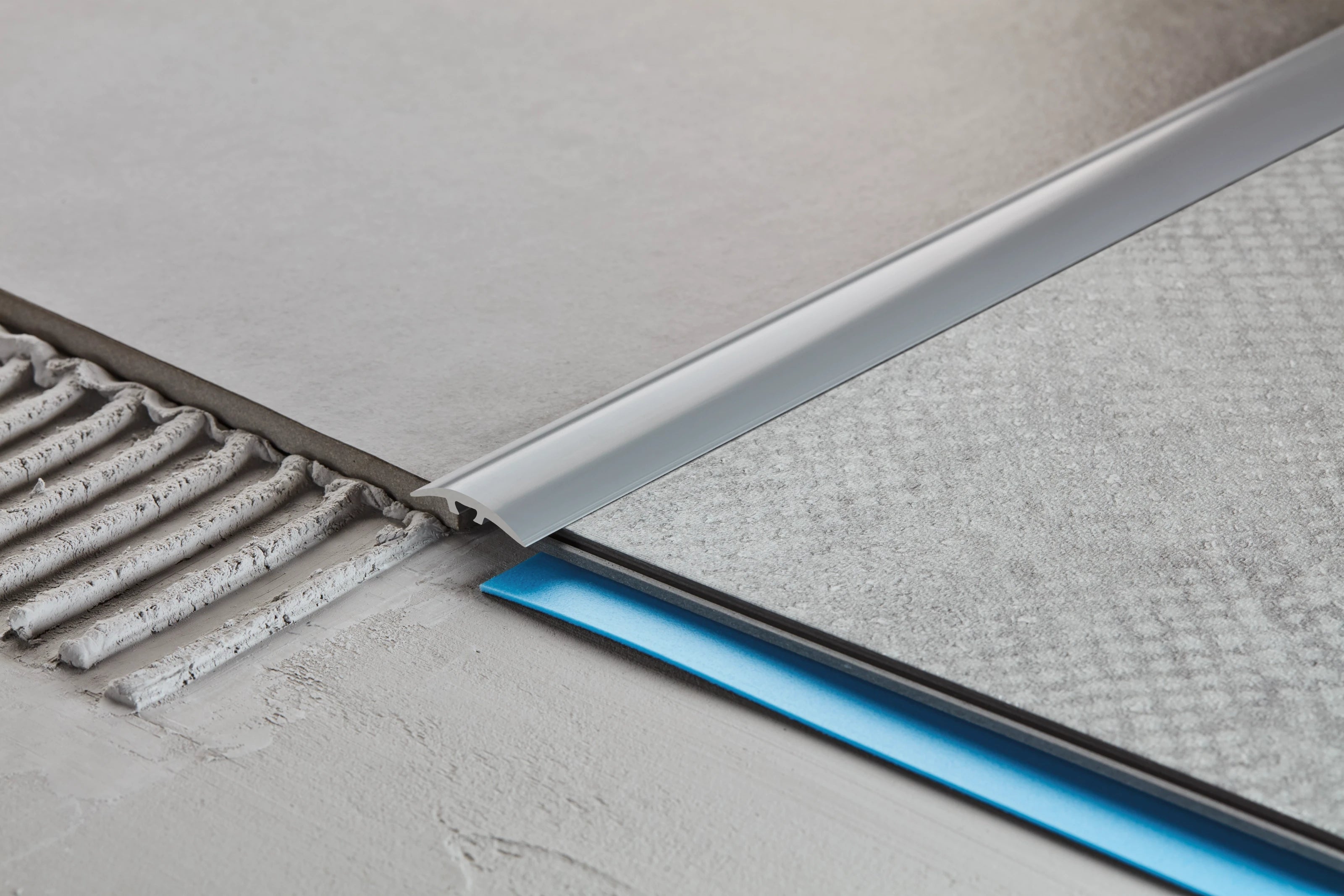




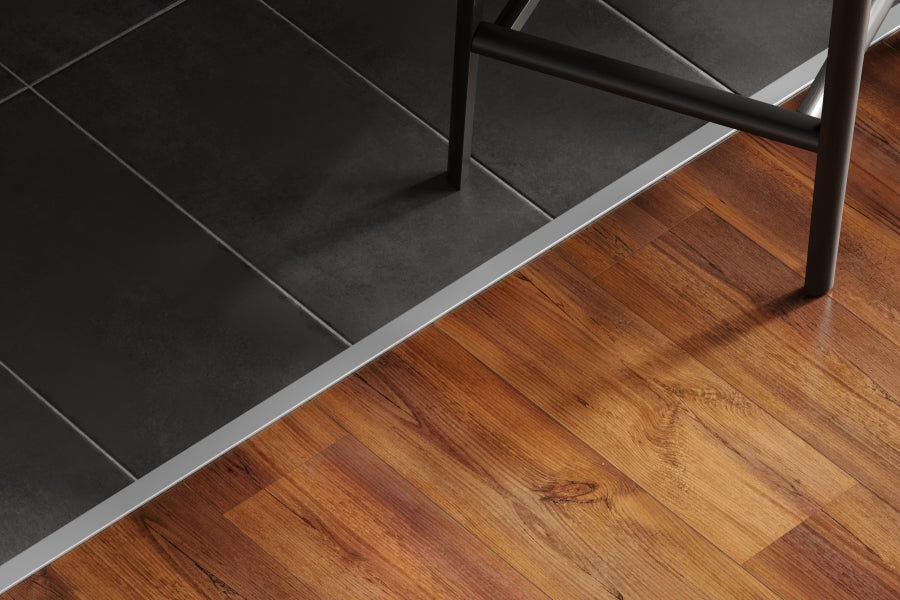
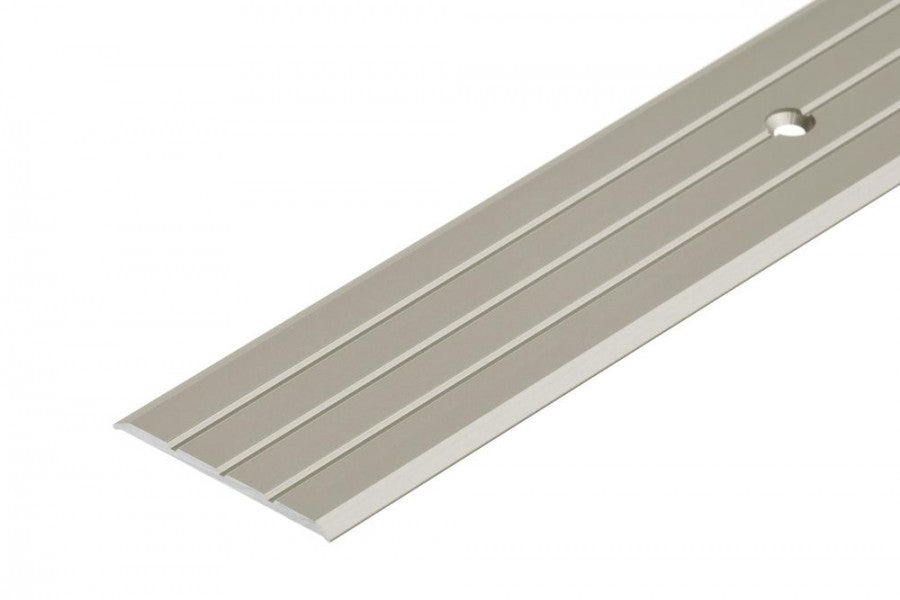
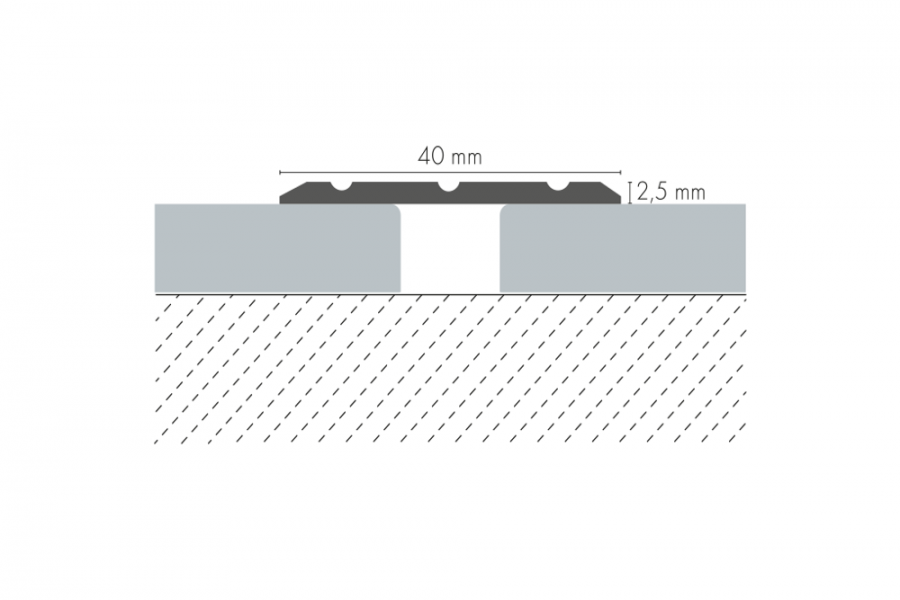
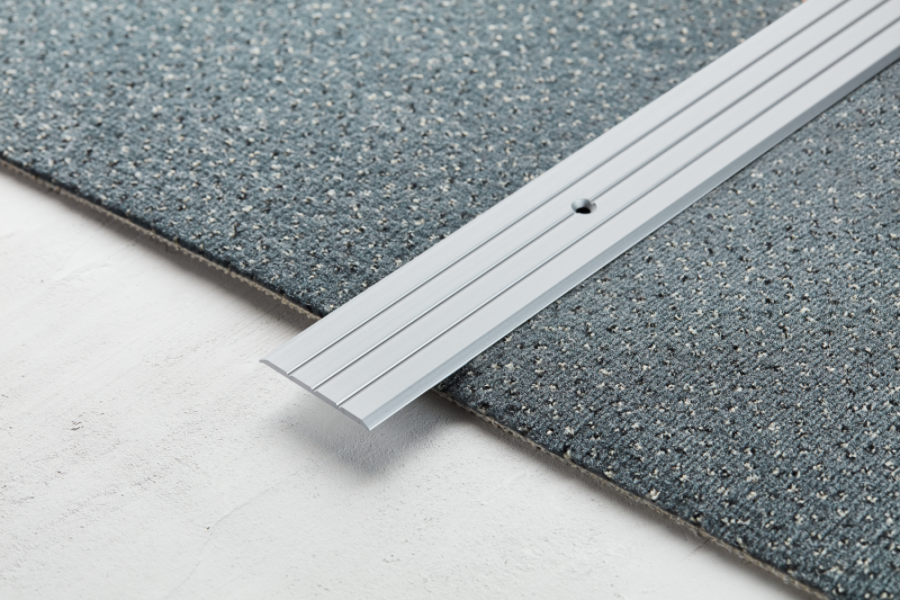
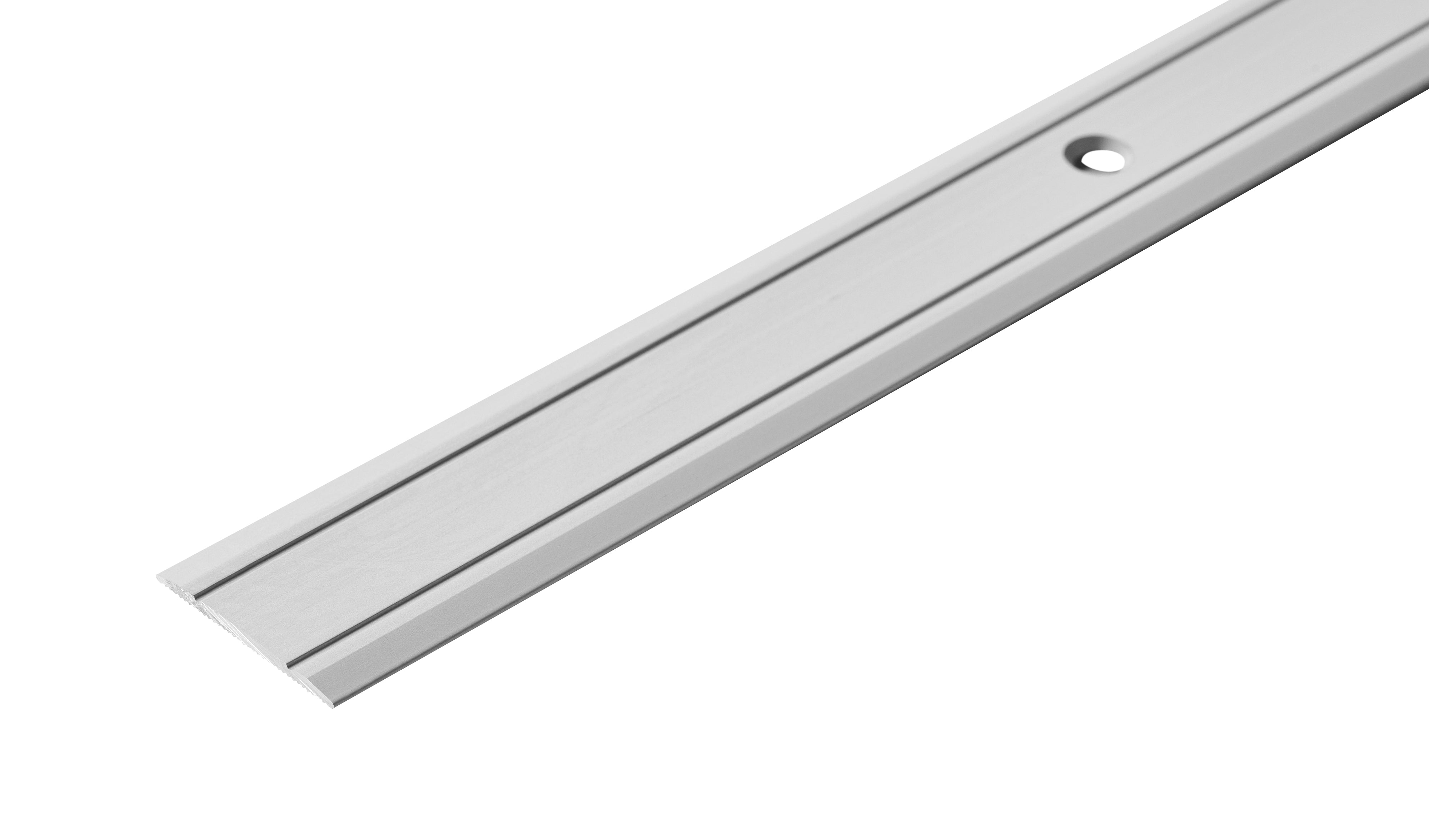
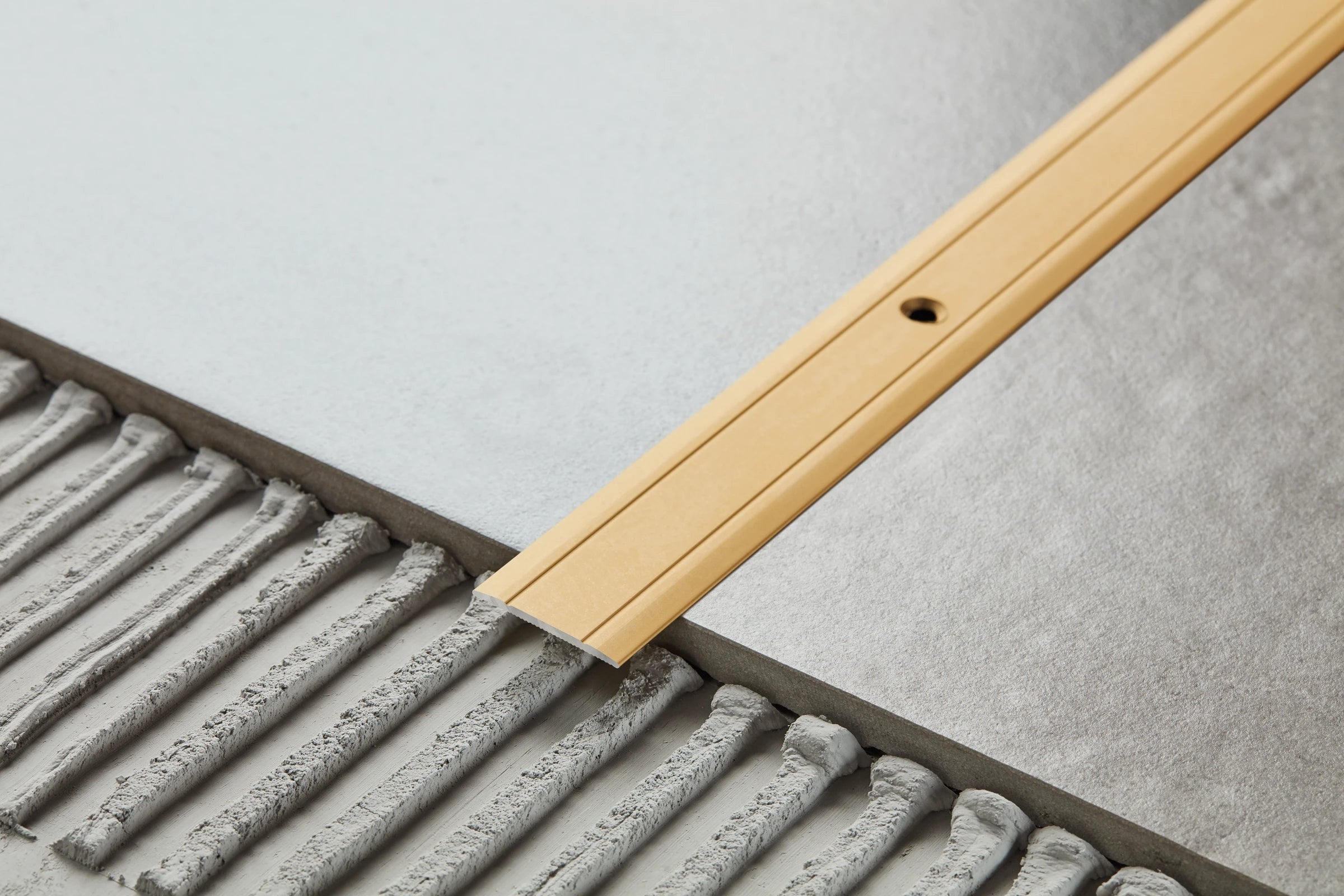

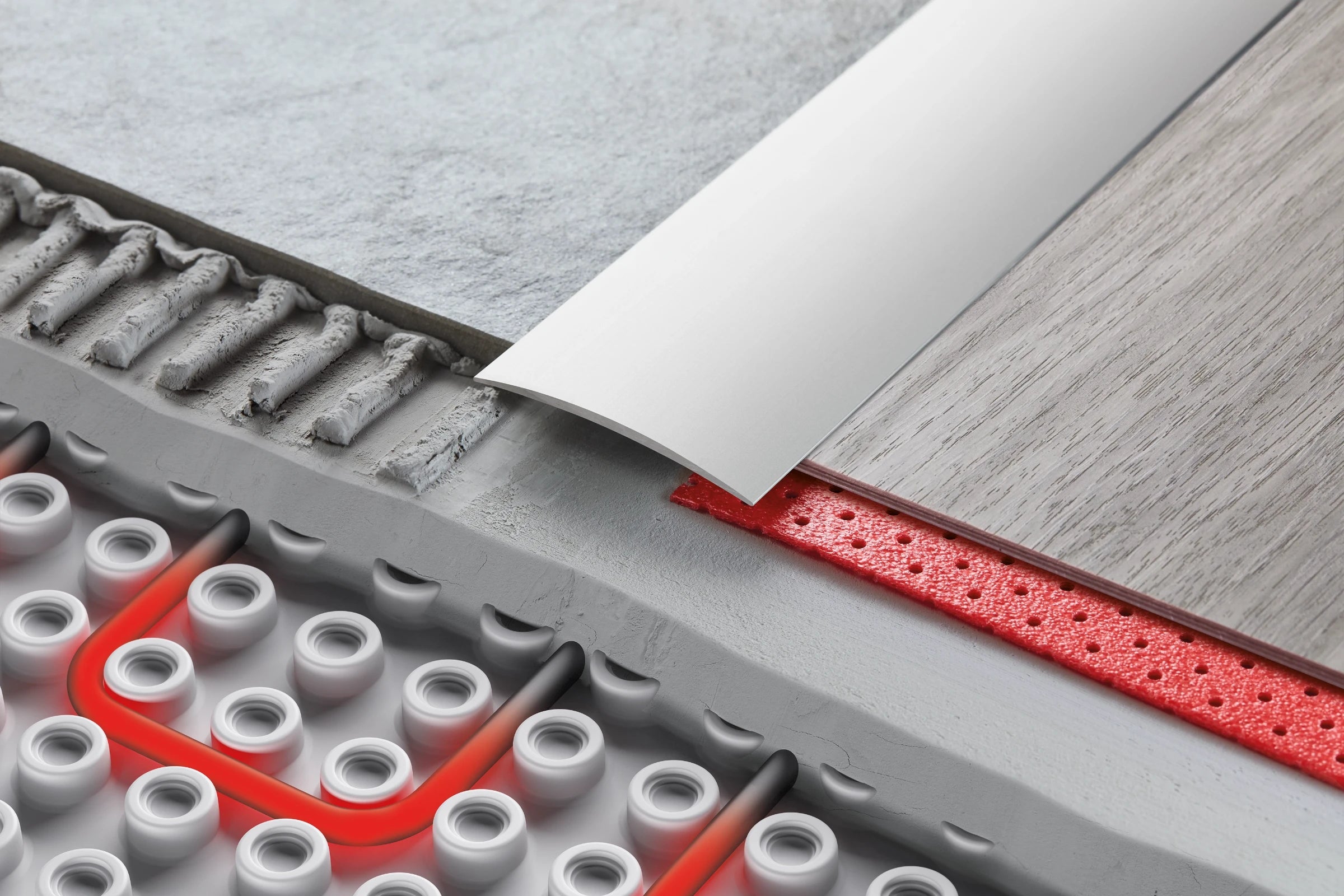
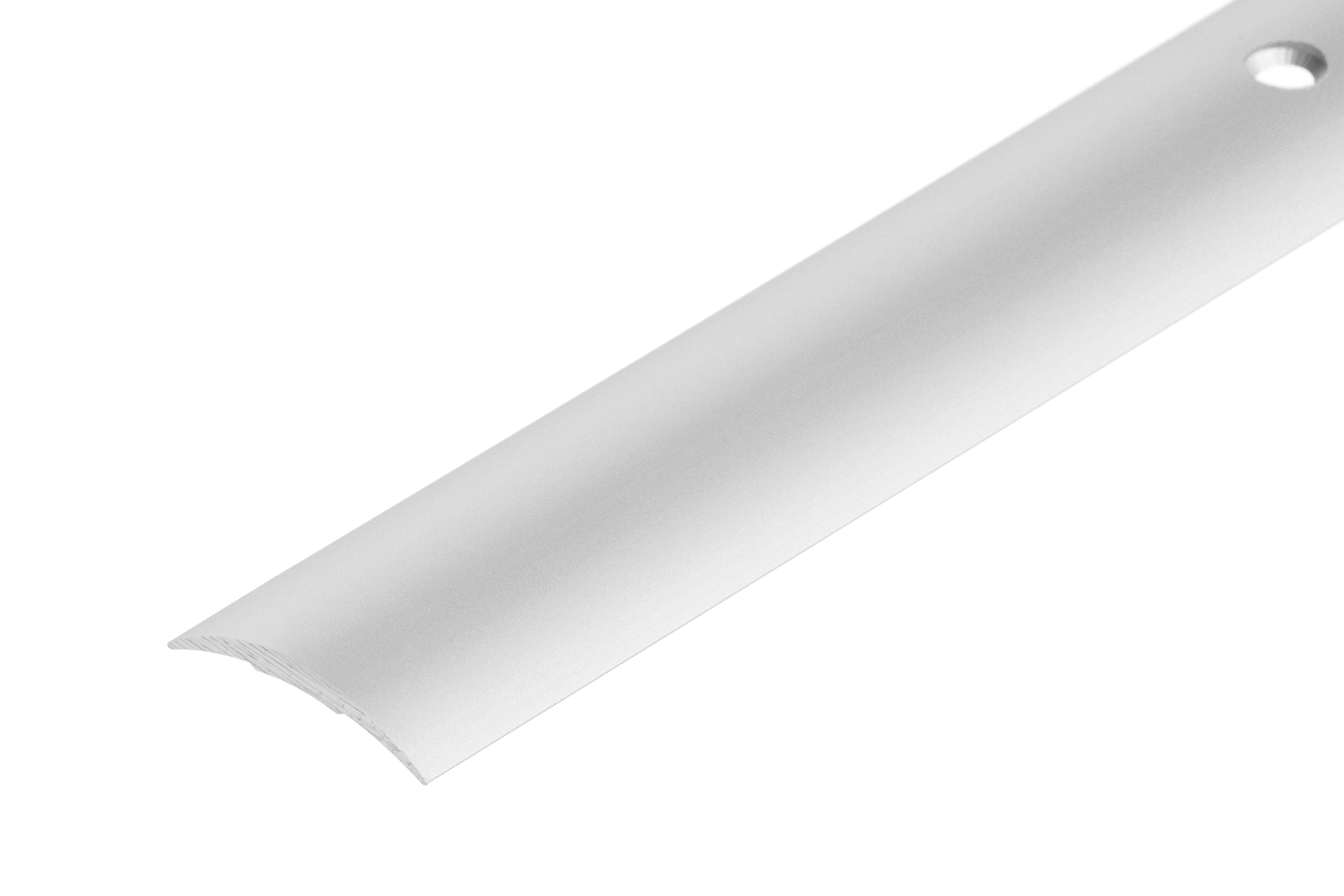
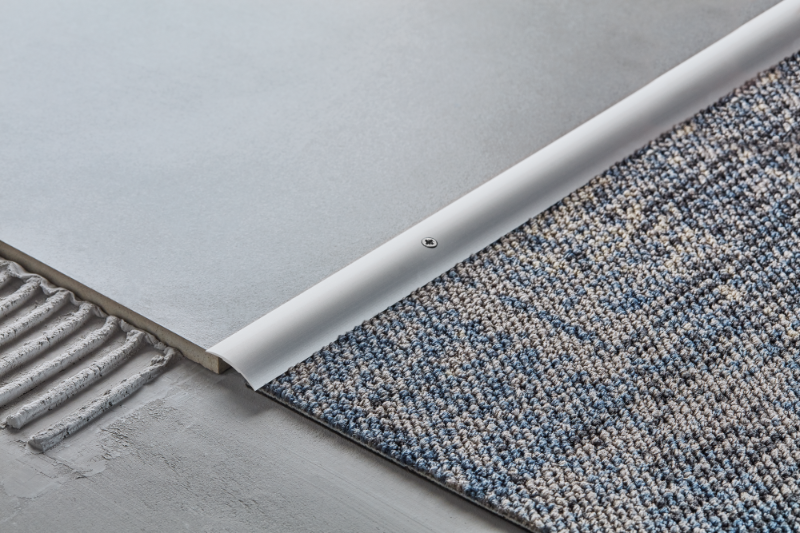
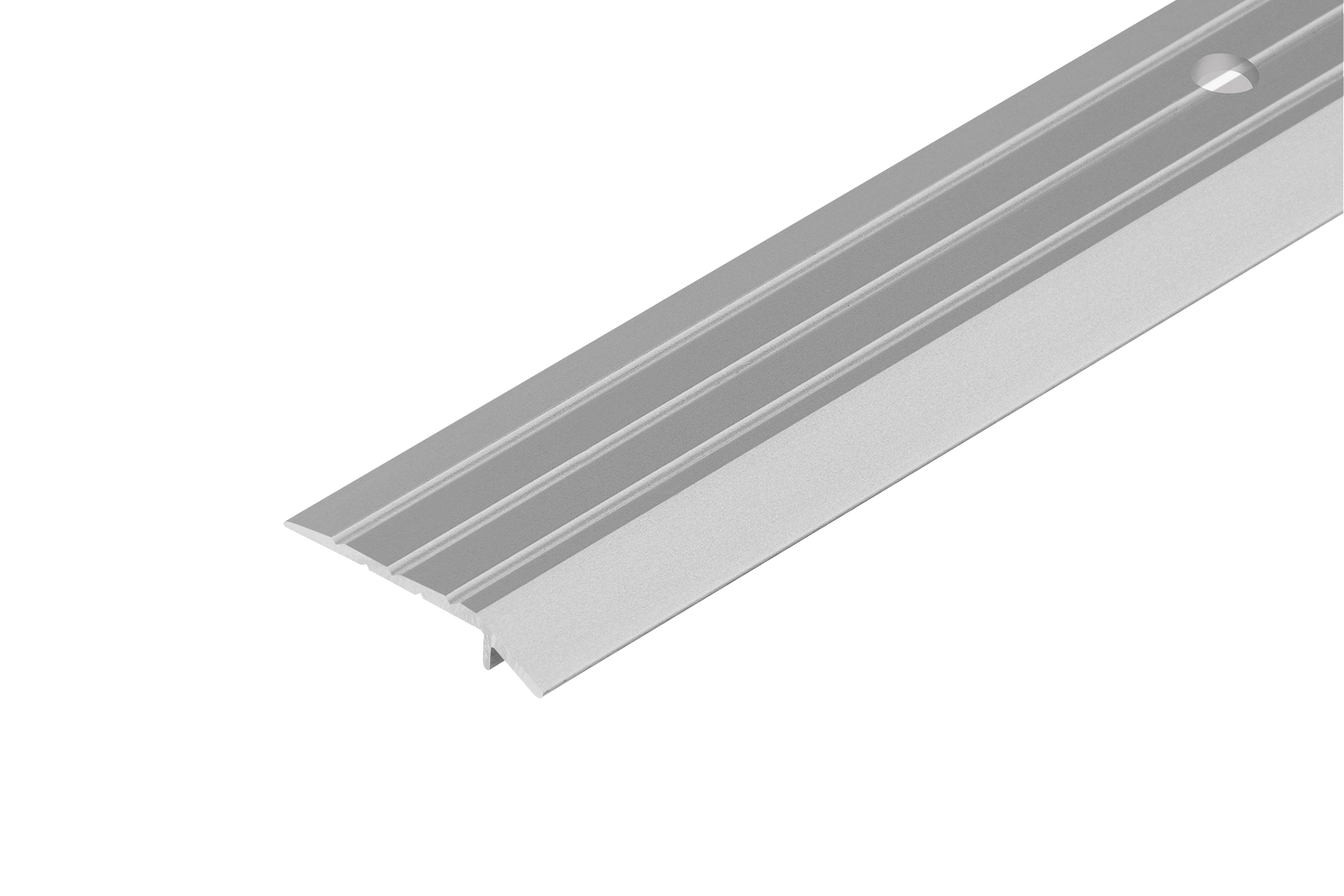
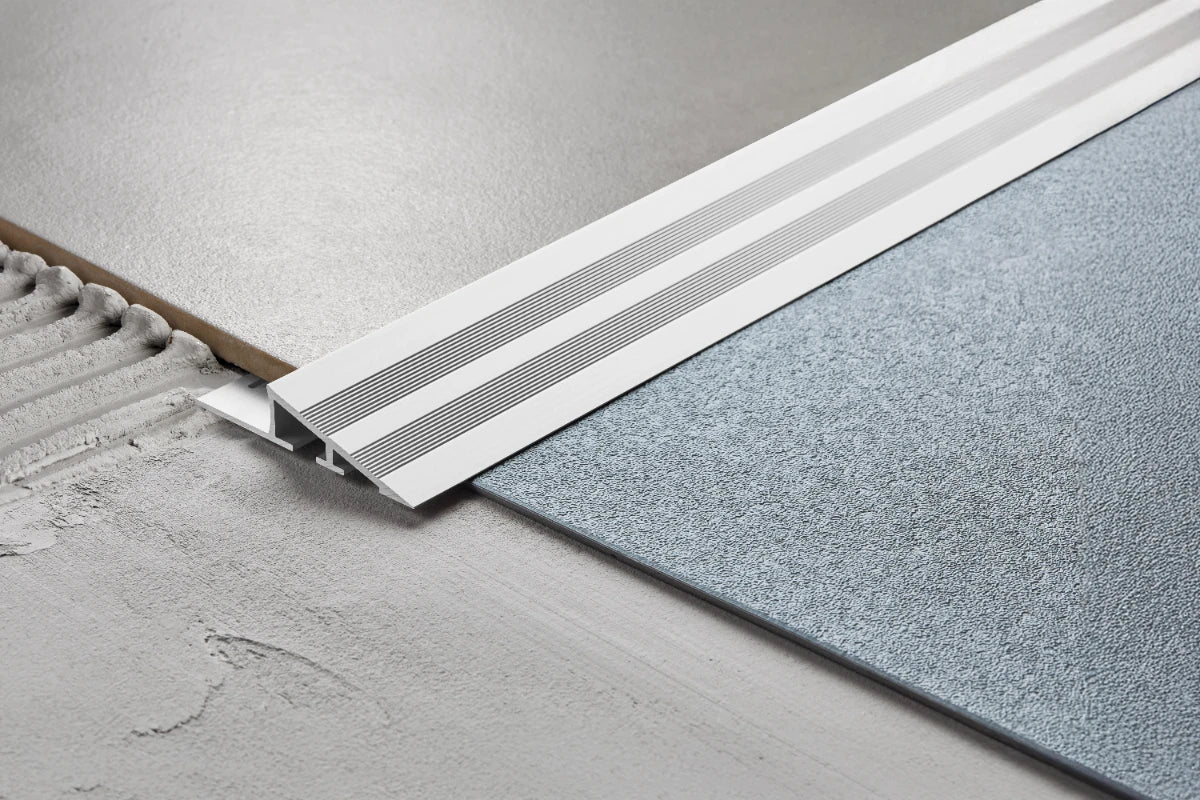
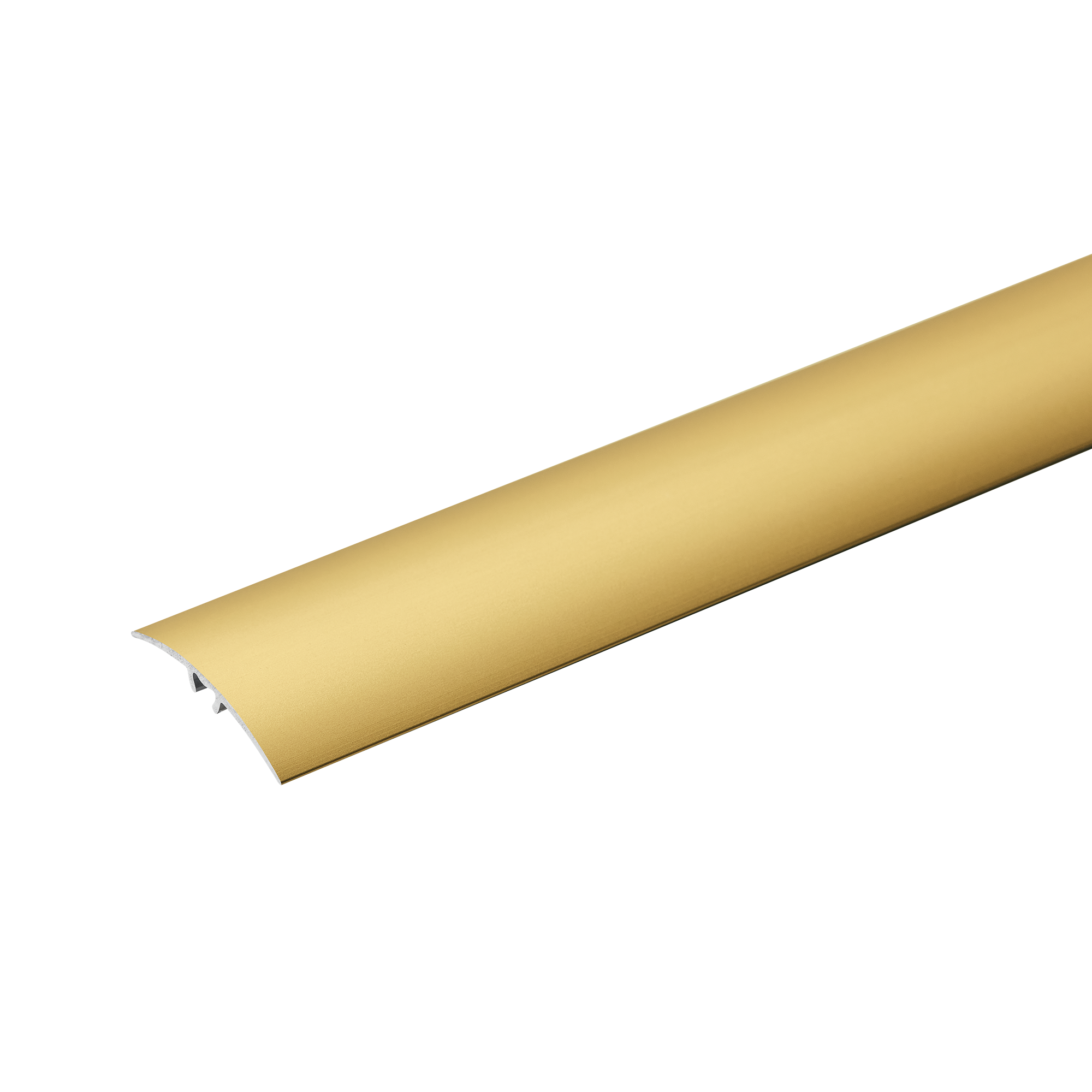



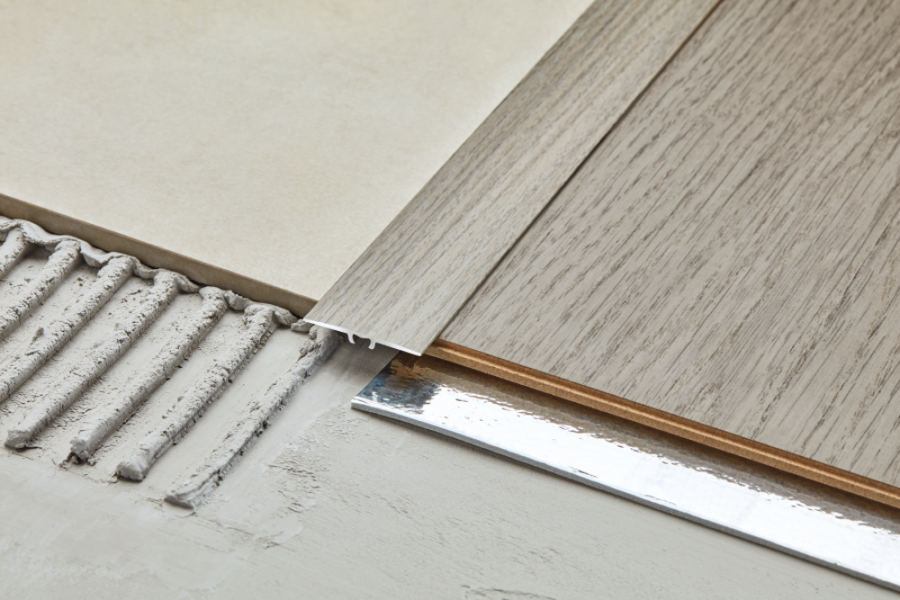
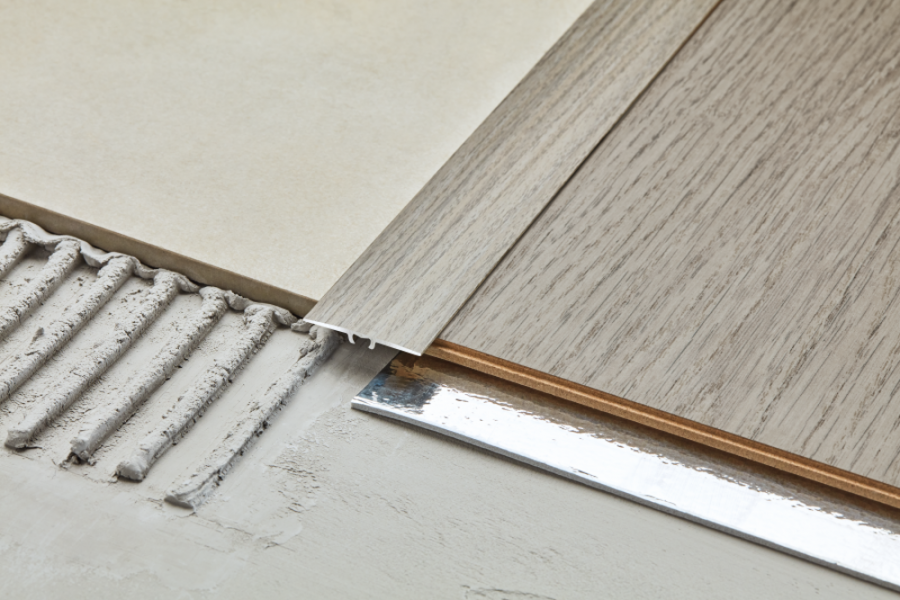
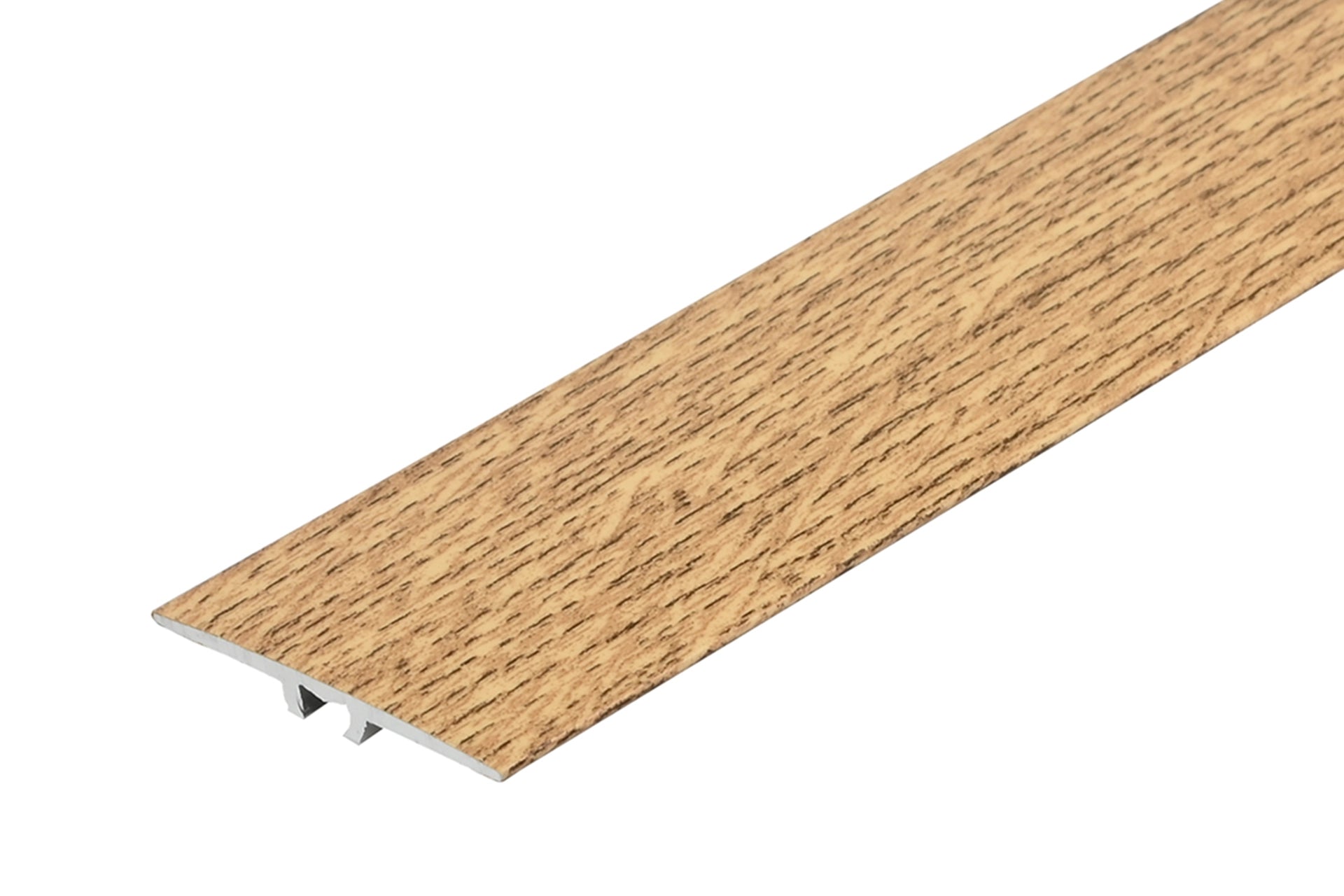
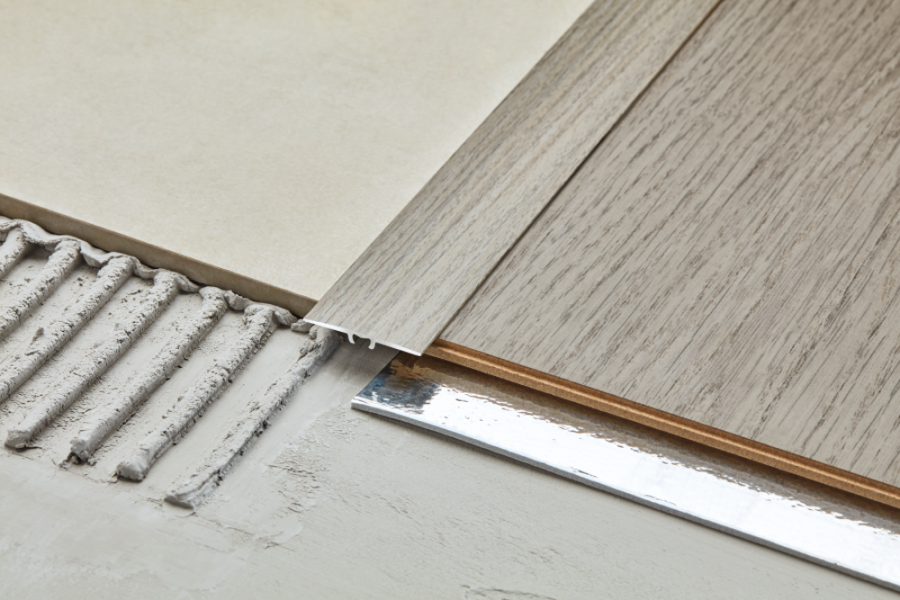
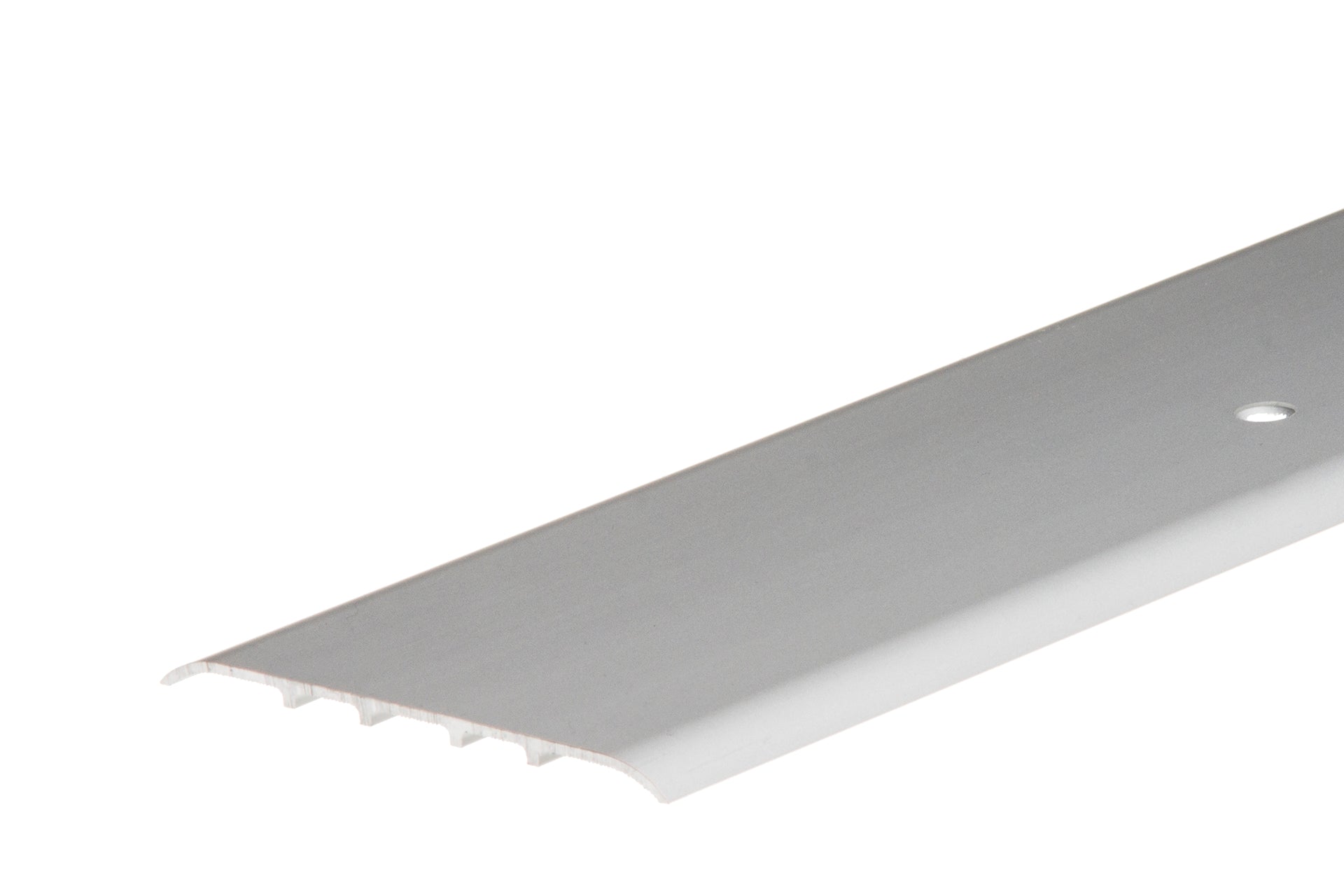

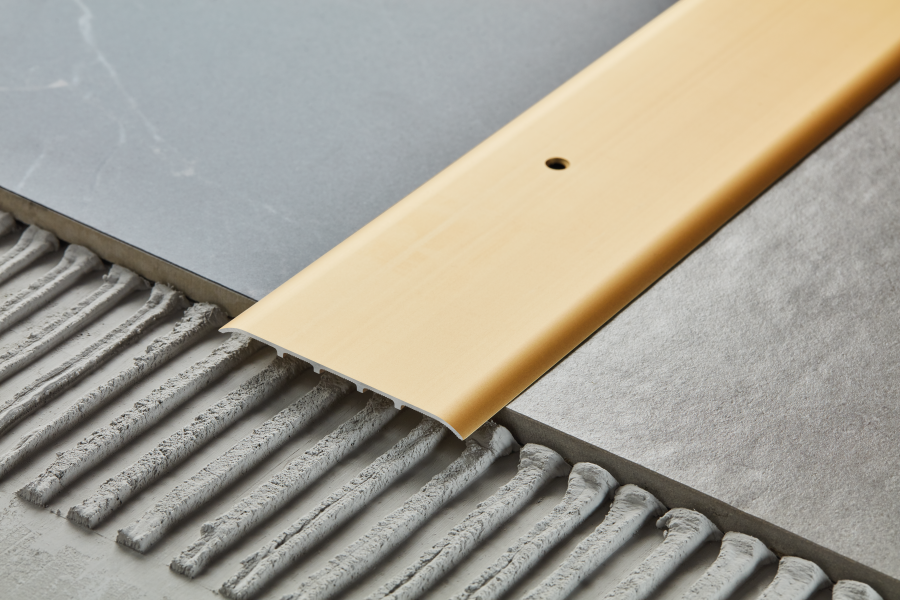


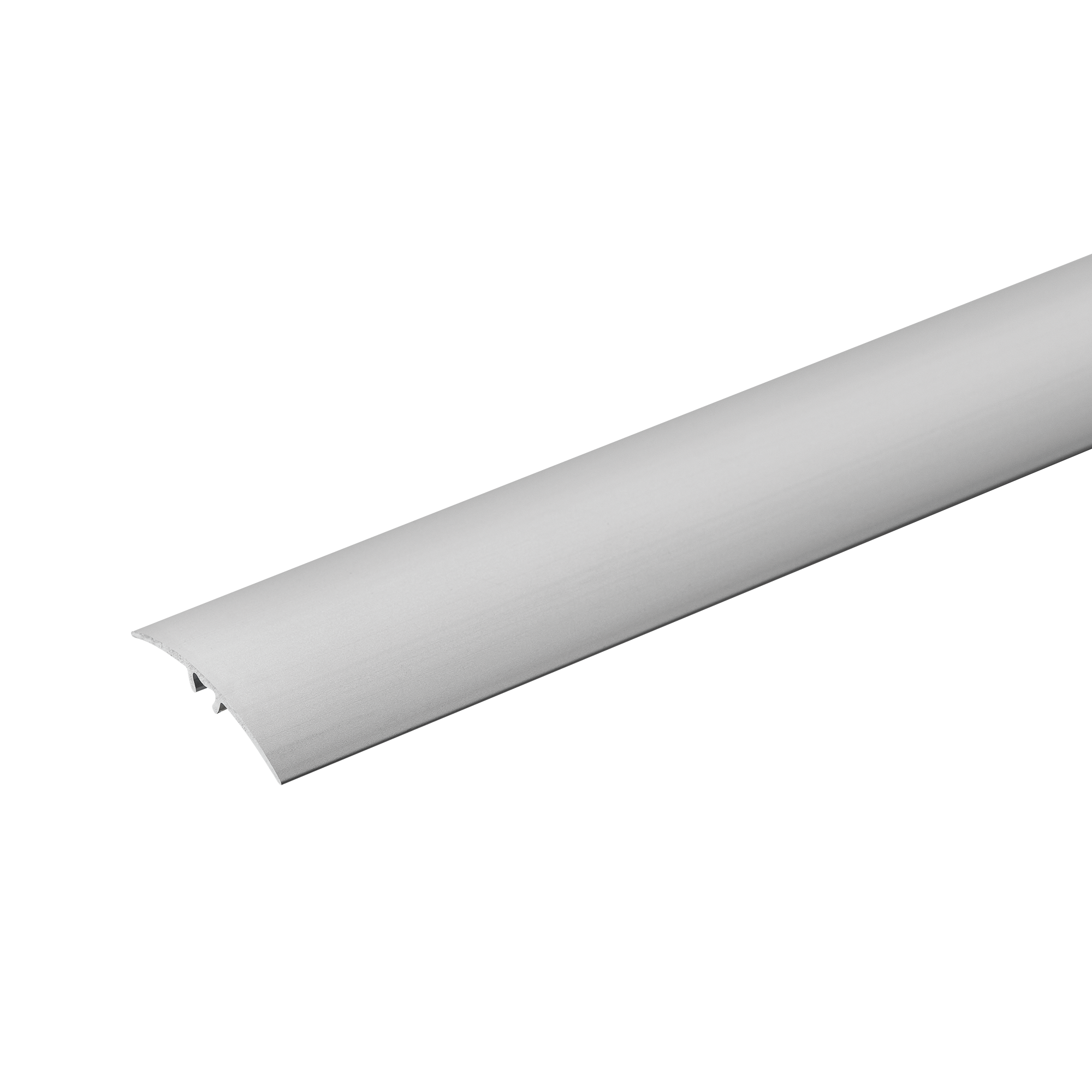
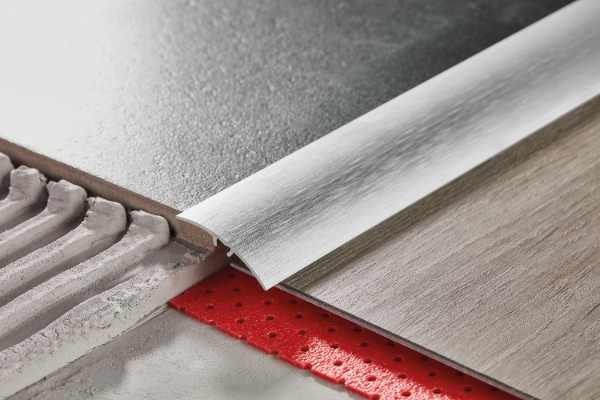

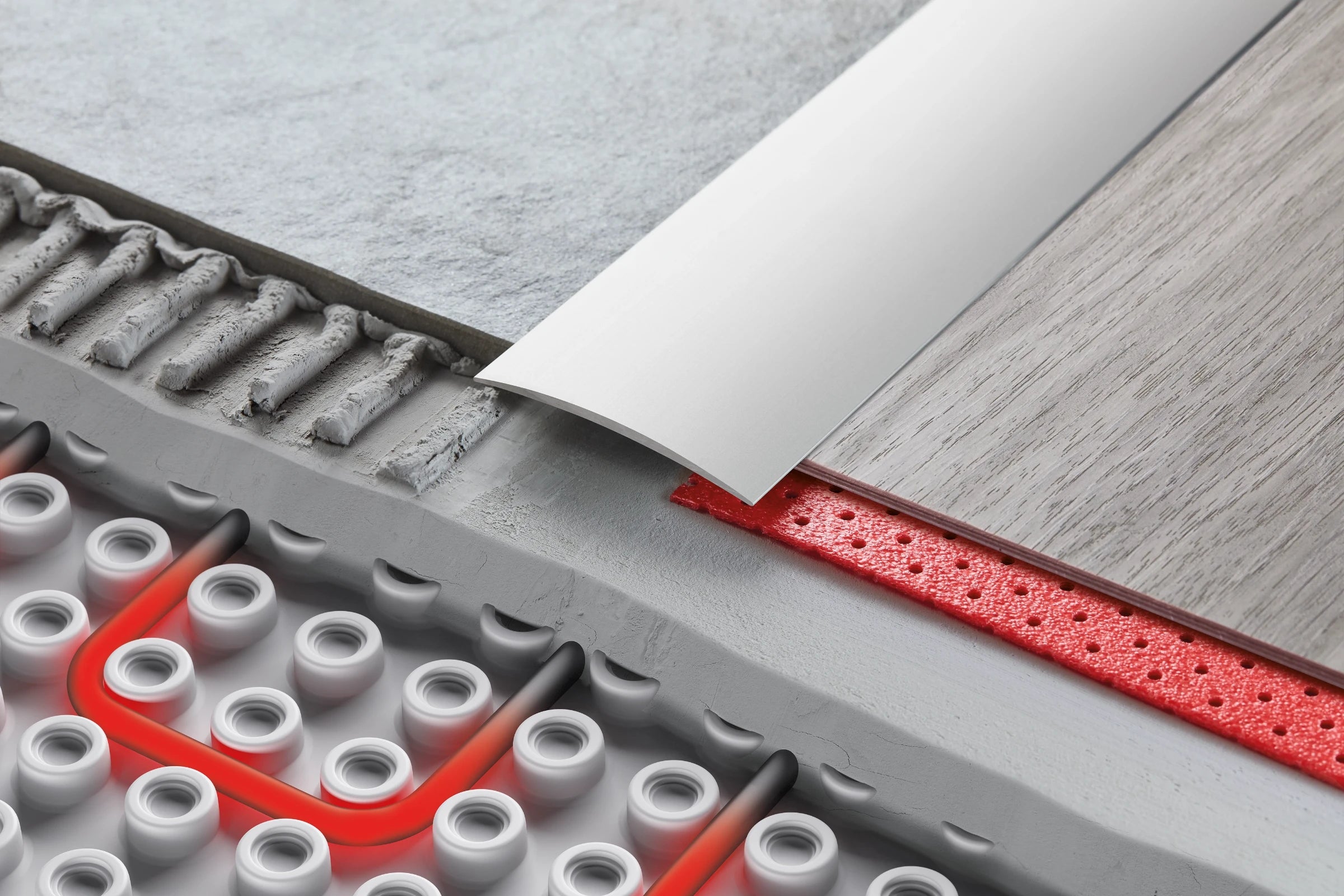


Looking for an aesthetic way to finish floor transitions? Threshold strips help conceal expansion gaps and level height differences, improving comfort of use.
Explore the available options and find a model that matches your interior design.
Read more
Aluminum threshold profiles – what they are used for and where to apply them
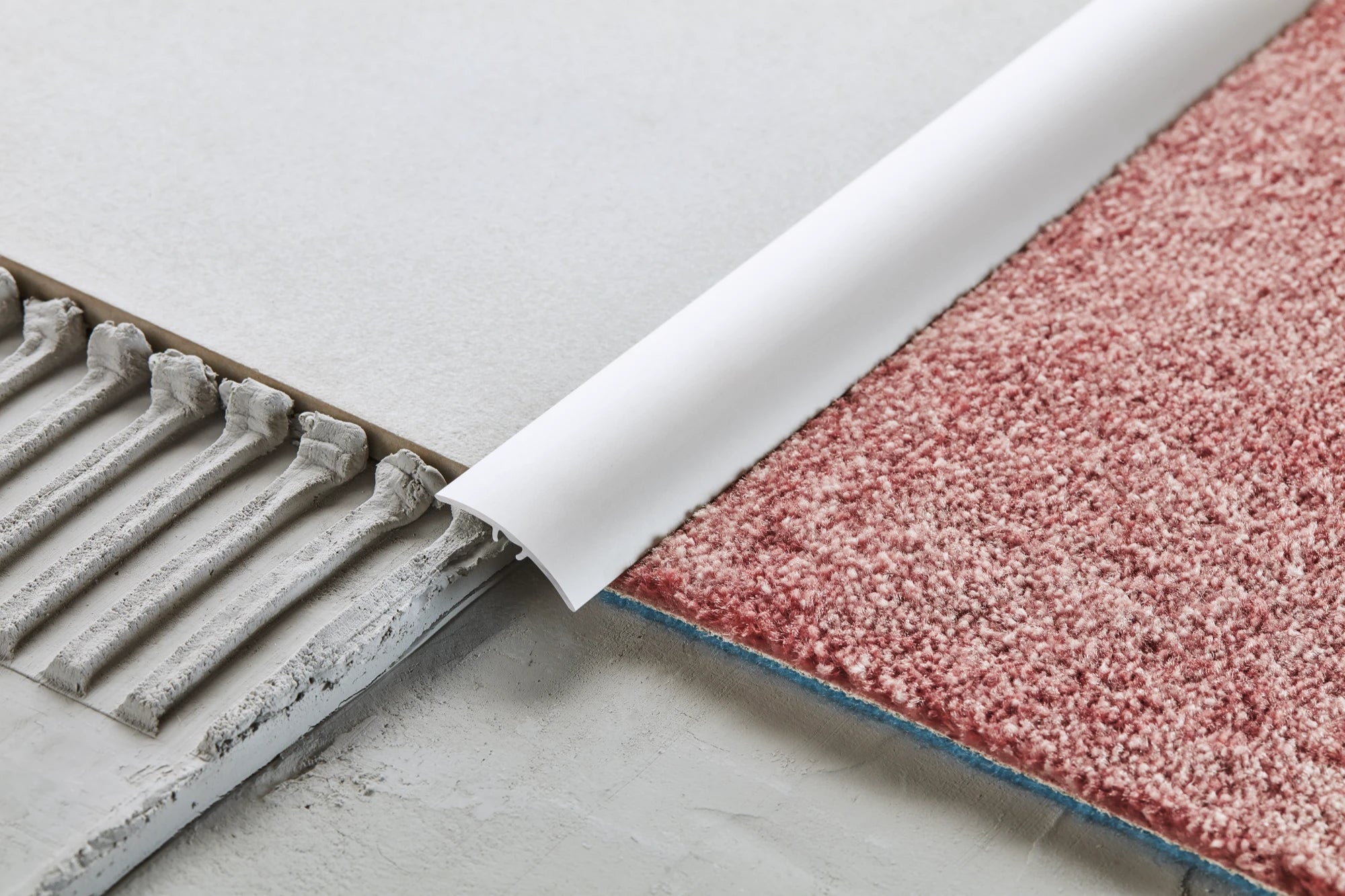
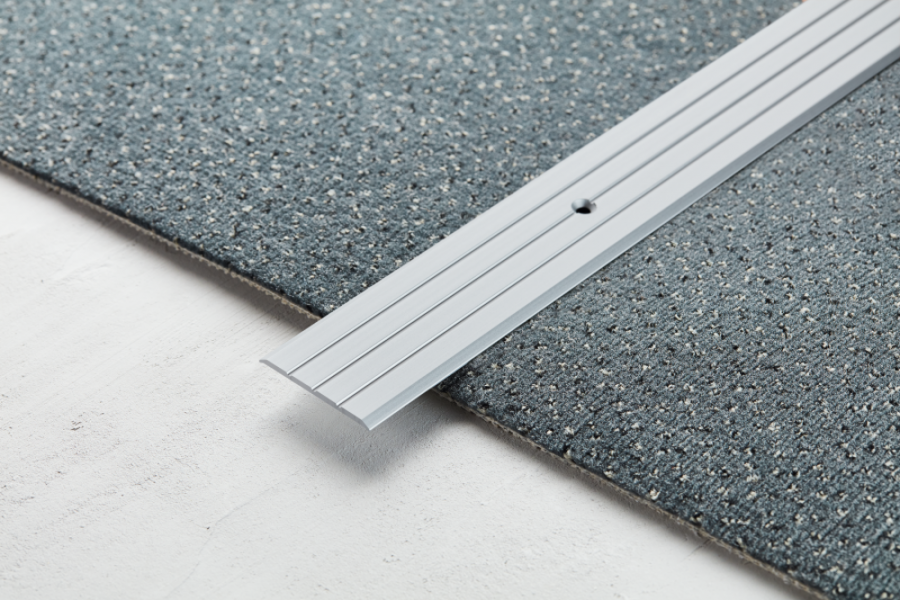
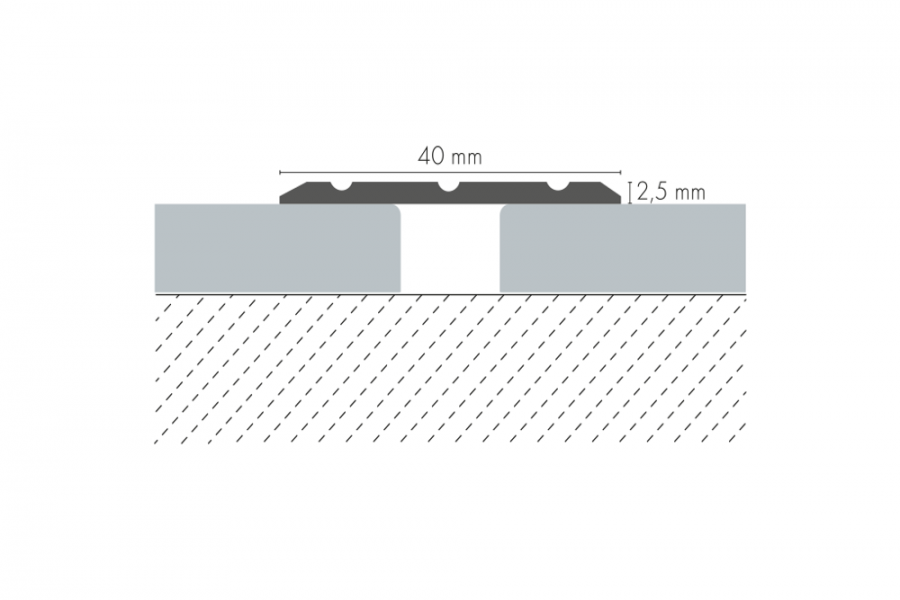
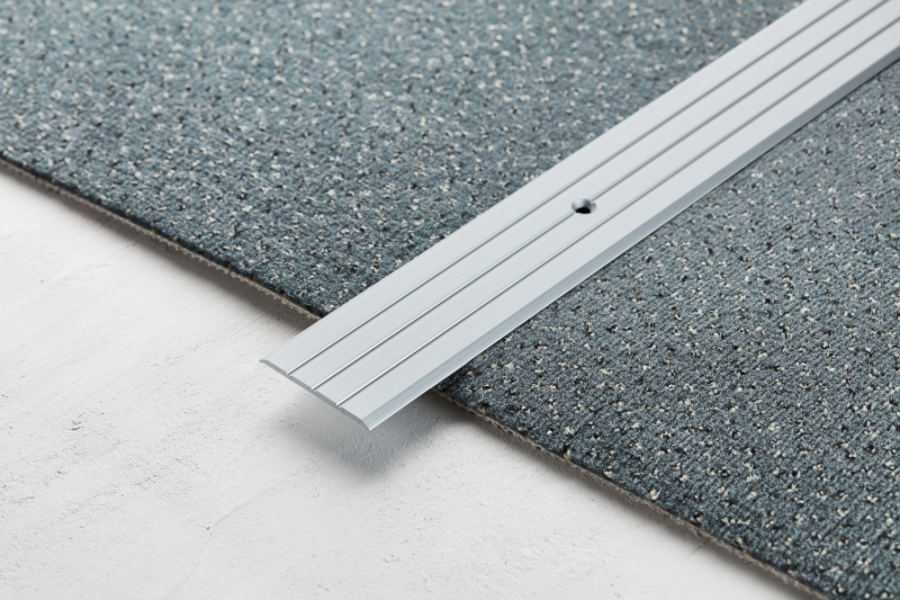
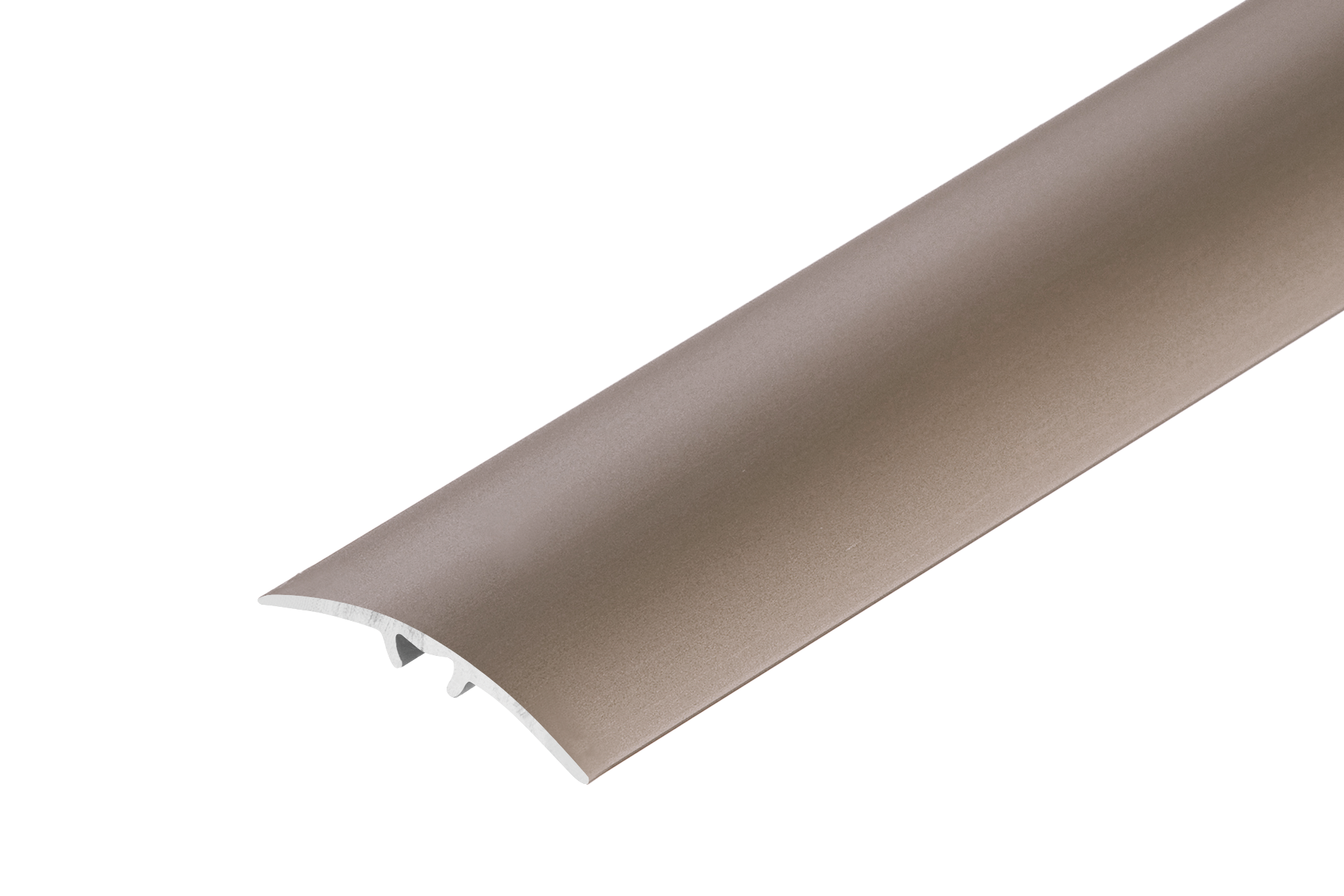
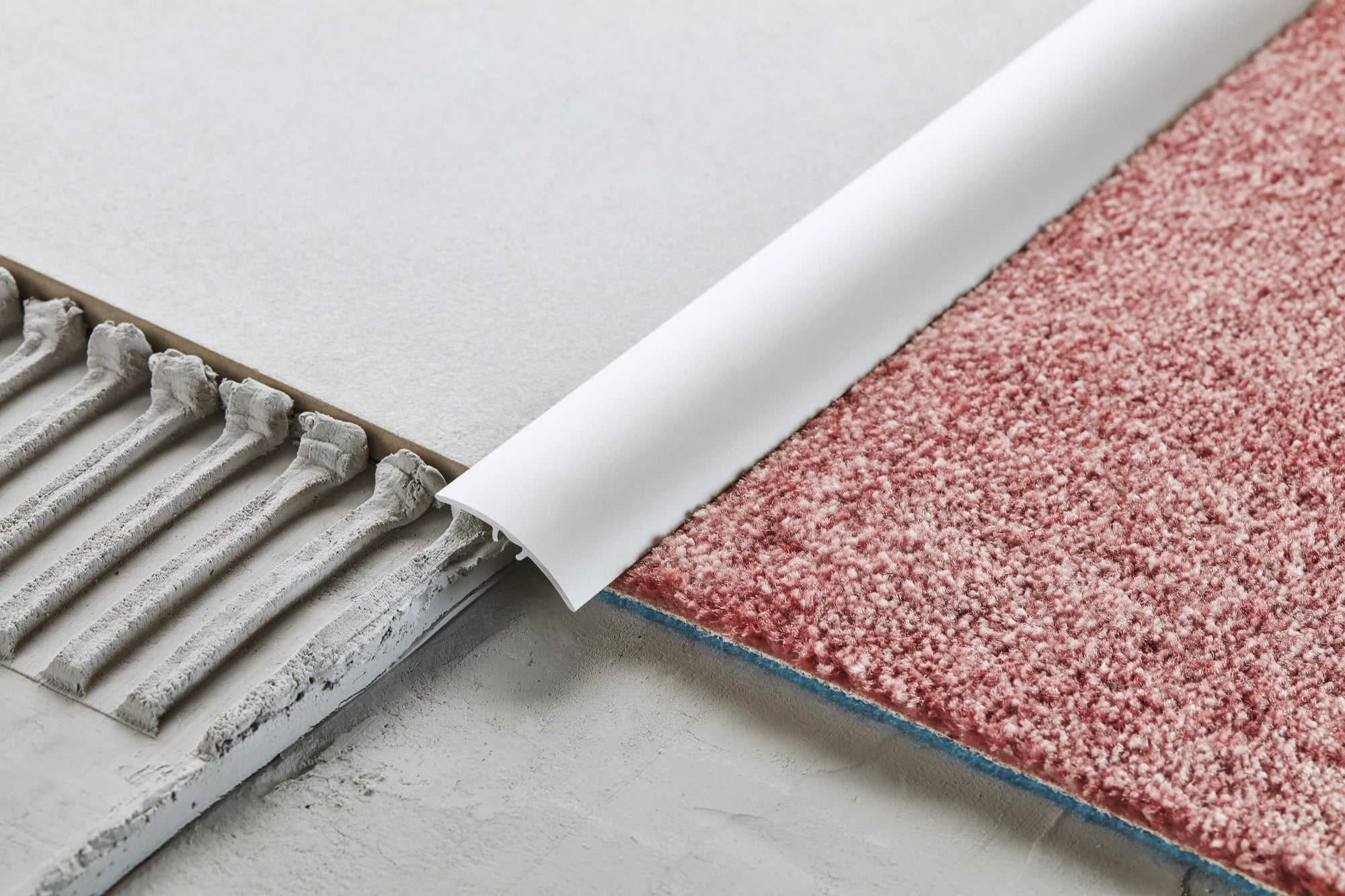
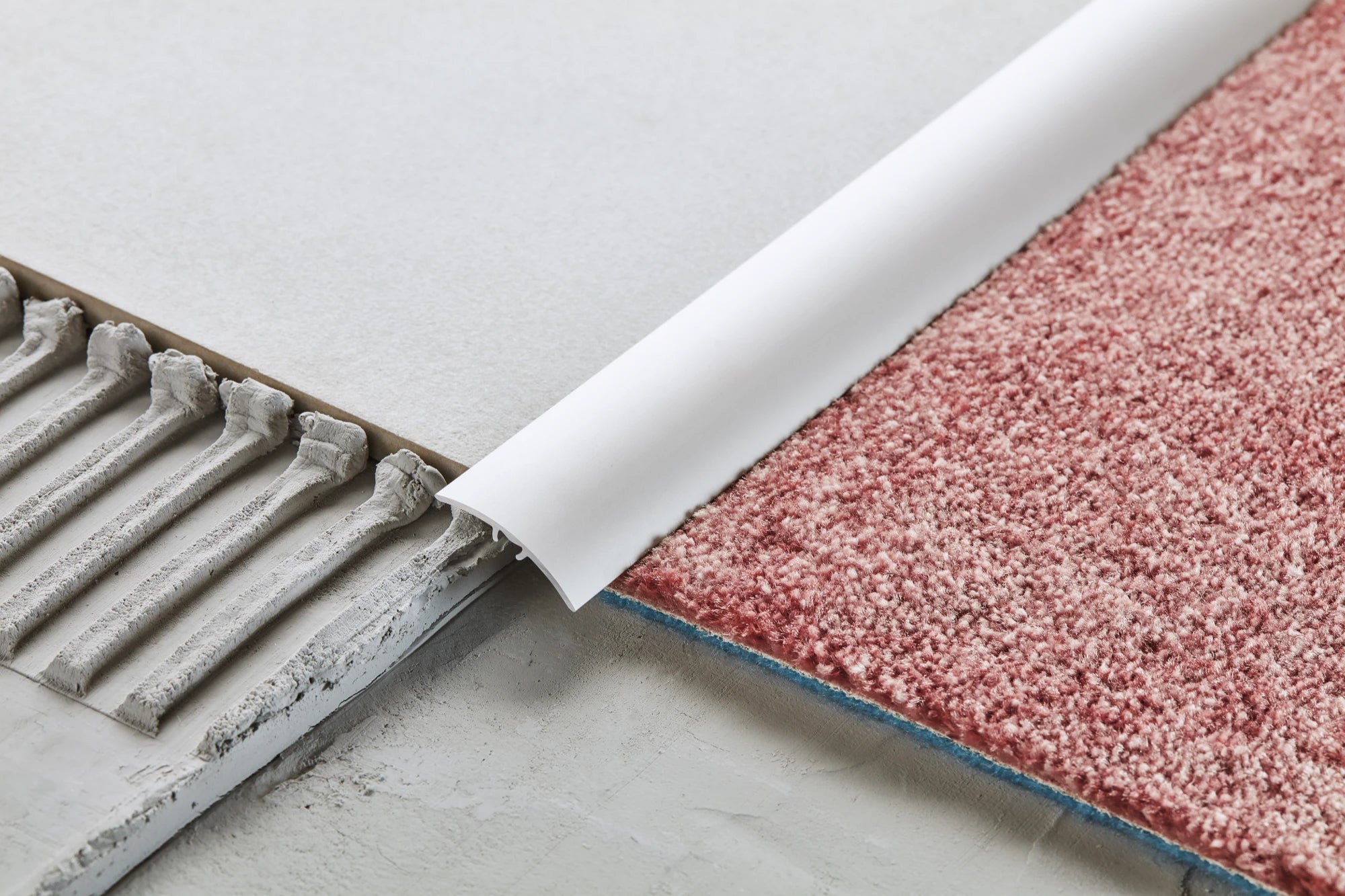
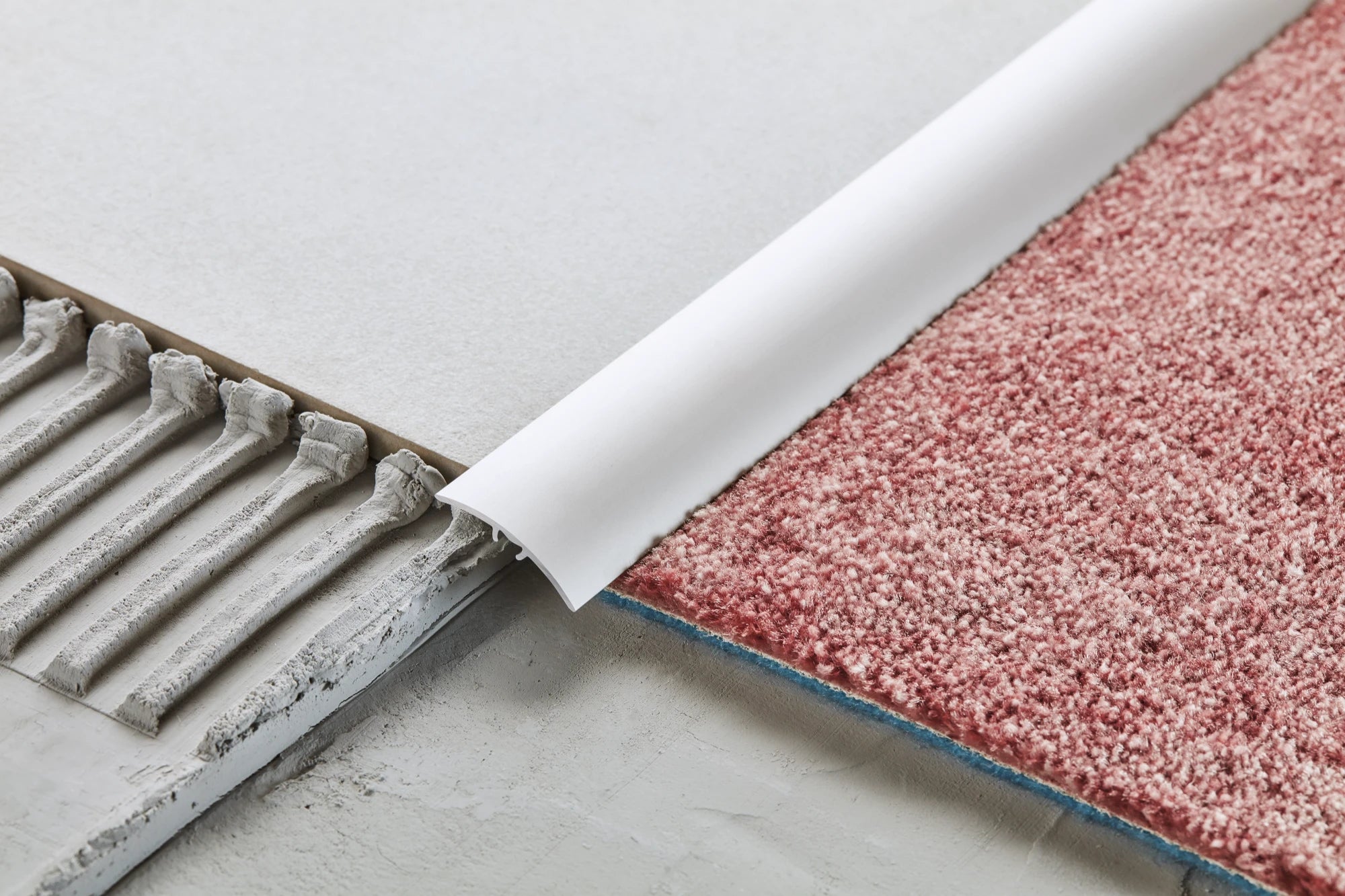
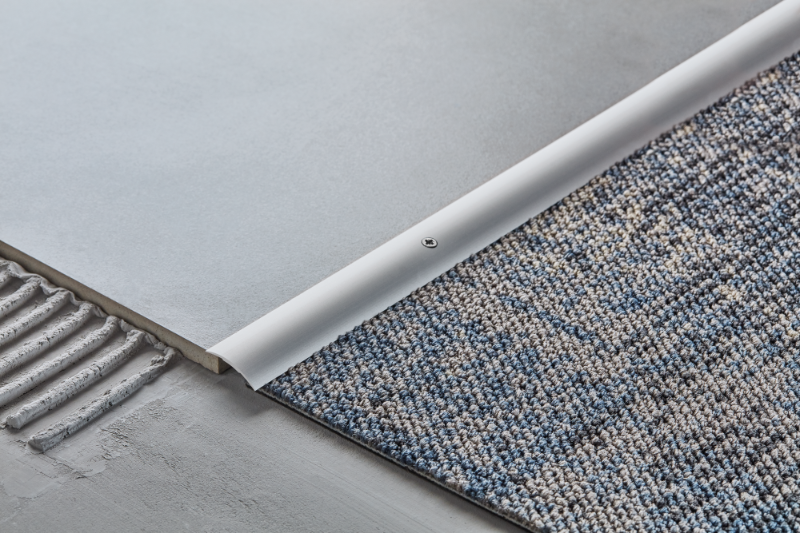
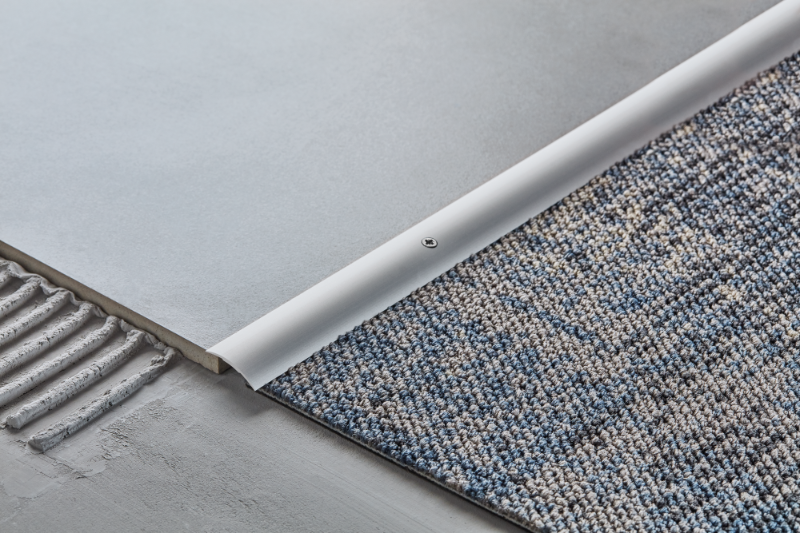
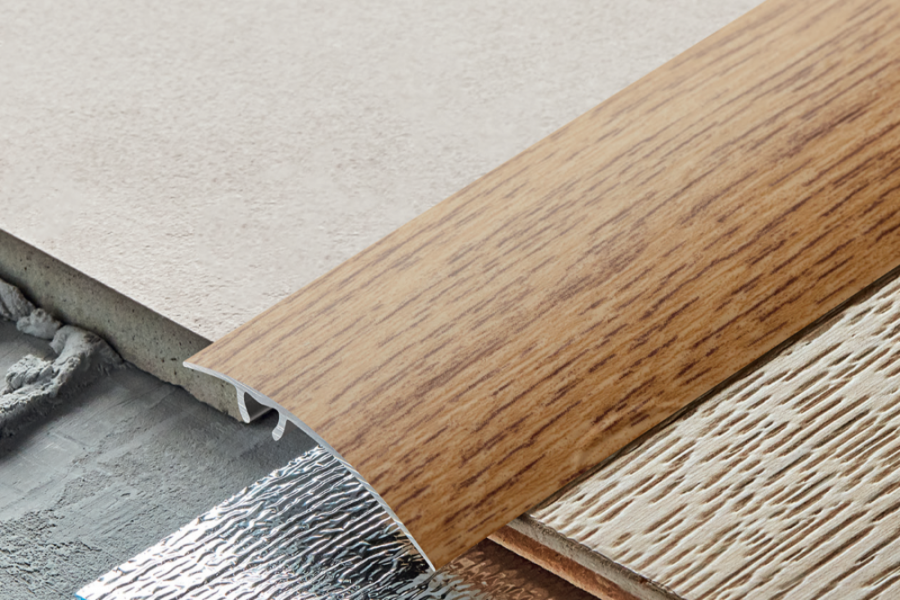
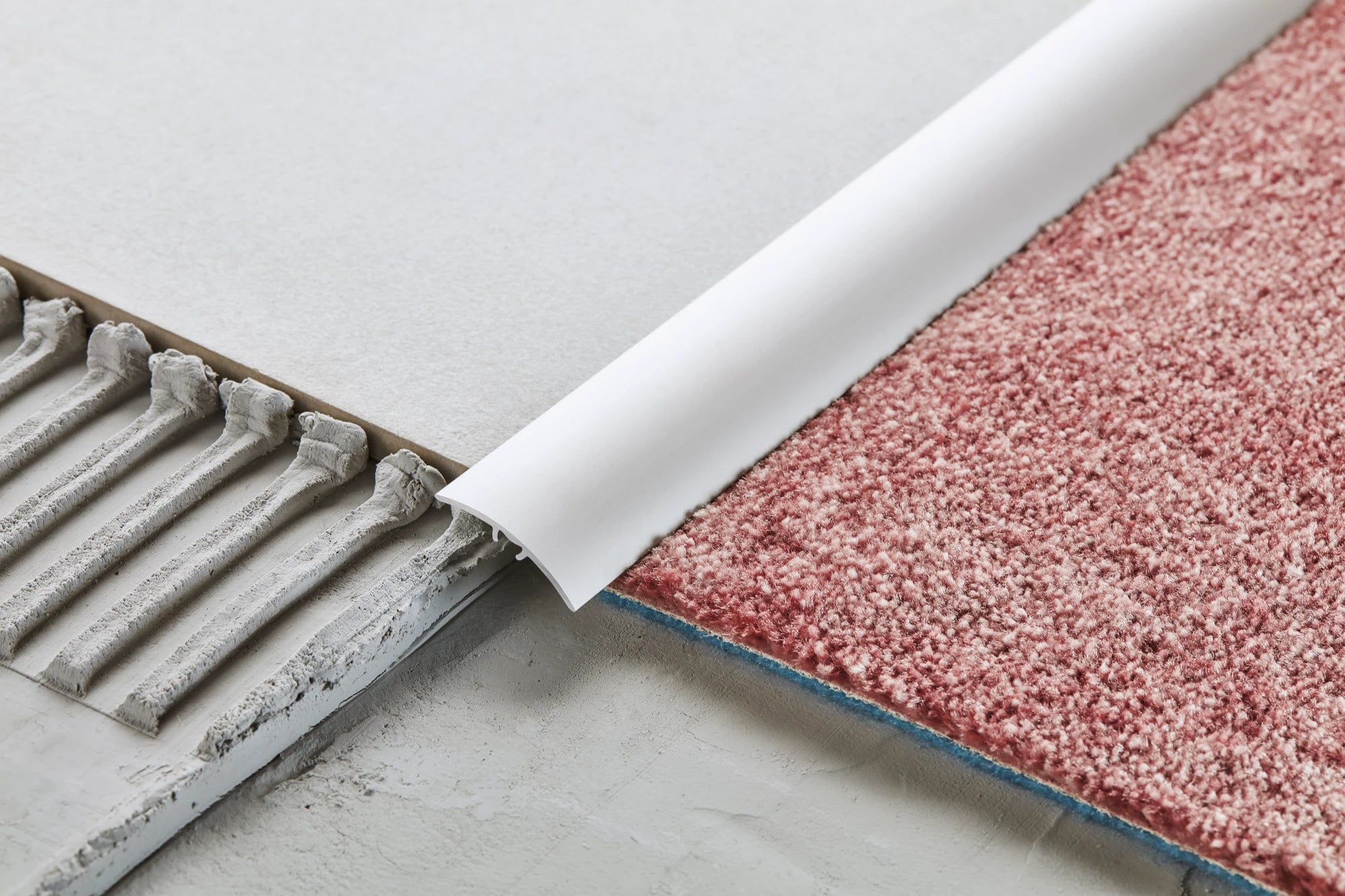
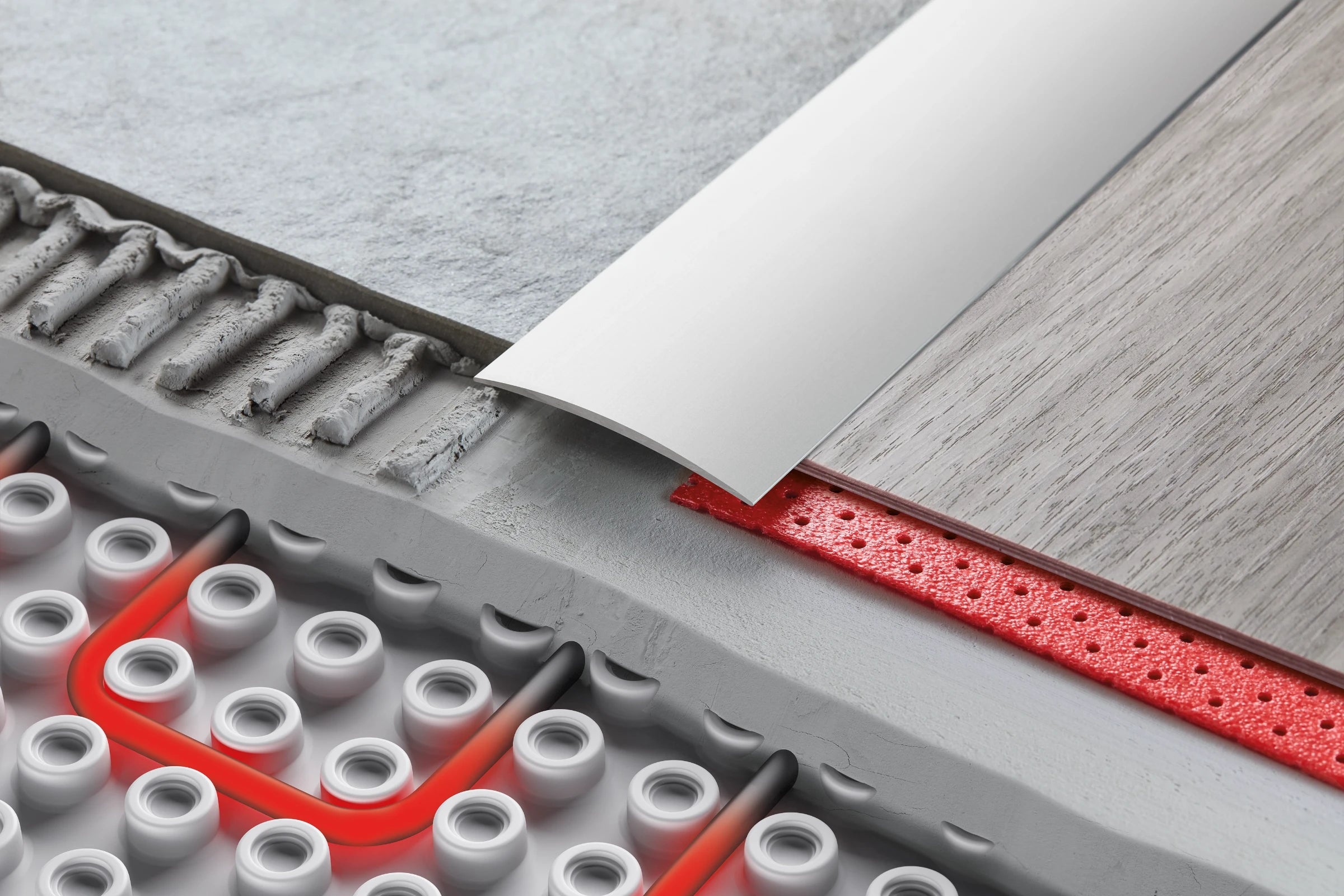
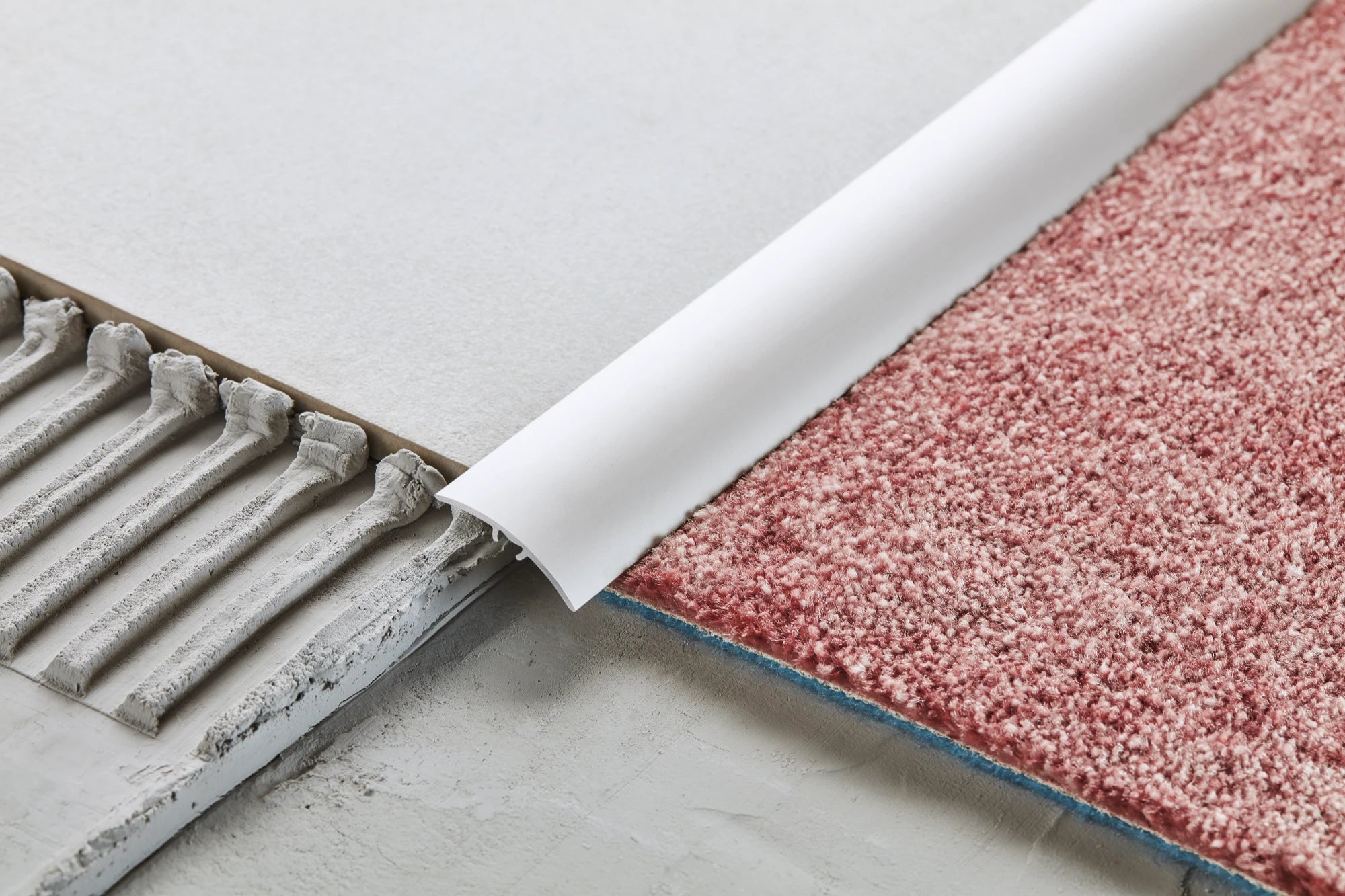
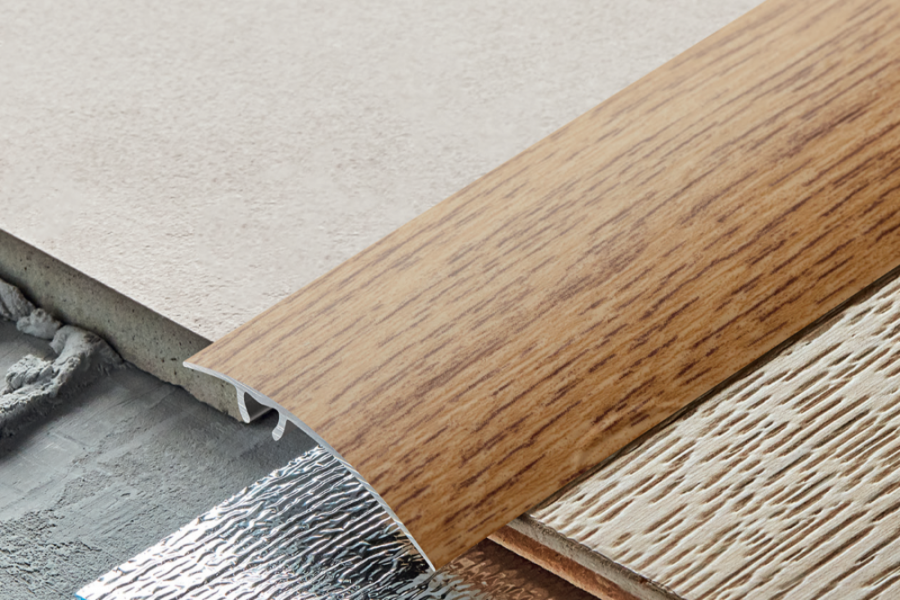
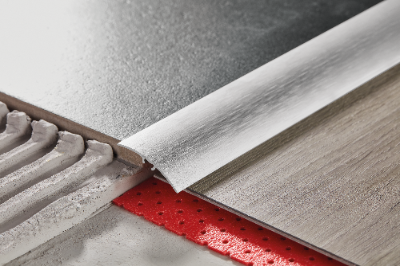
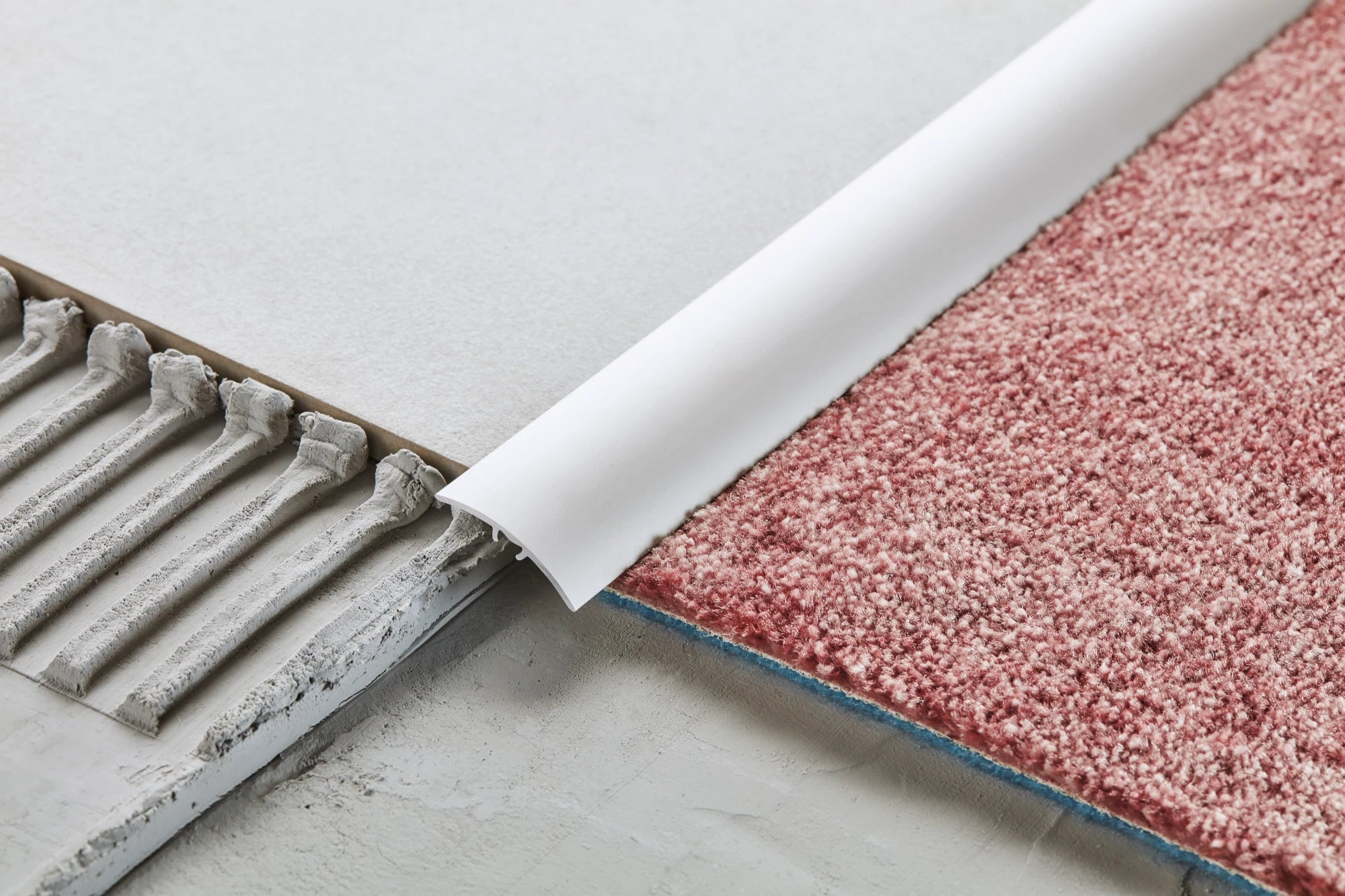
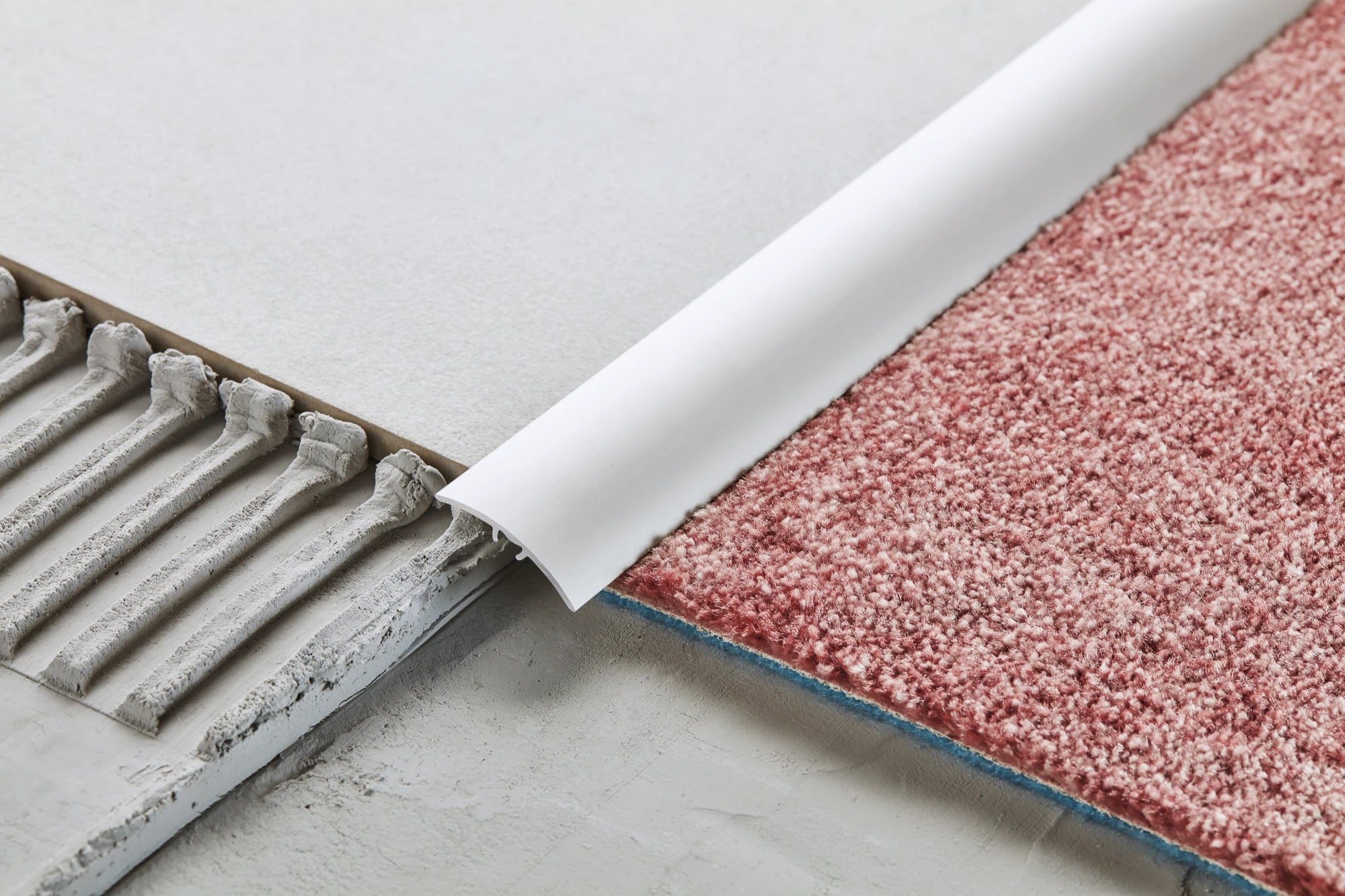
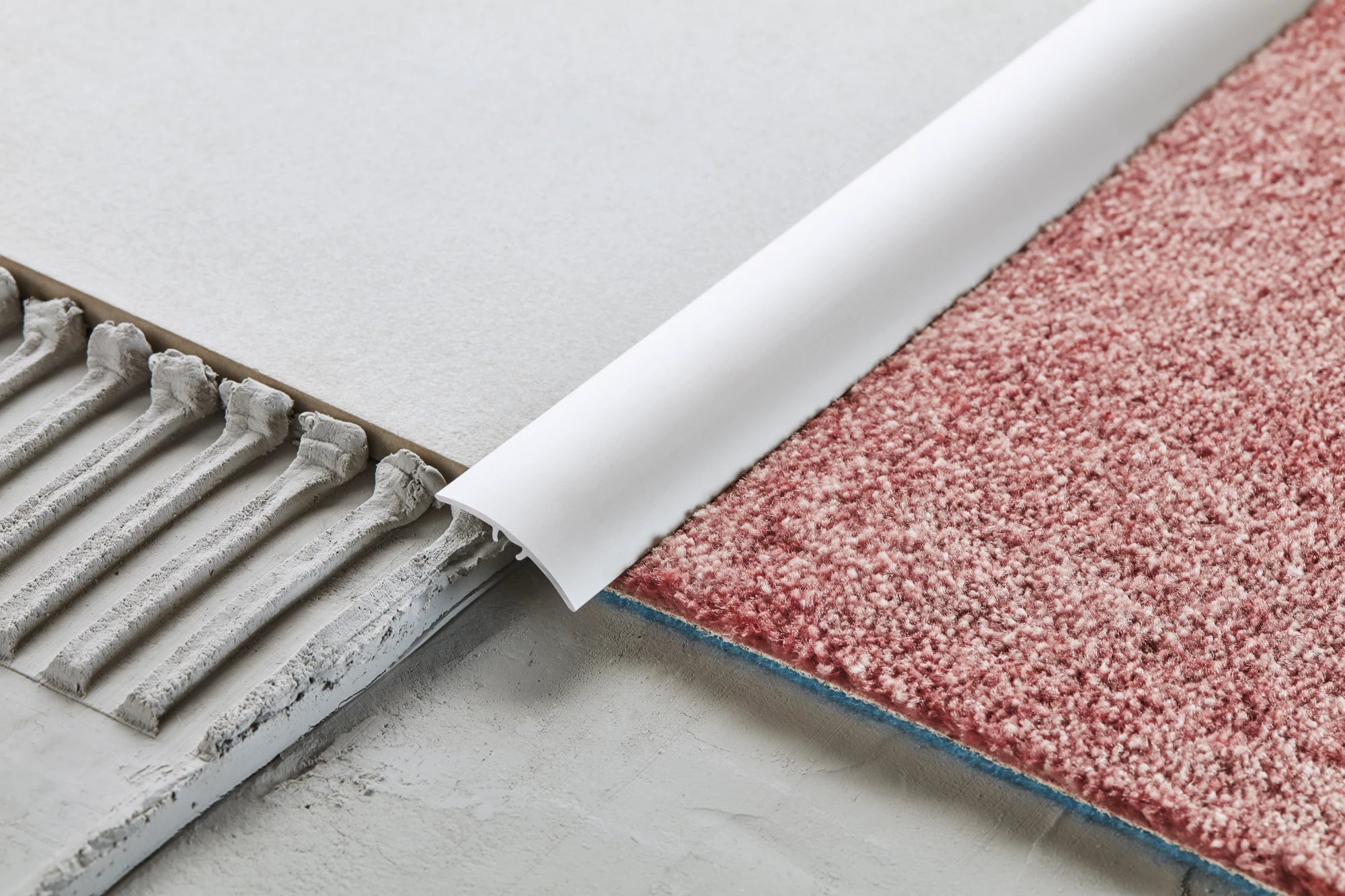
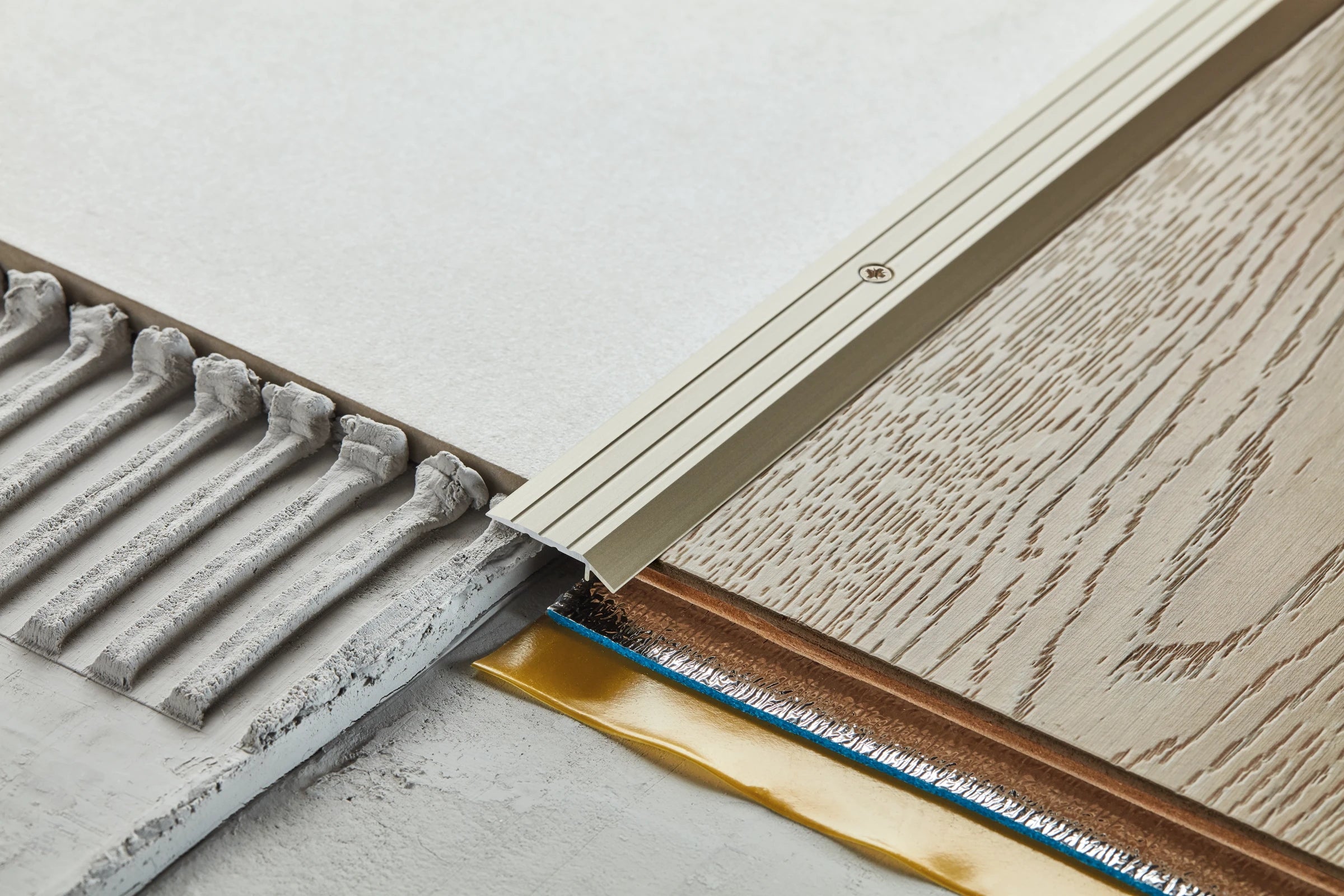
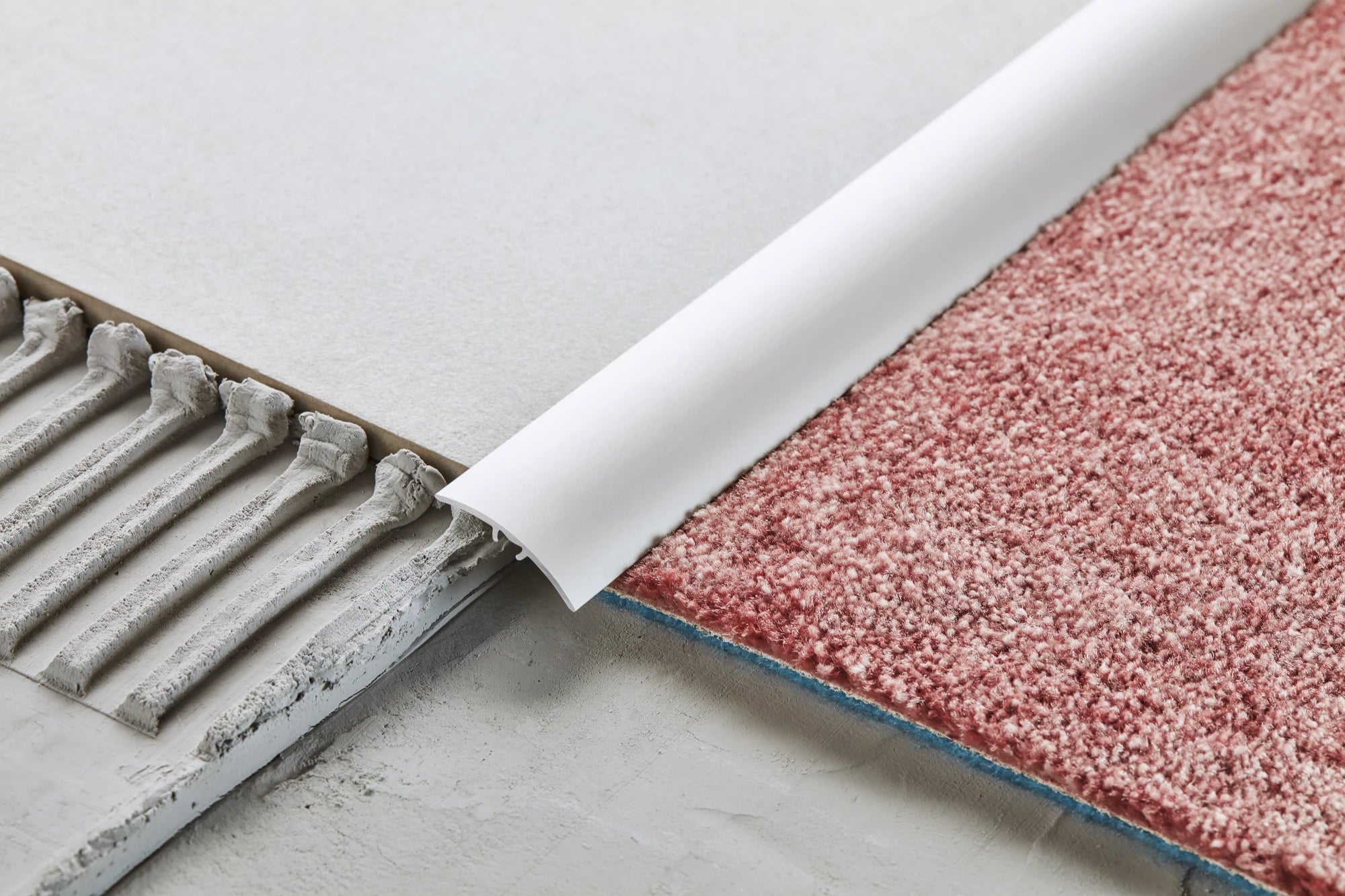
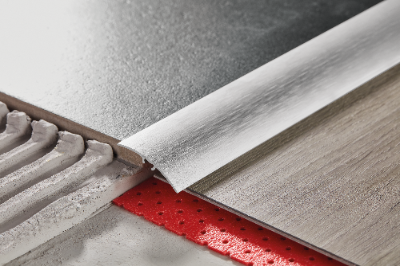
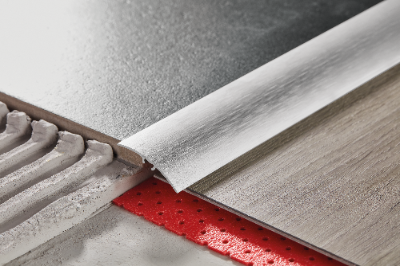
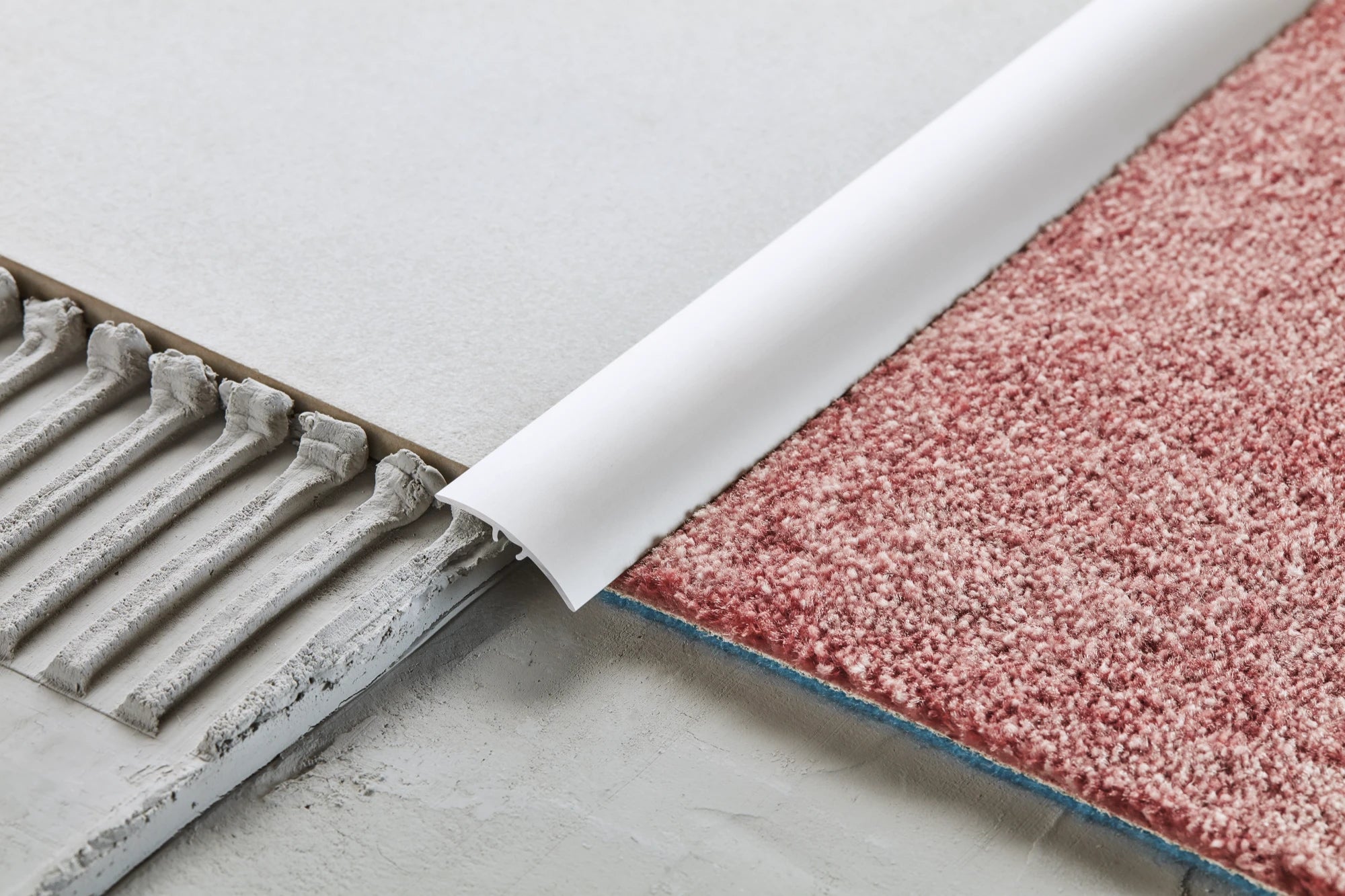
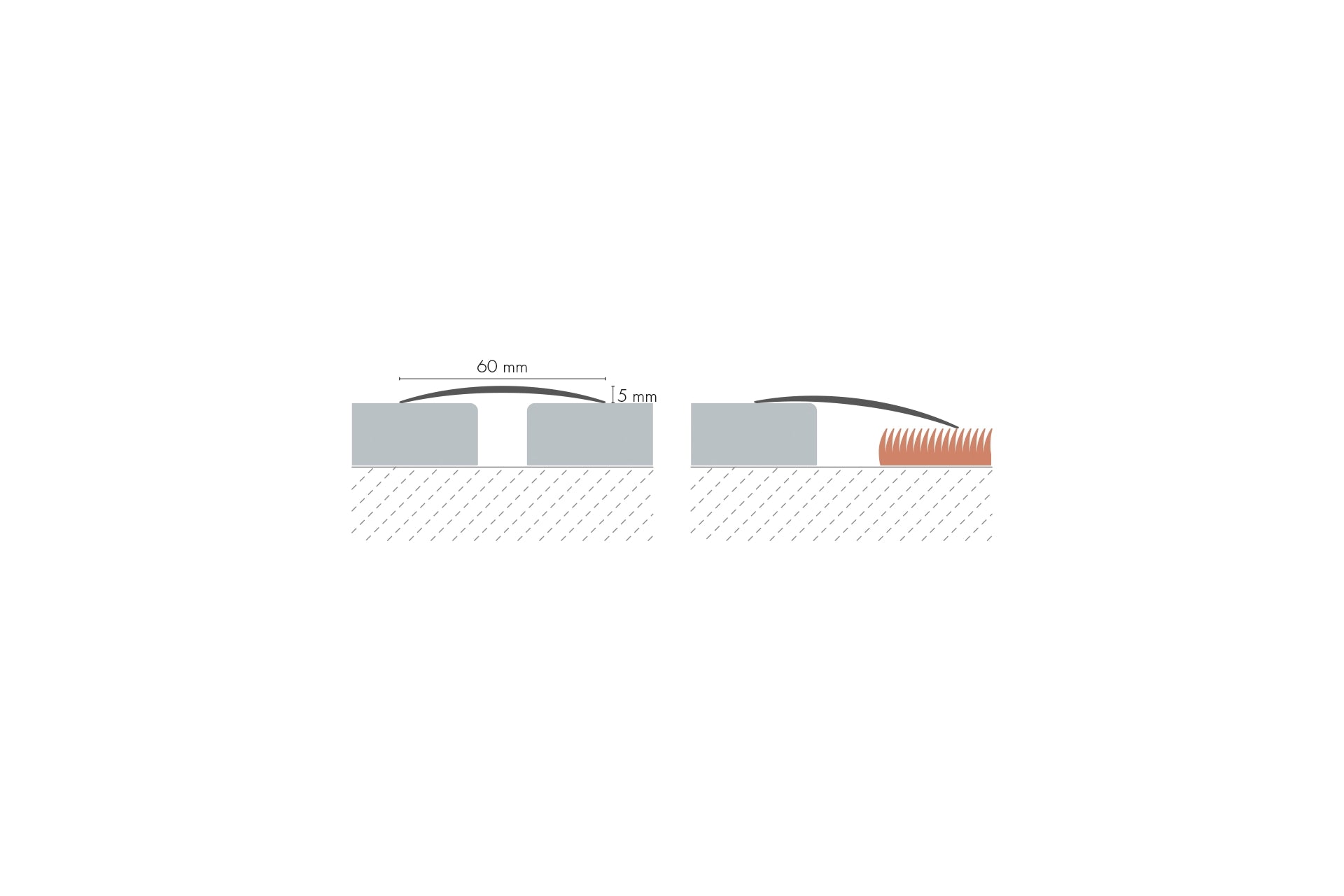
Threshold strips are installed where two different floor surfaces meet (e.g., panels and tiles, flooring and a door threshold). This element serves a protective function, safeguarding edges from damage and preventing deformation, while also enhancing the aesthetics of the entire transitional space.
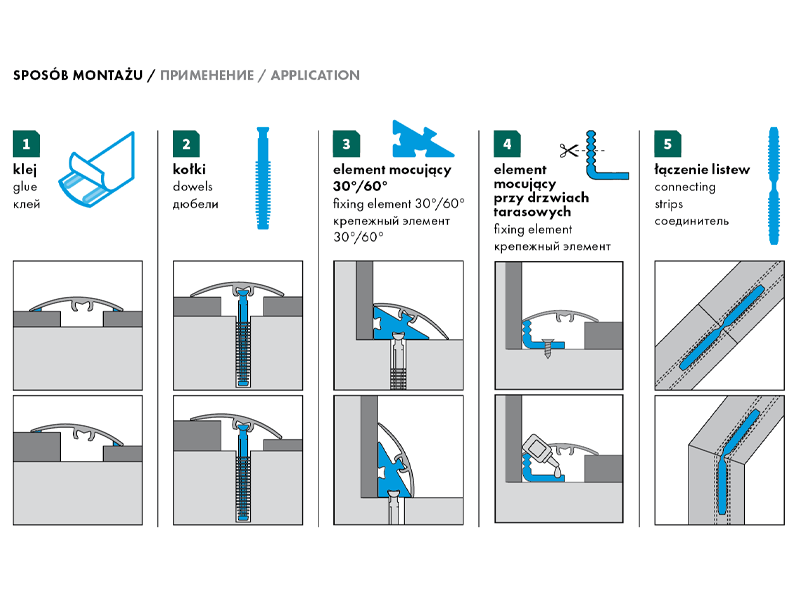
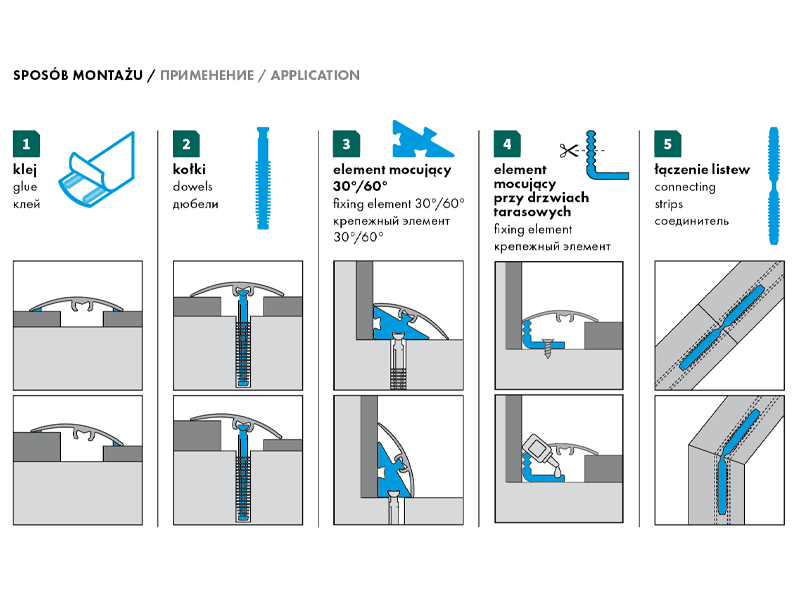
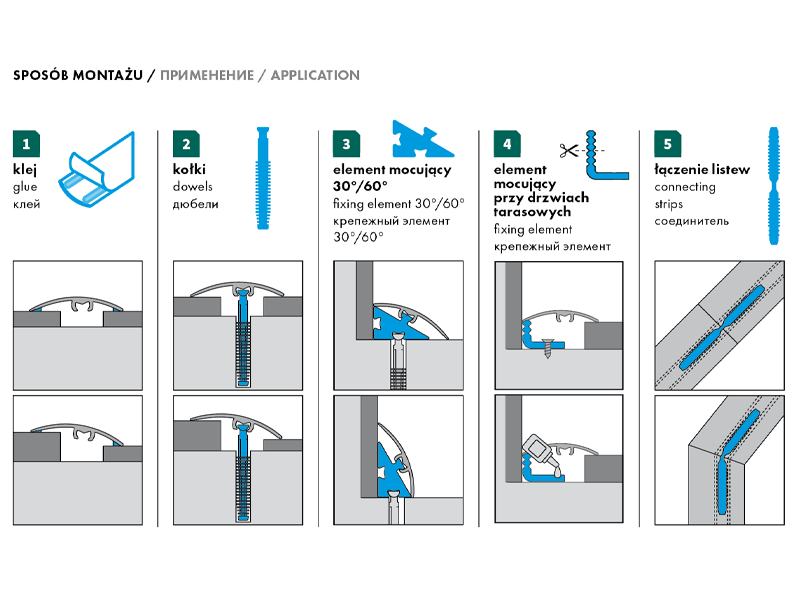
Finishing threshold profiles are used in corridors, kitchens, bathrooms, and wherever the type of flooring changes between rooms. For height differences, leveling profiles are used to equalize levels and ensure a smooth transition. Installation is usually done with screws or adhesive. This practical solution is especially recommended during floor renovations.
Types of threshold profiles – flat, oval, and 5-in-1 joint profiles
Our offer includes many types of constructions. These primarily include:
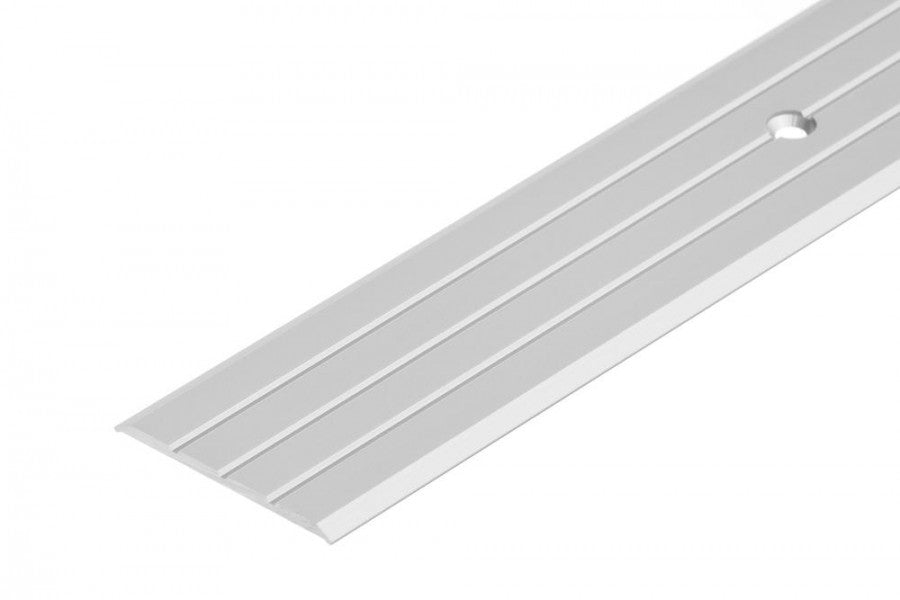
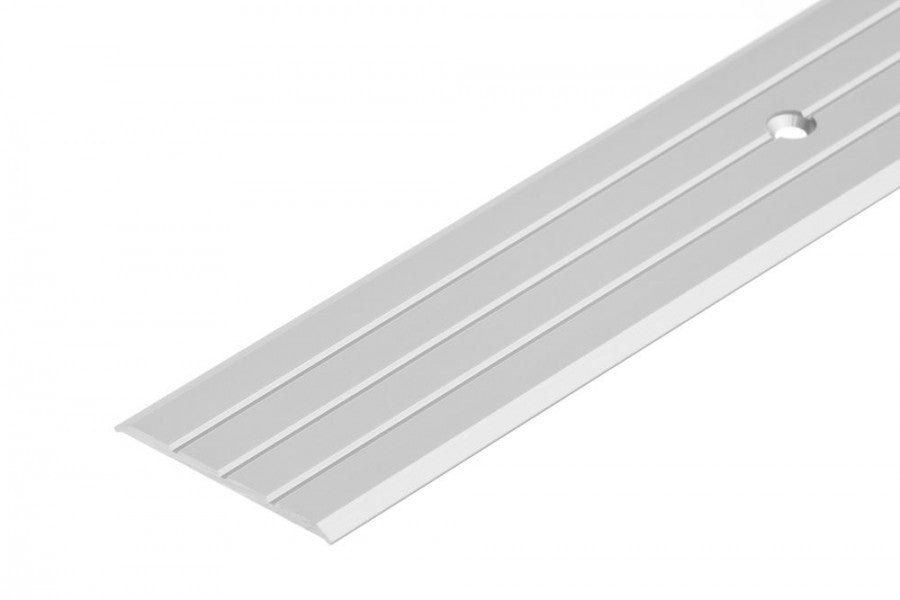
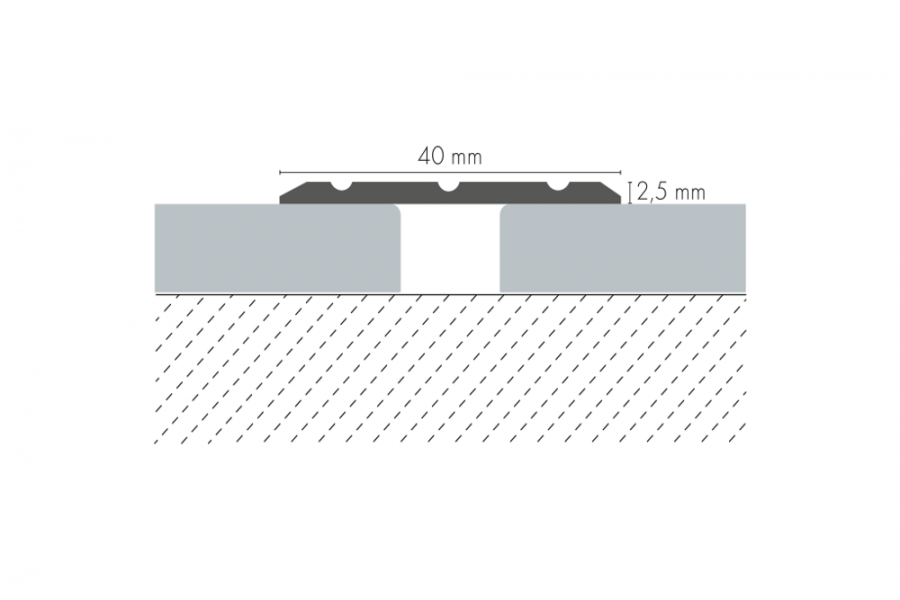
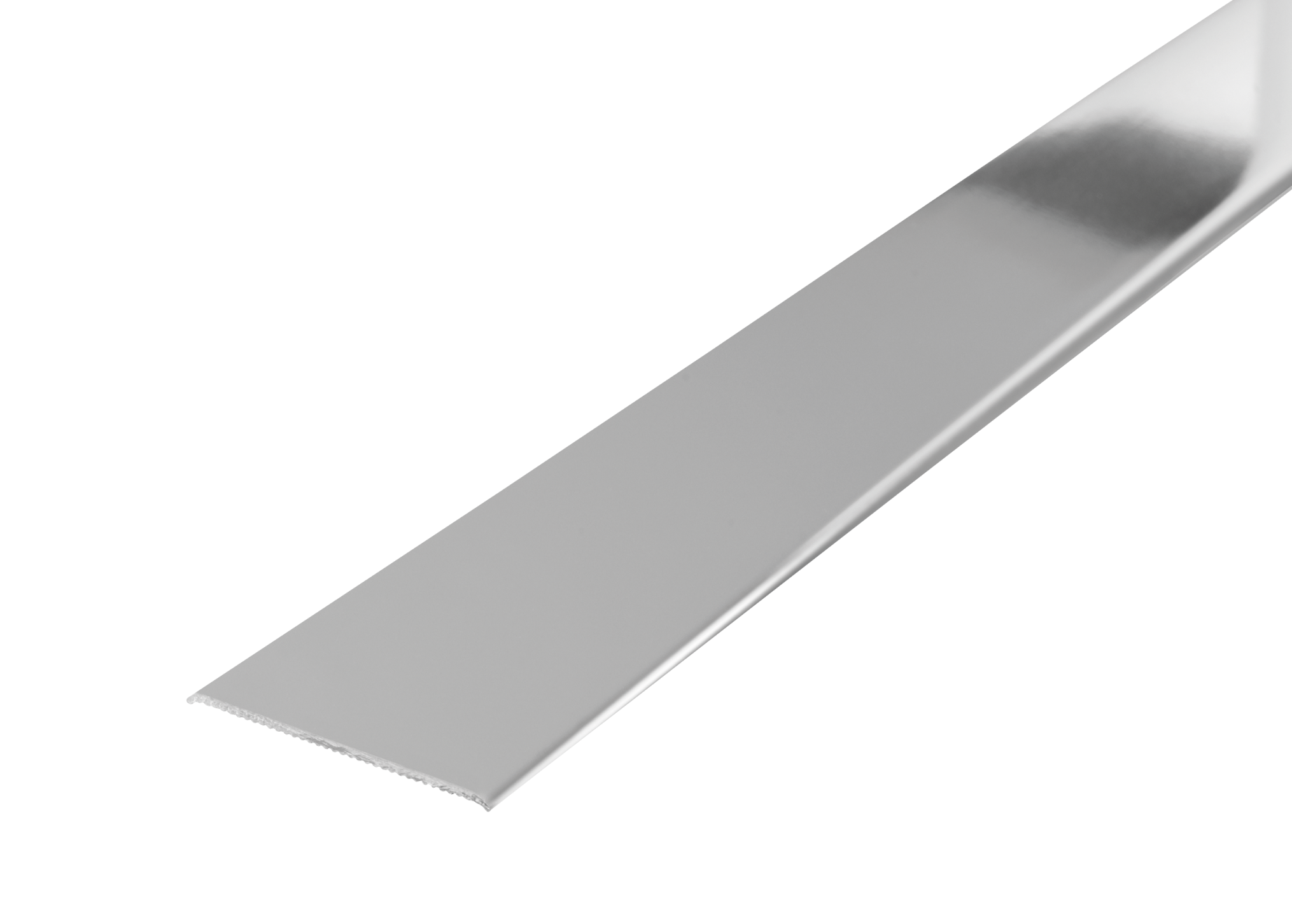
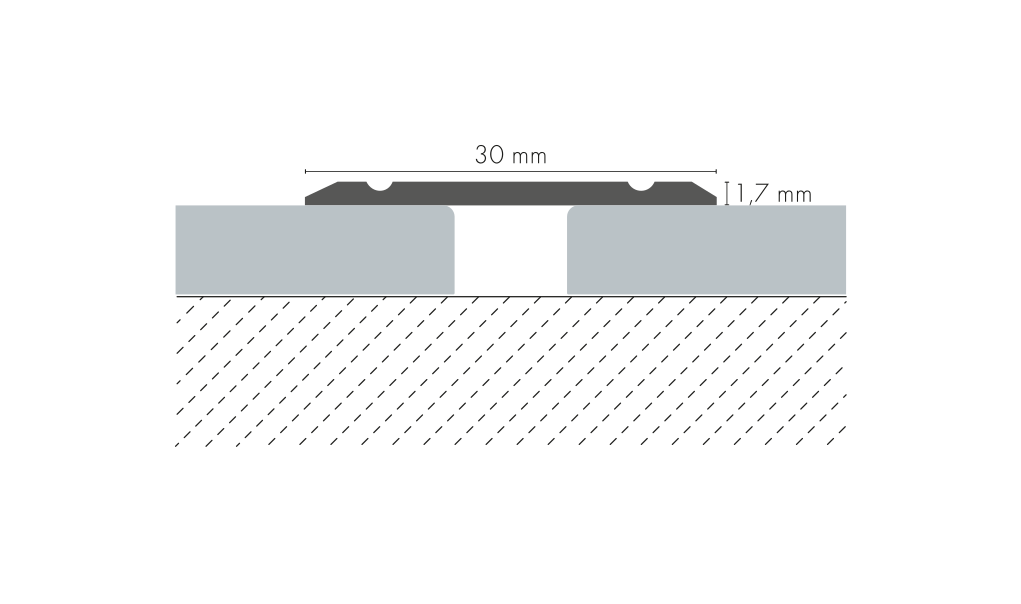
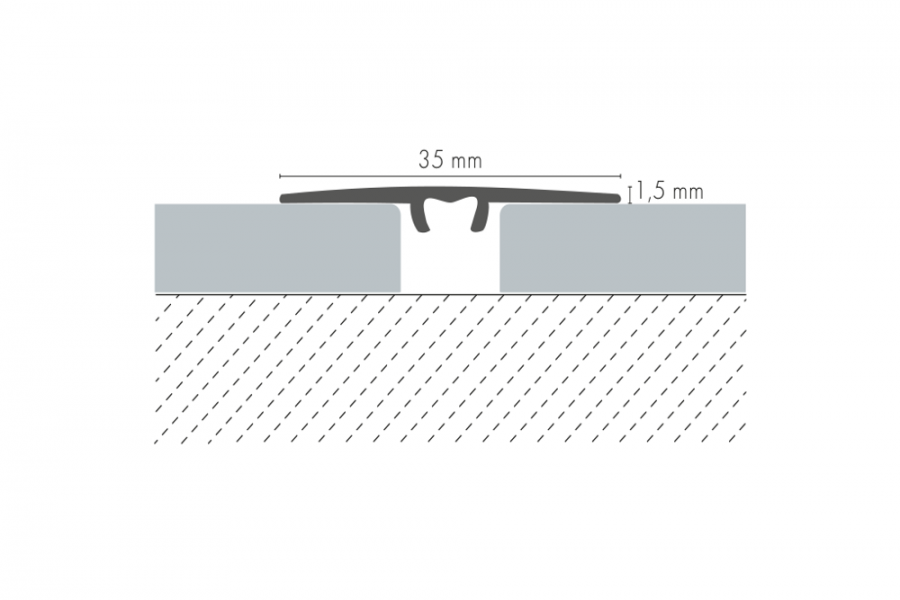
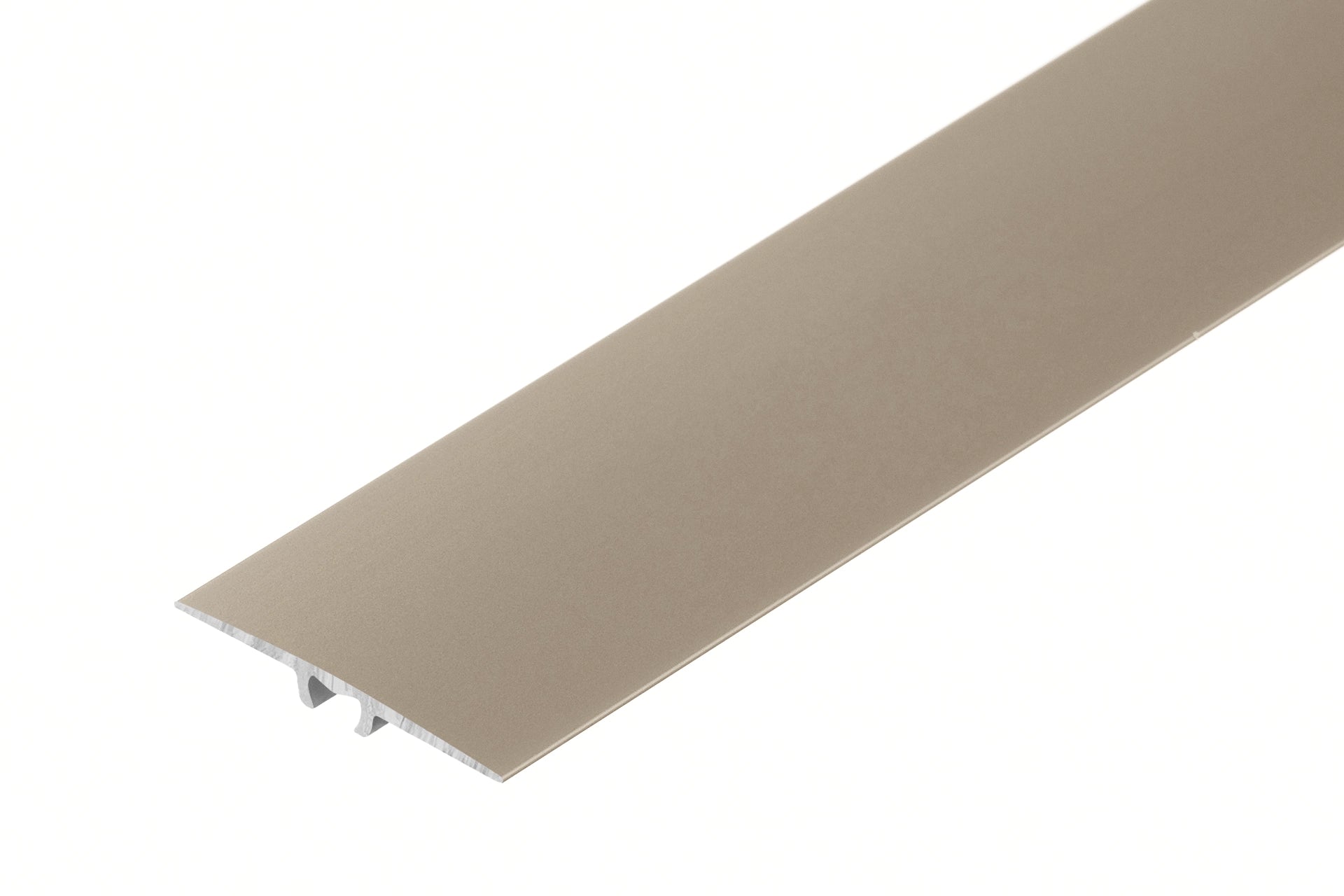
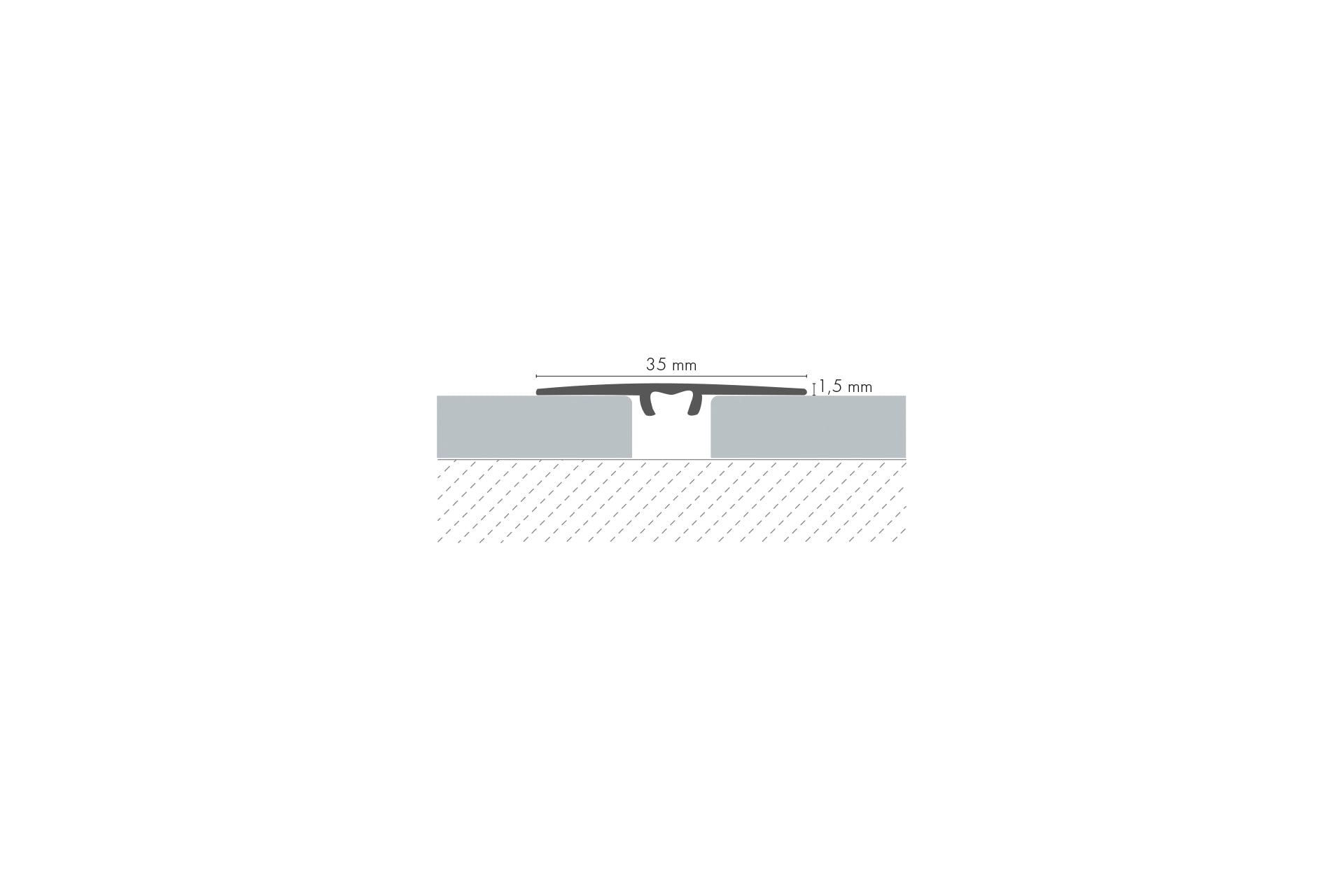
- flat profiles - a thin threshold strip with a low cross-section,
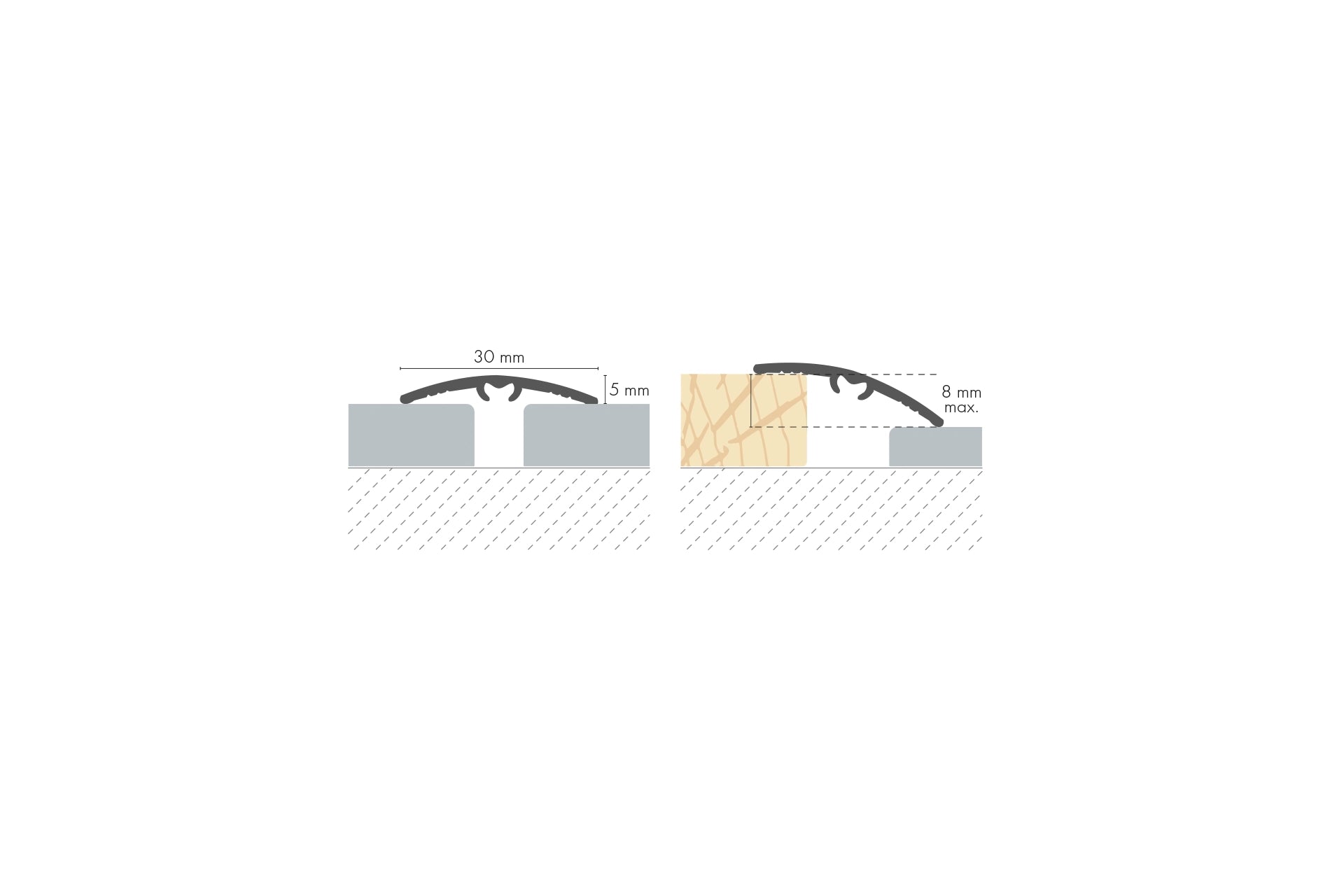
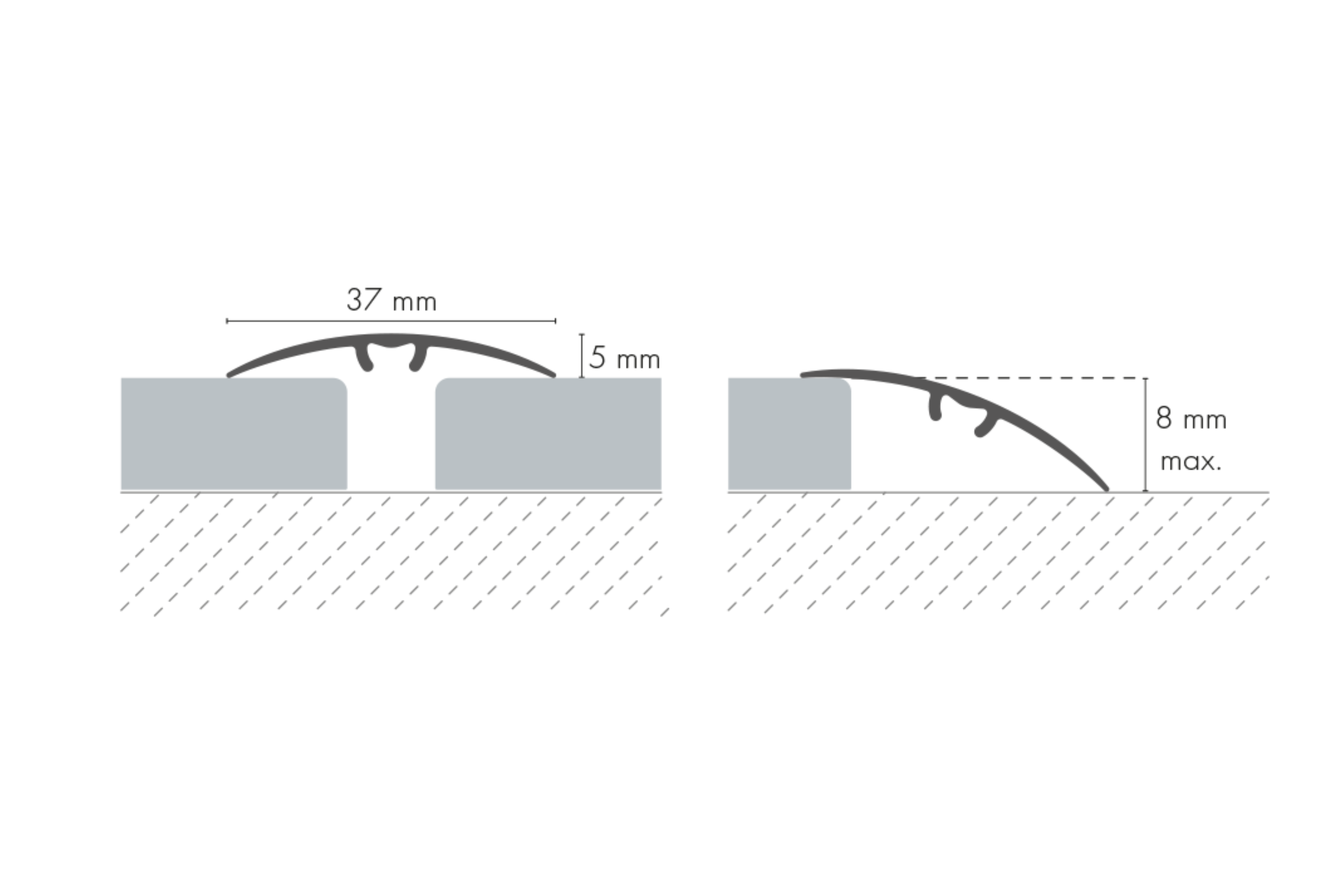
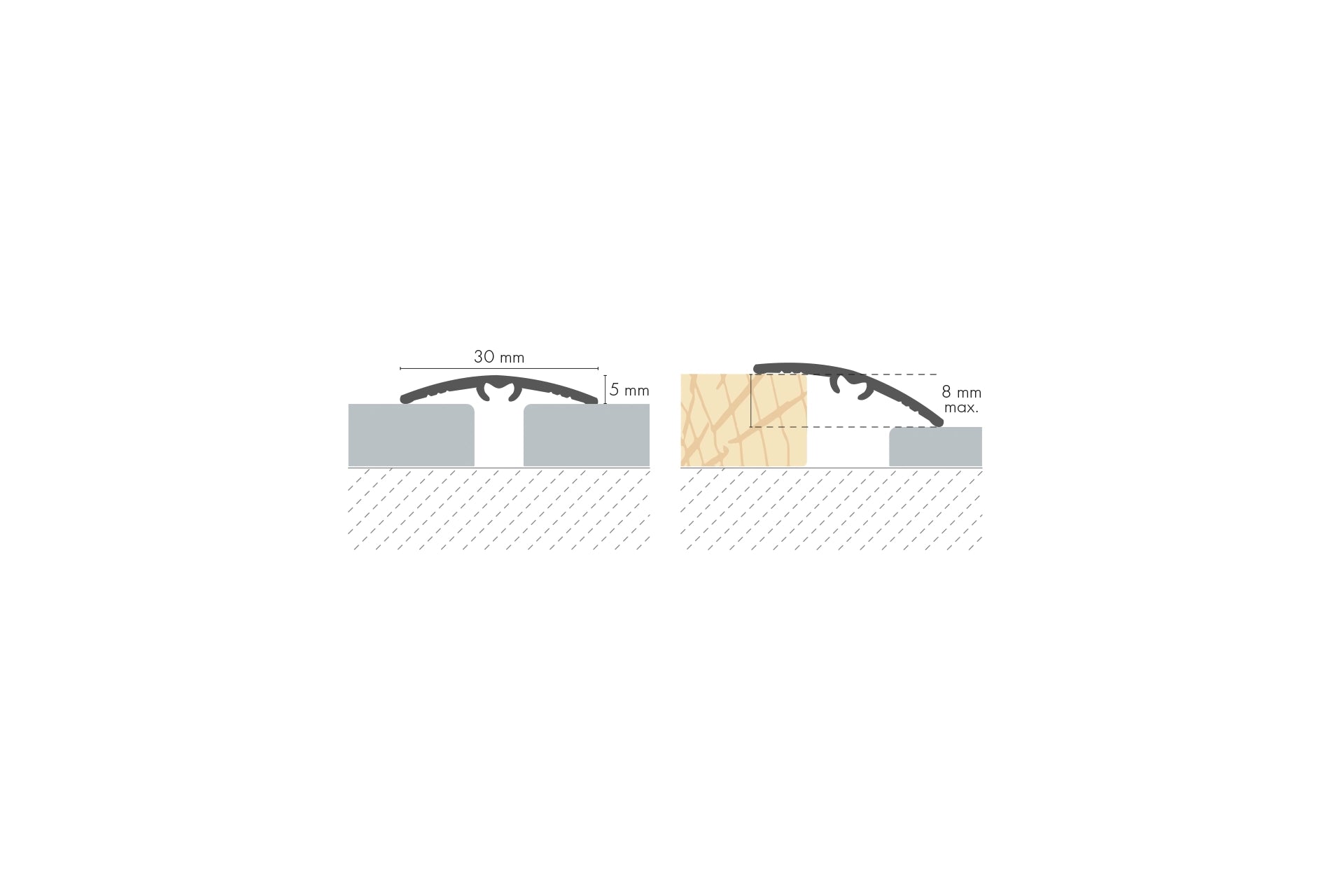
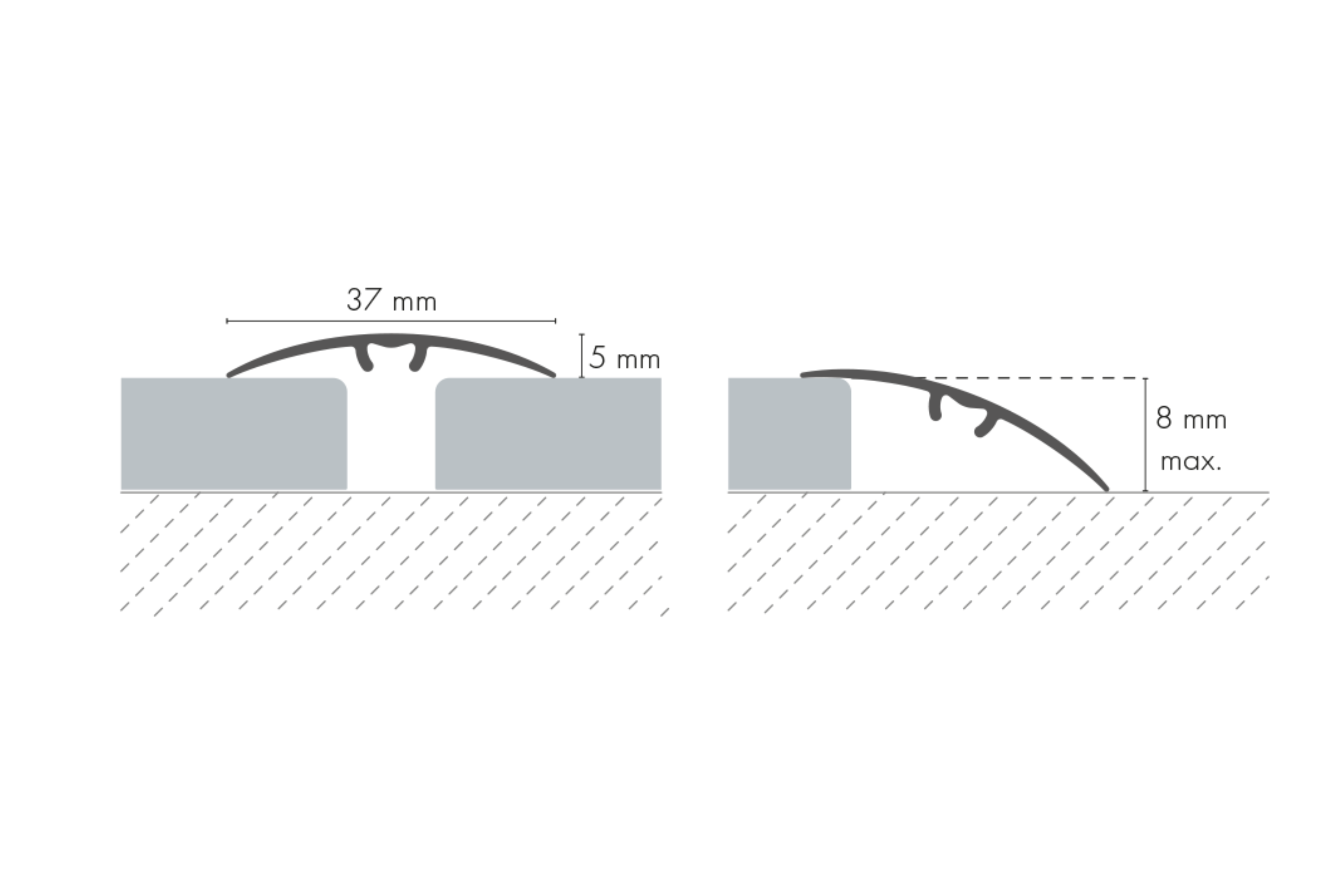
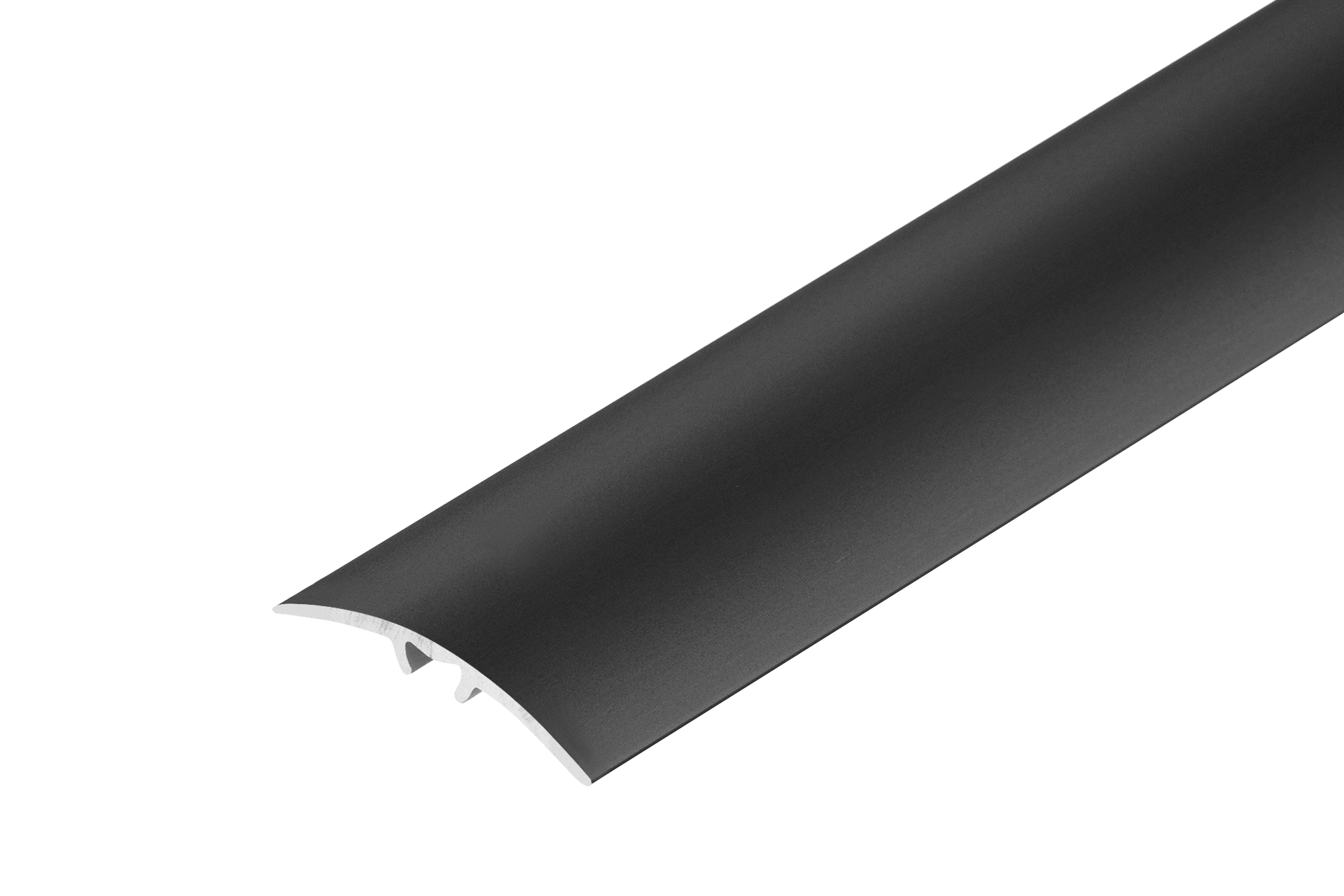
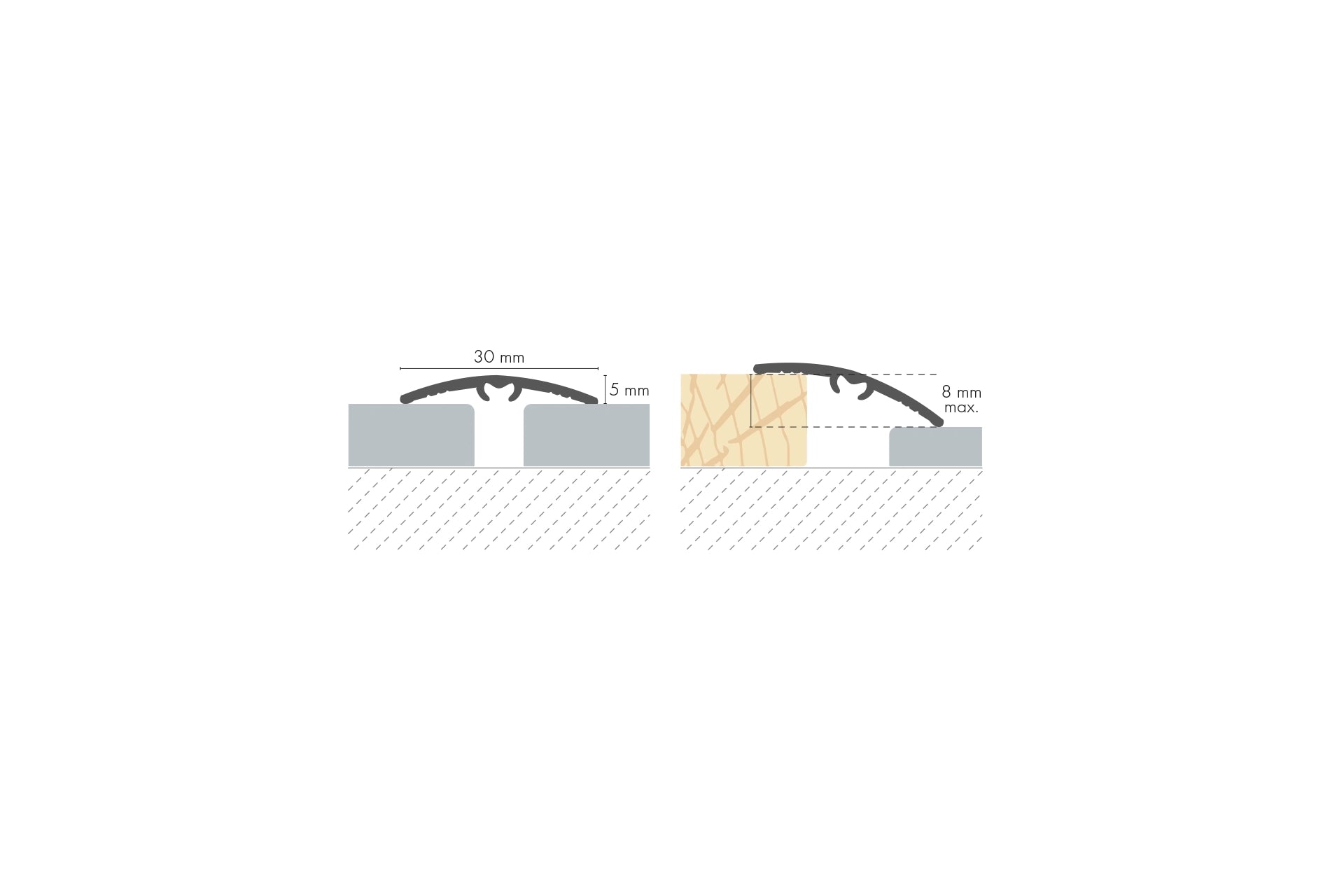
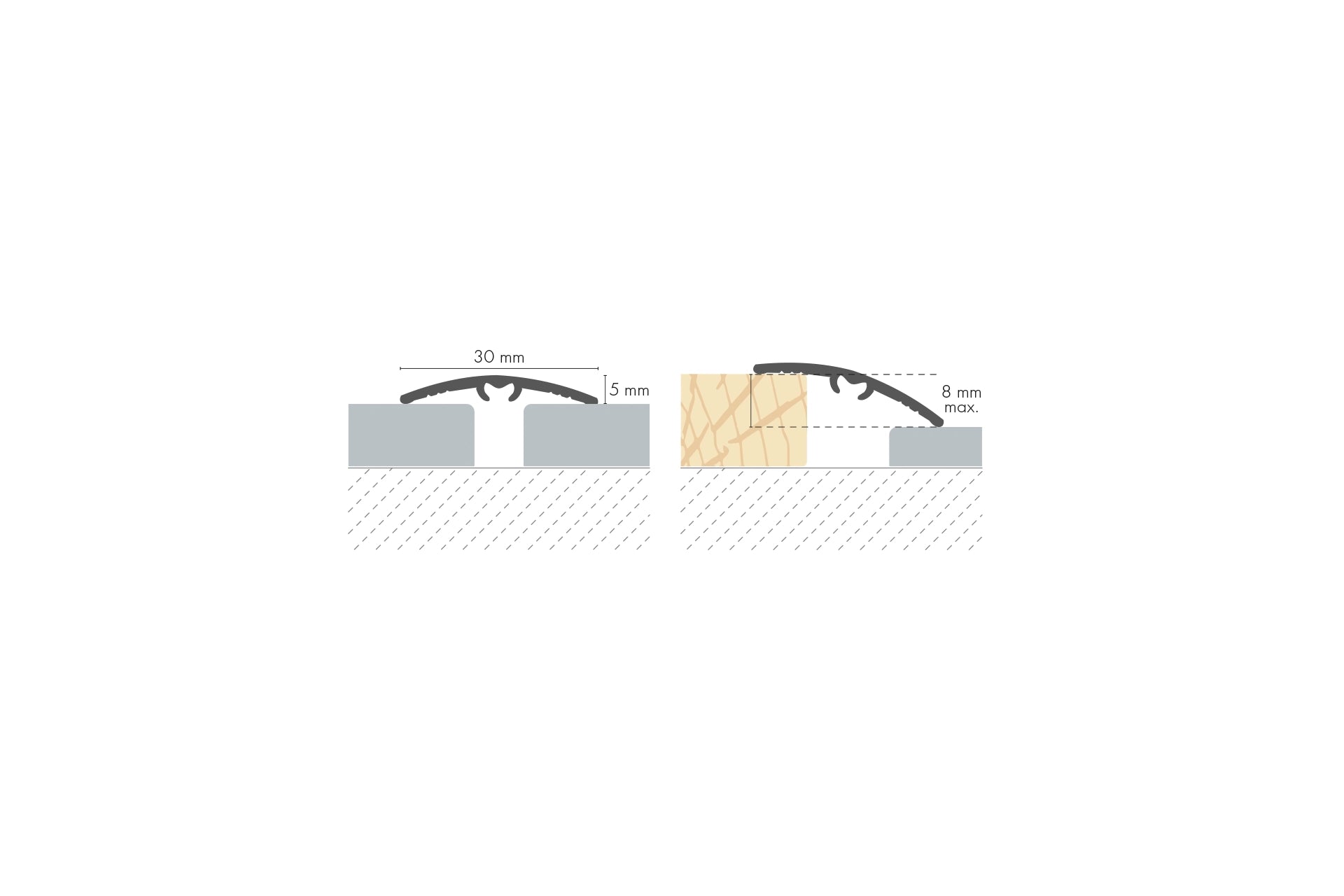
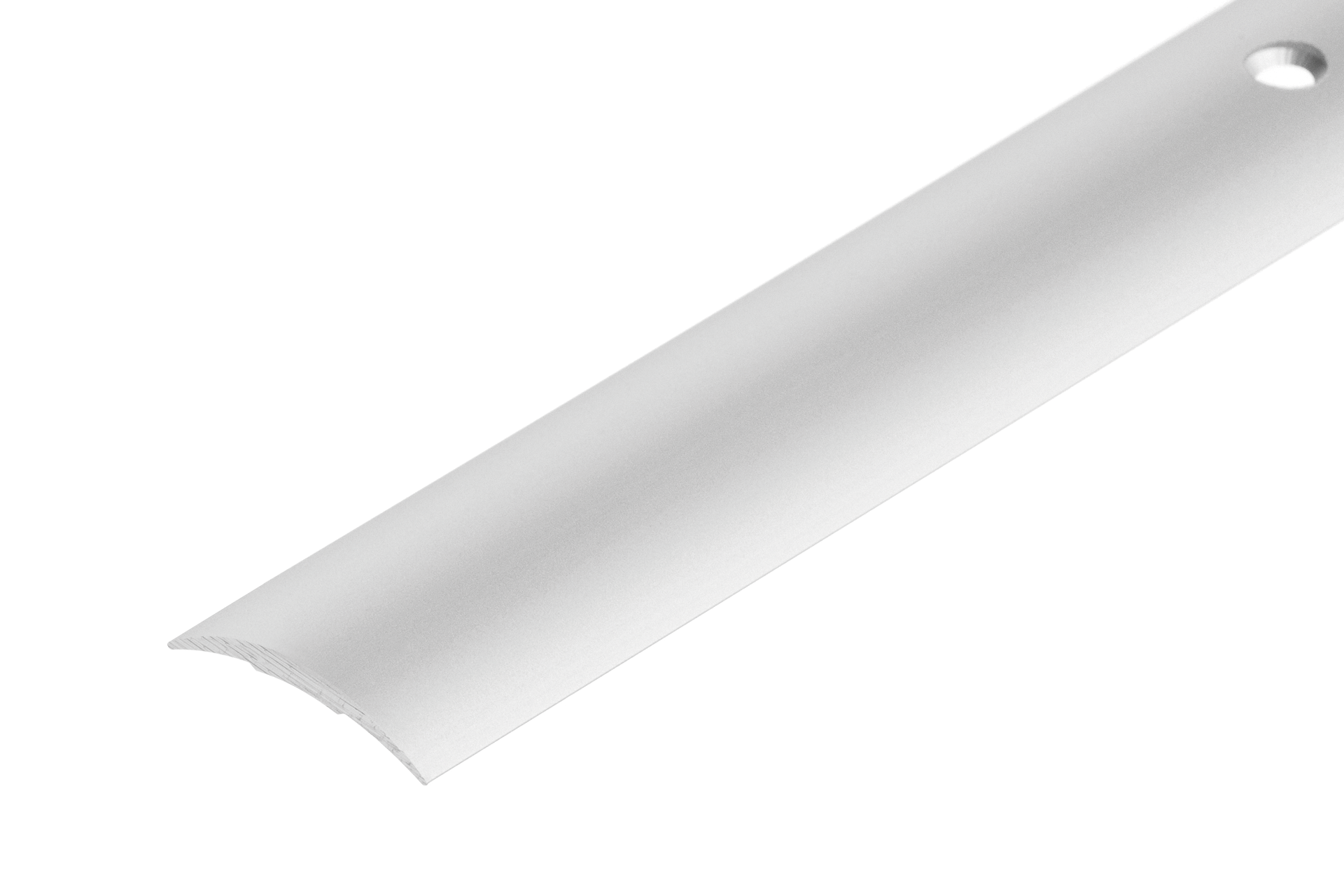
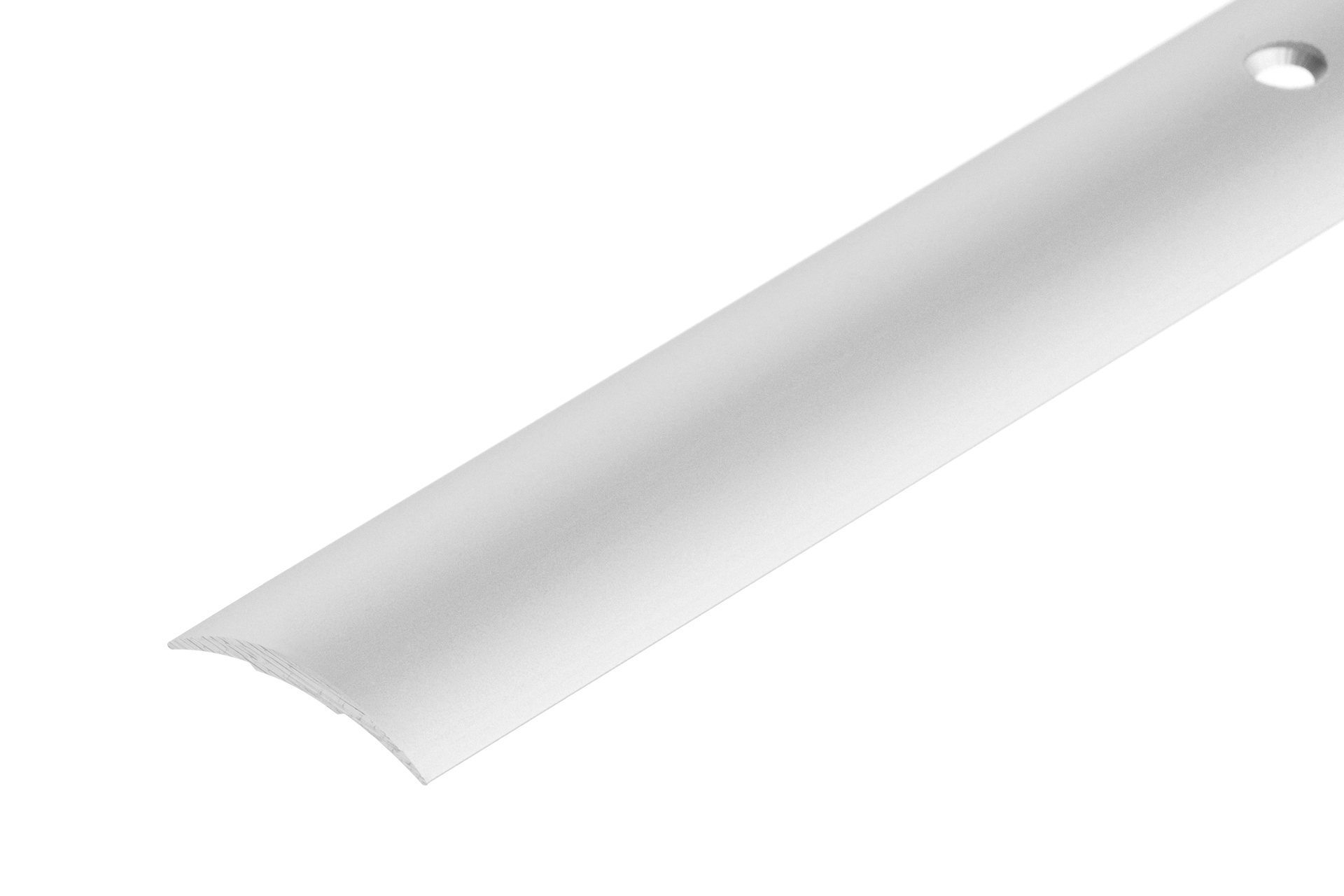
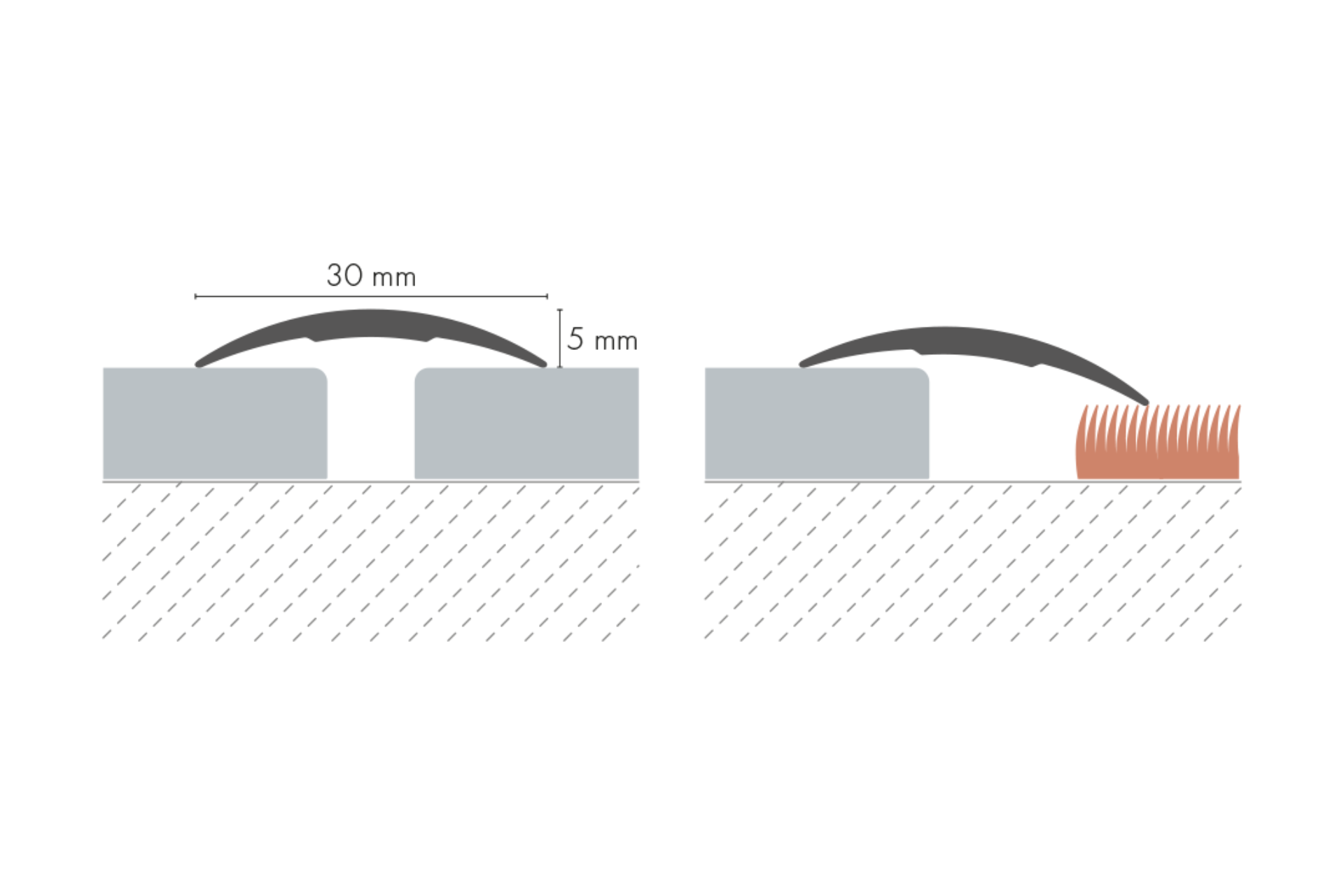
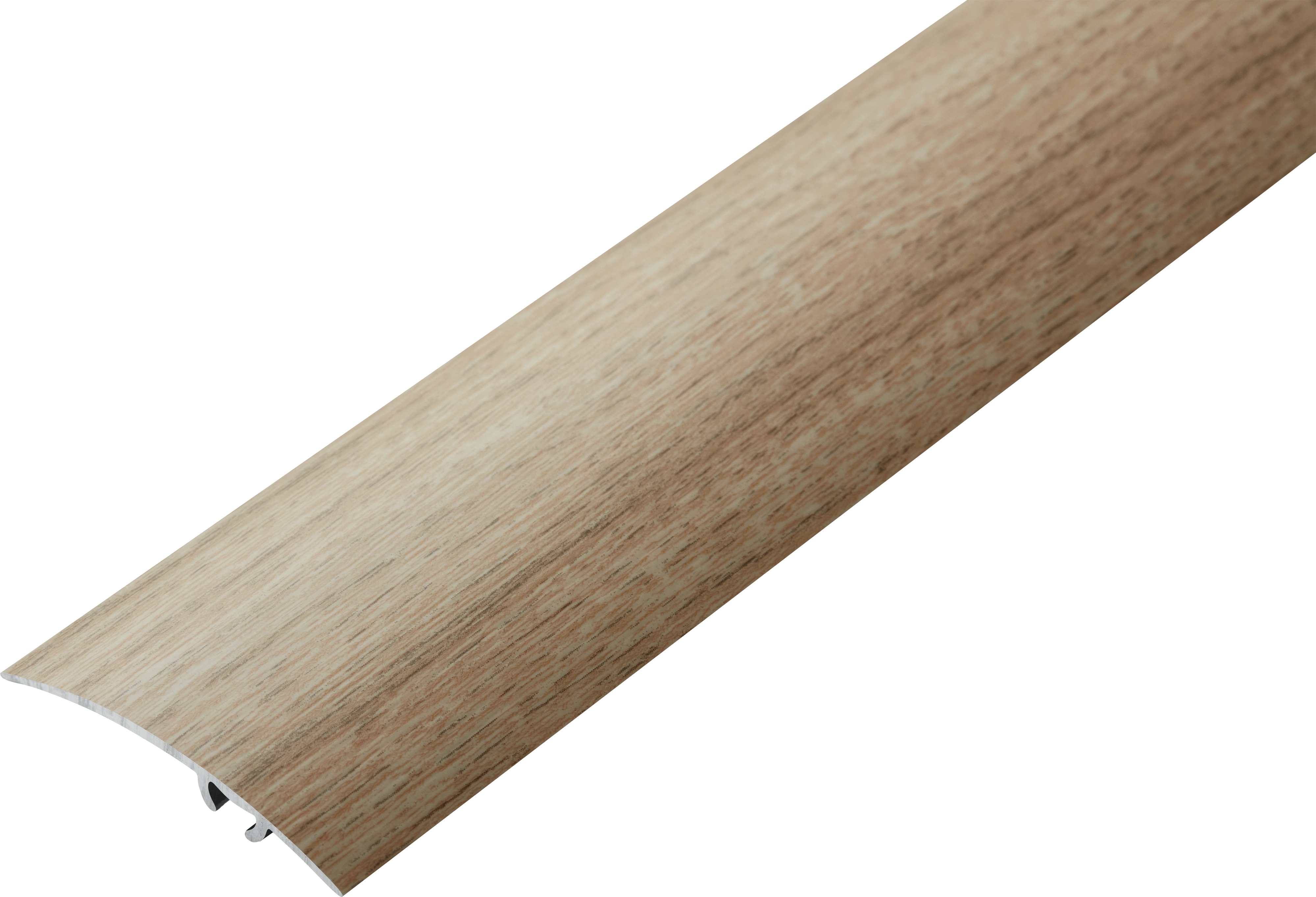
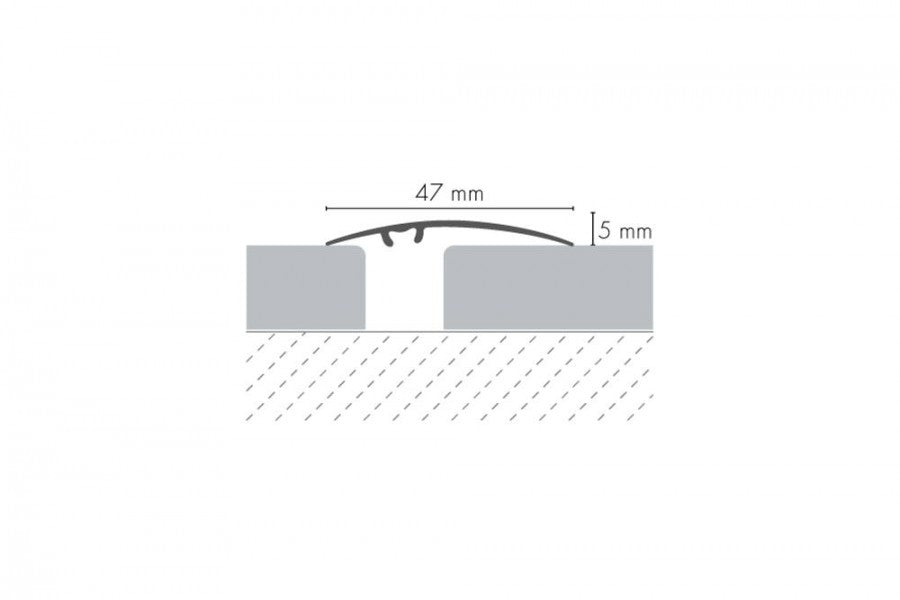
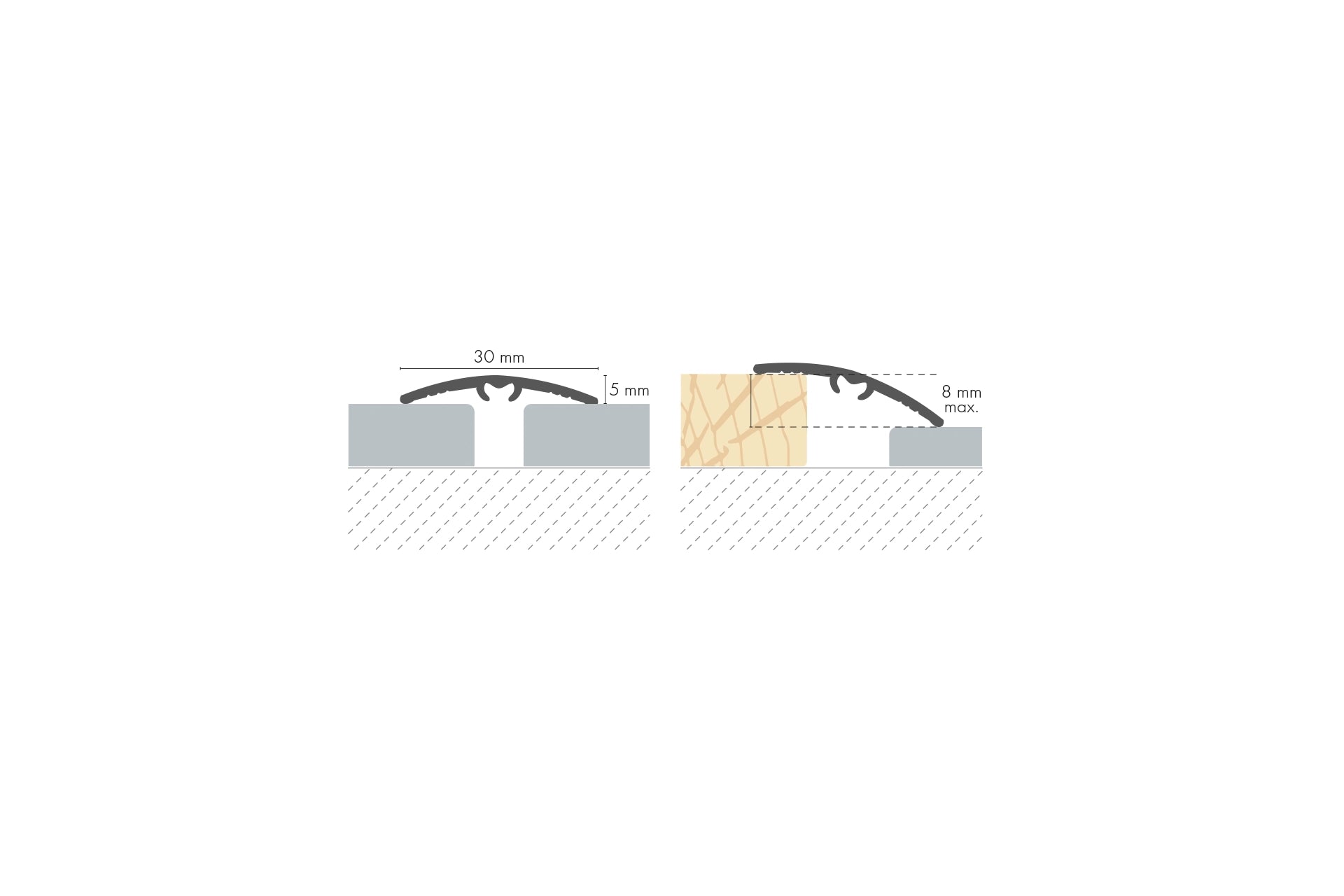
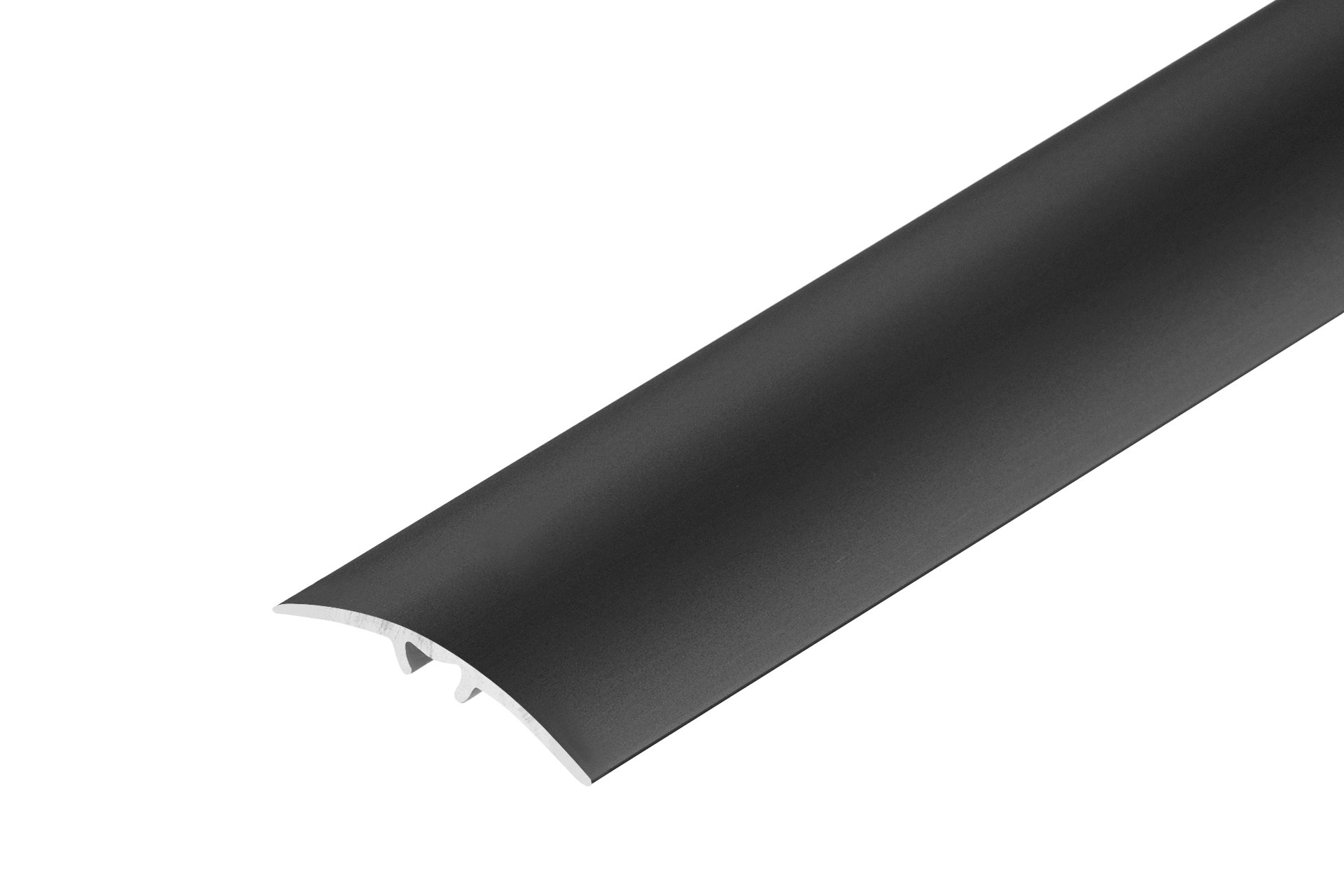
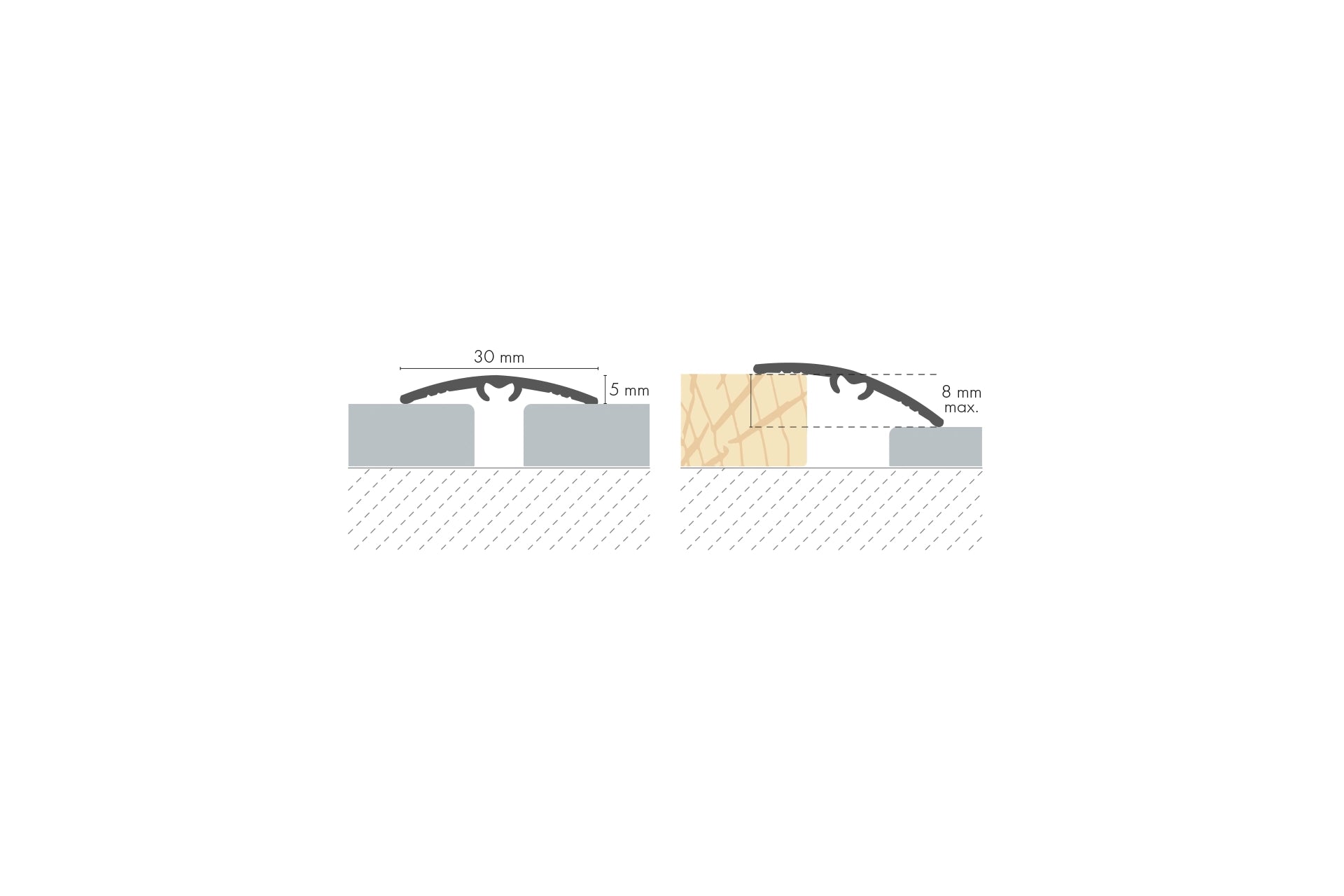
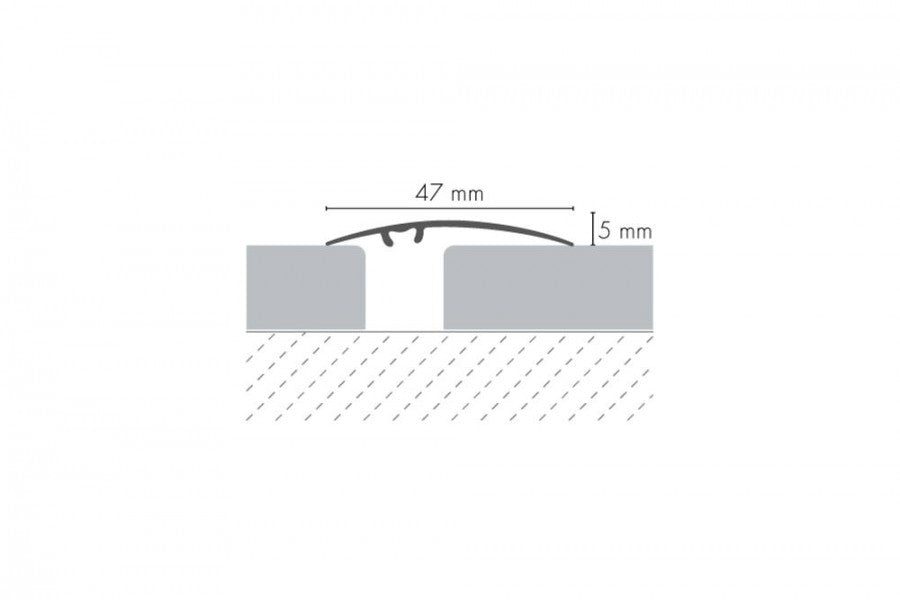
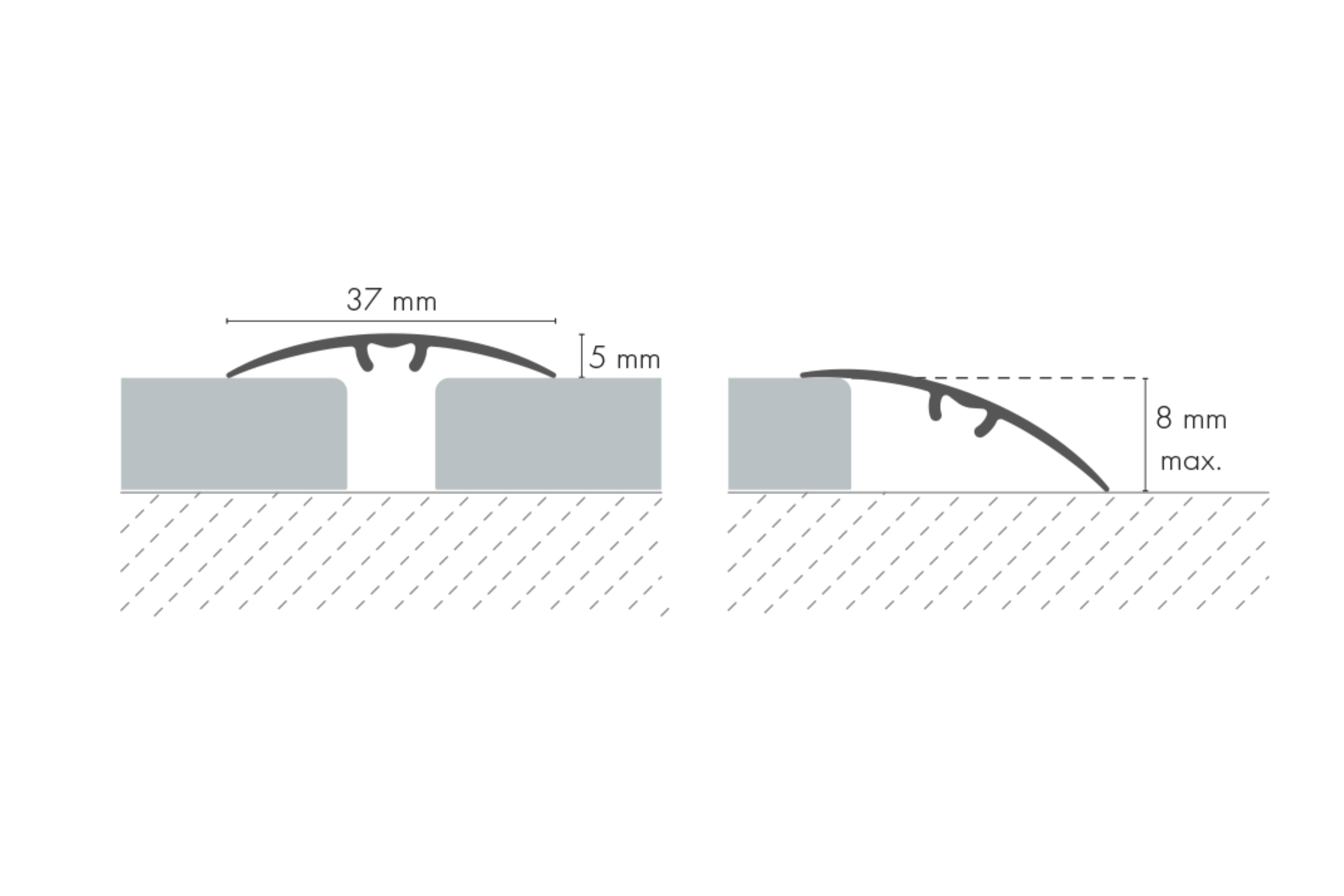
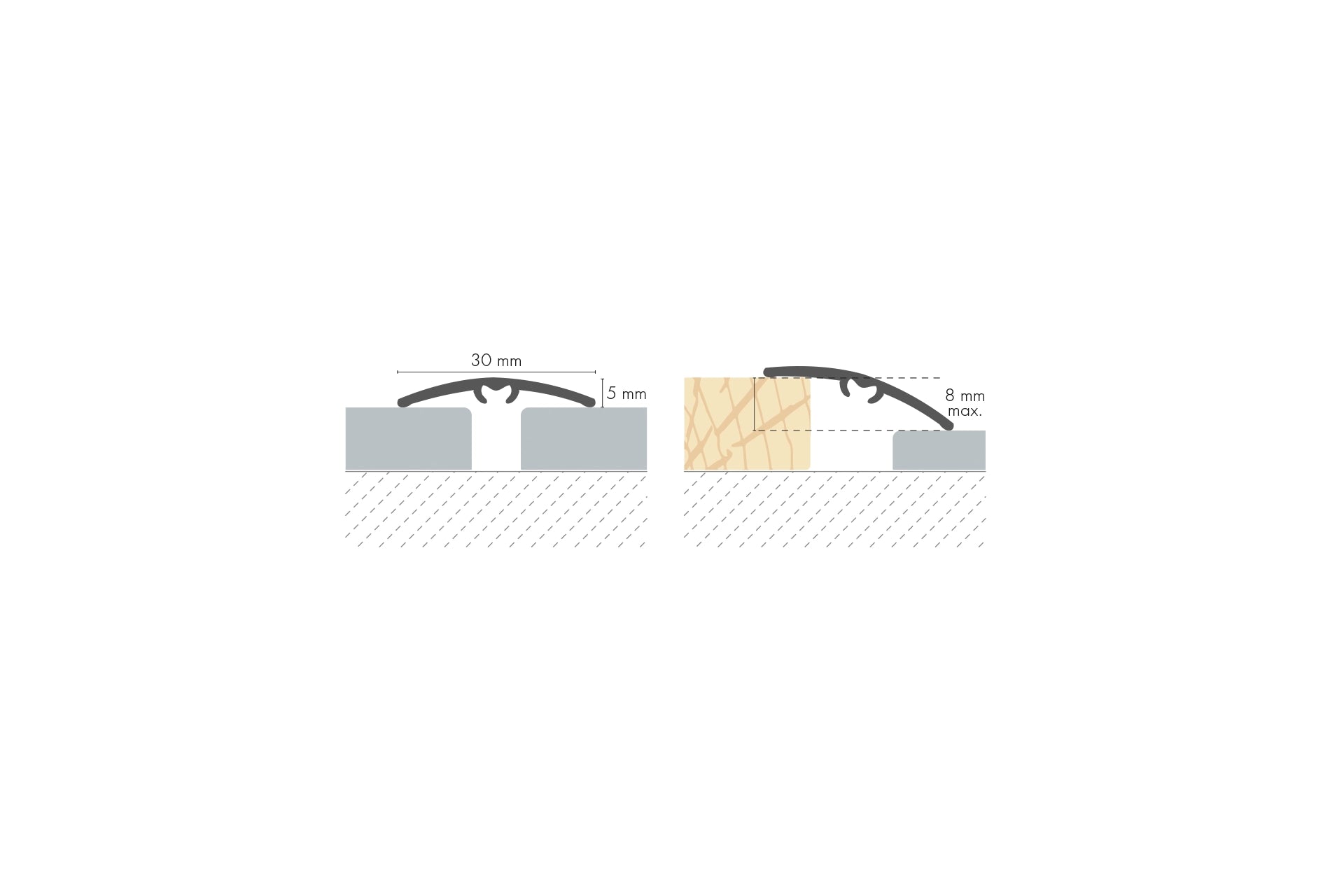
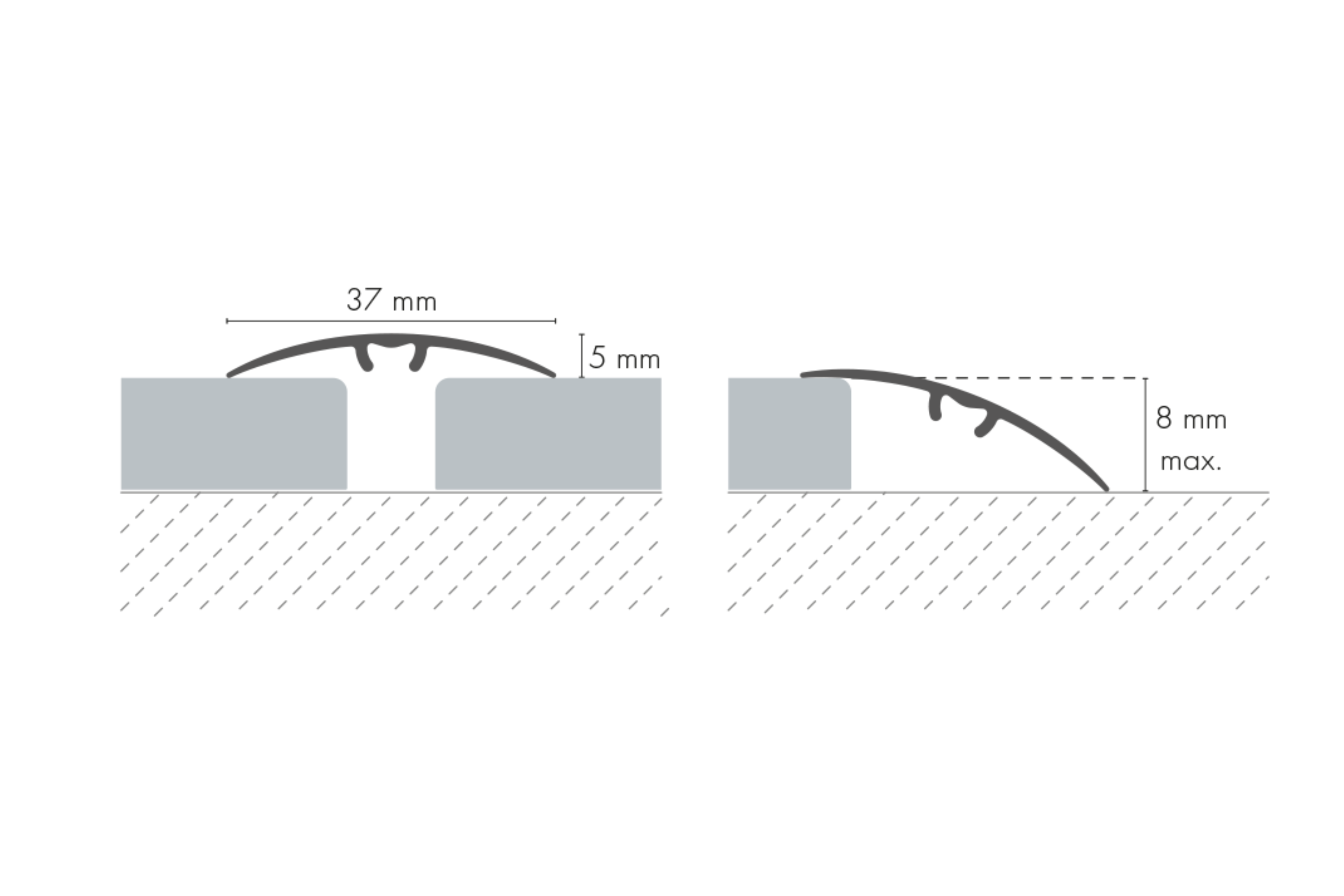
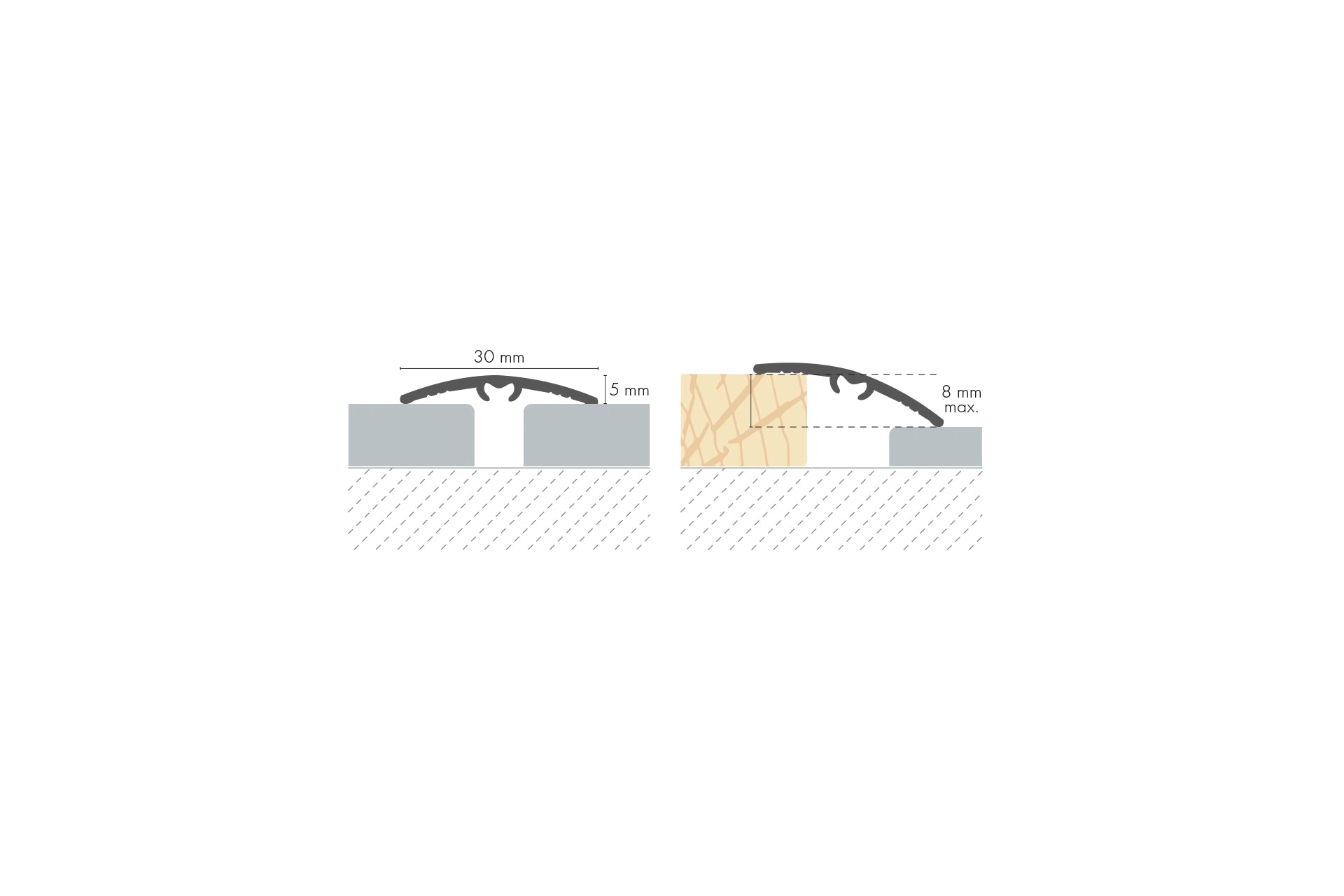
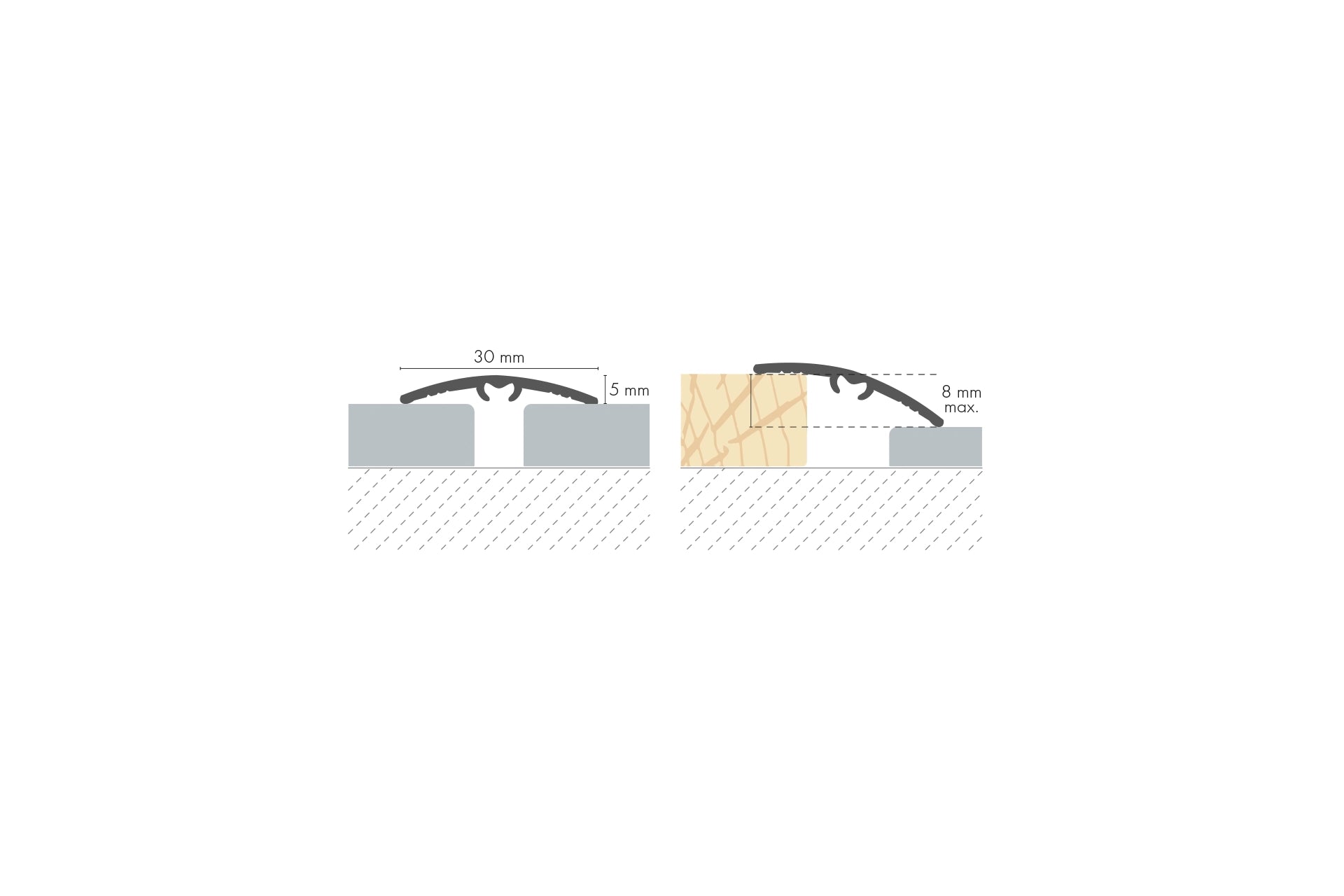
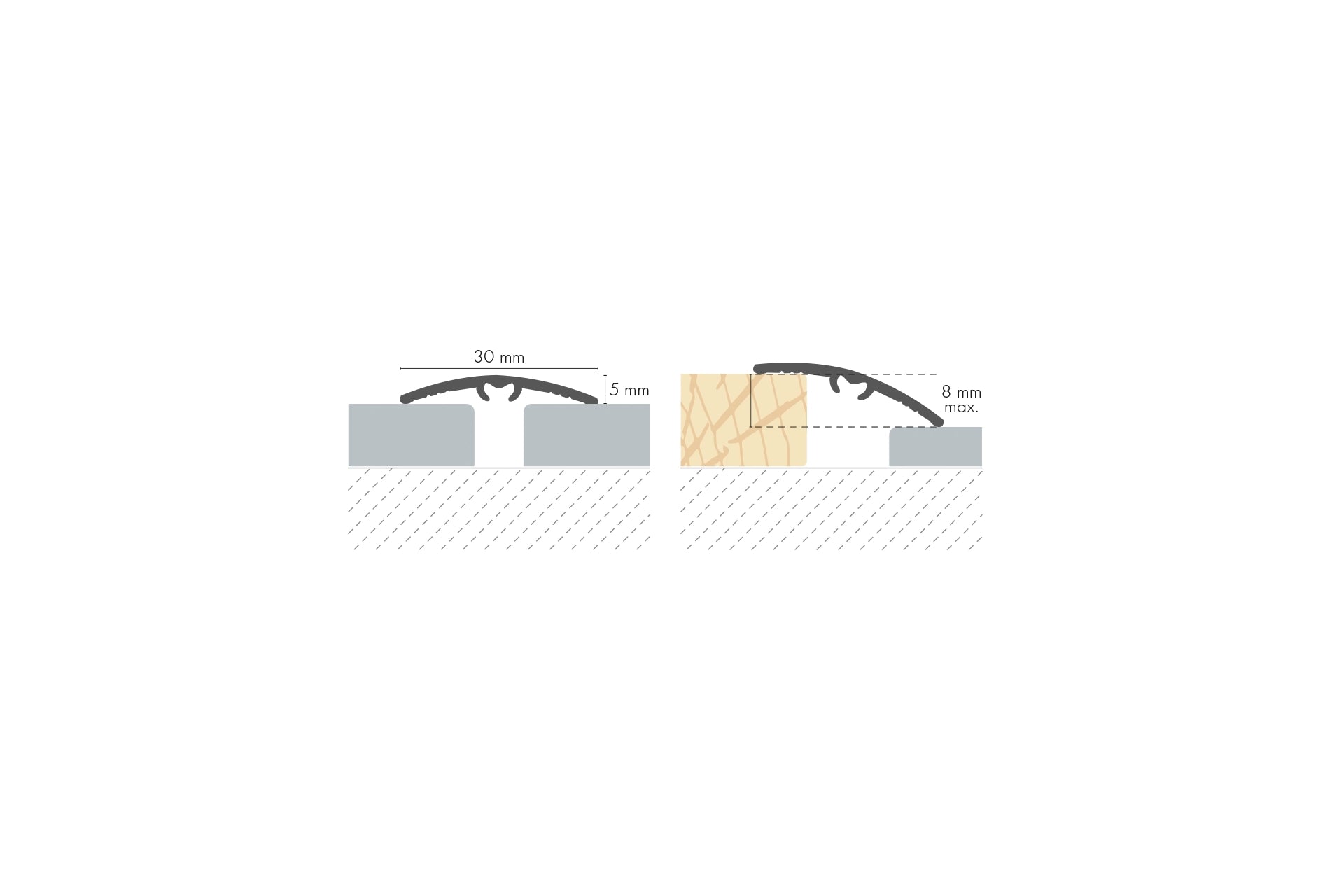
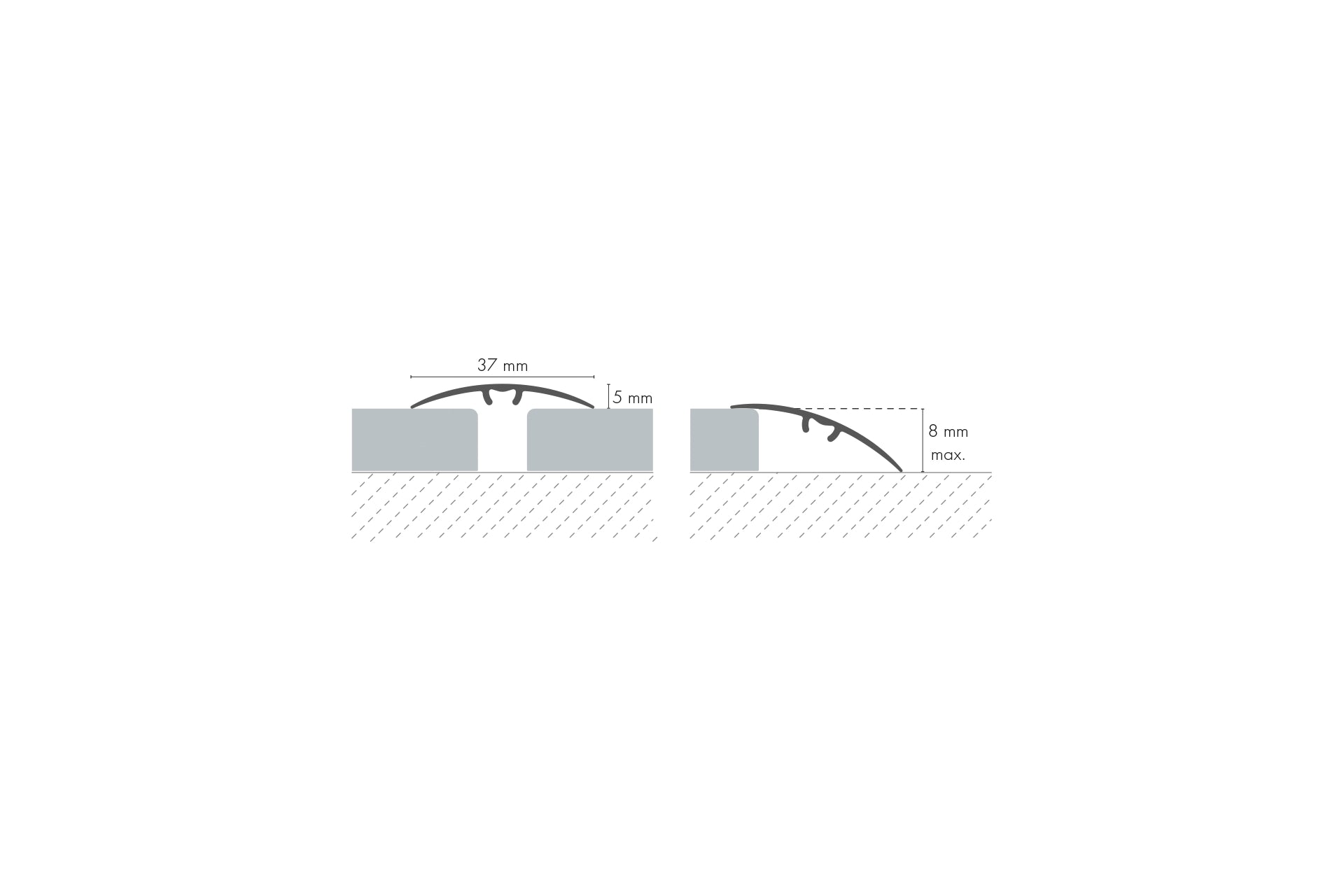
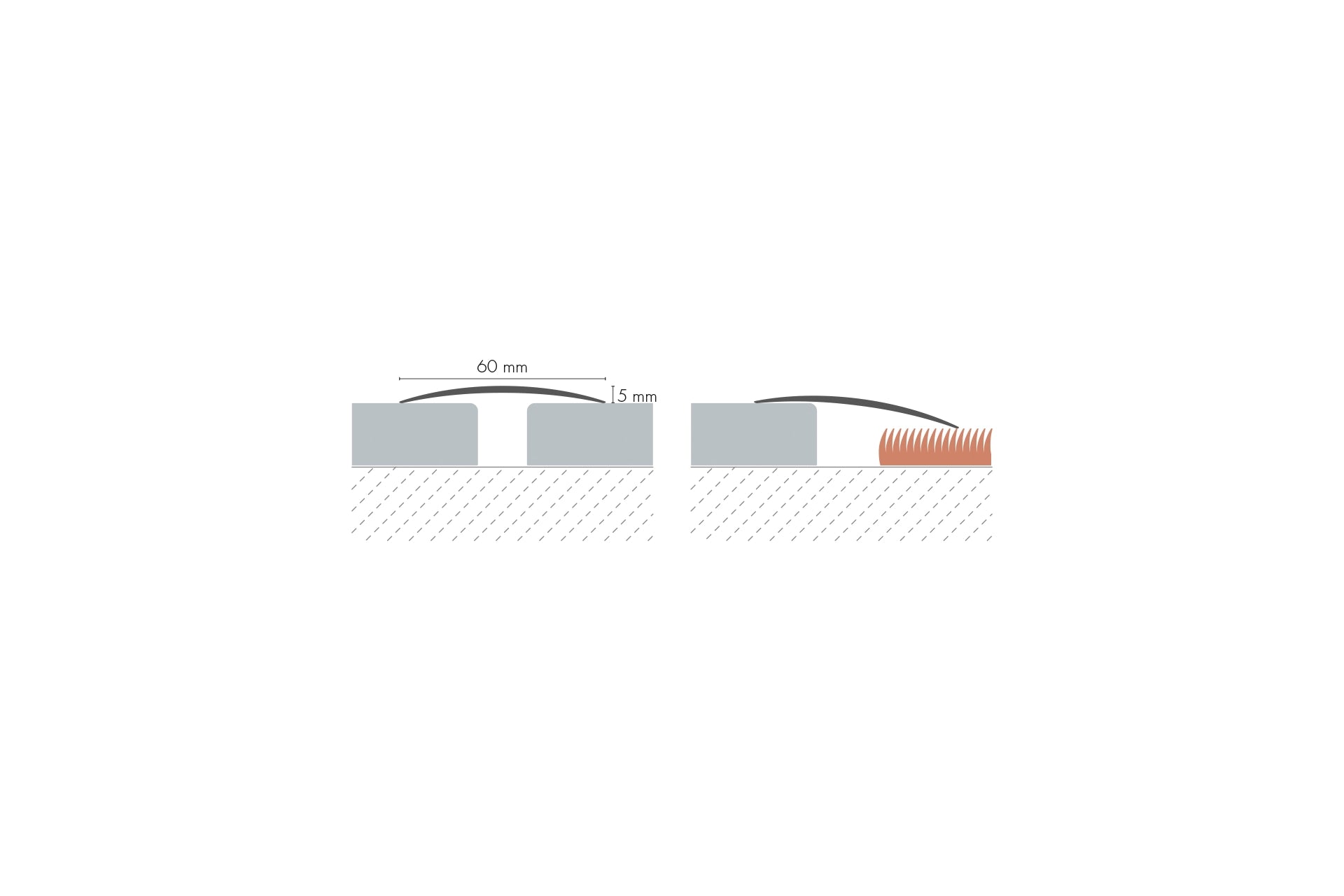
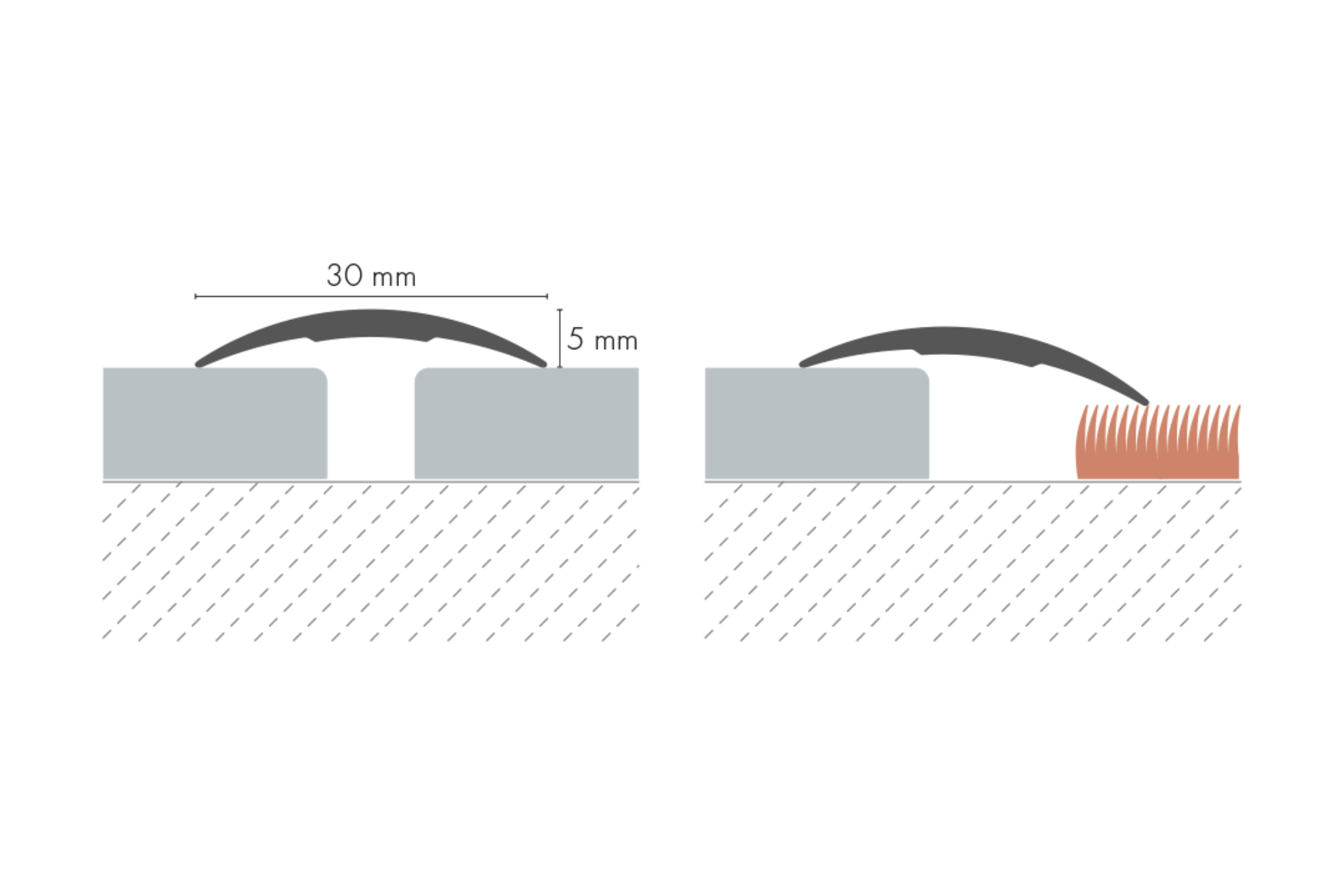
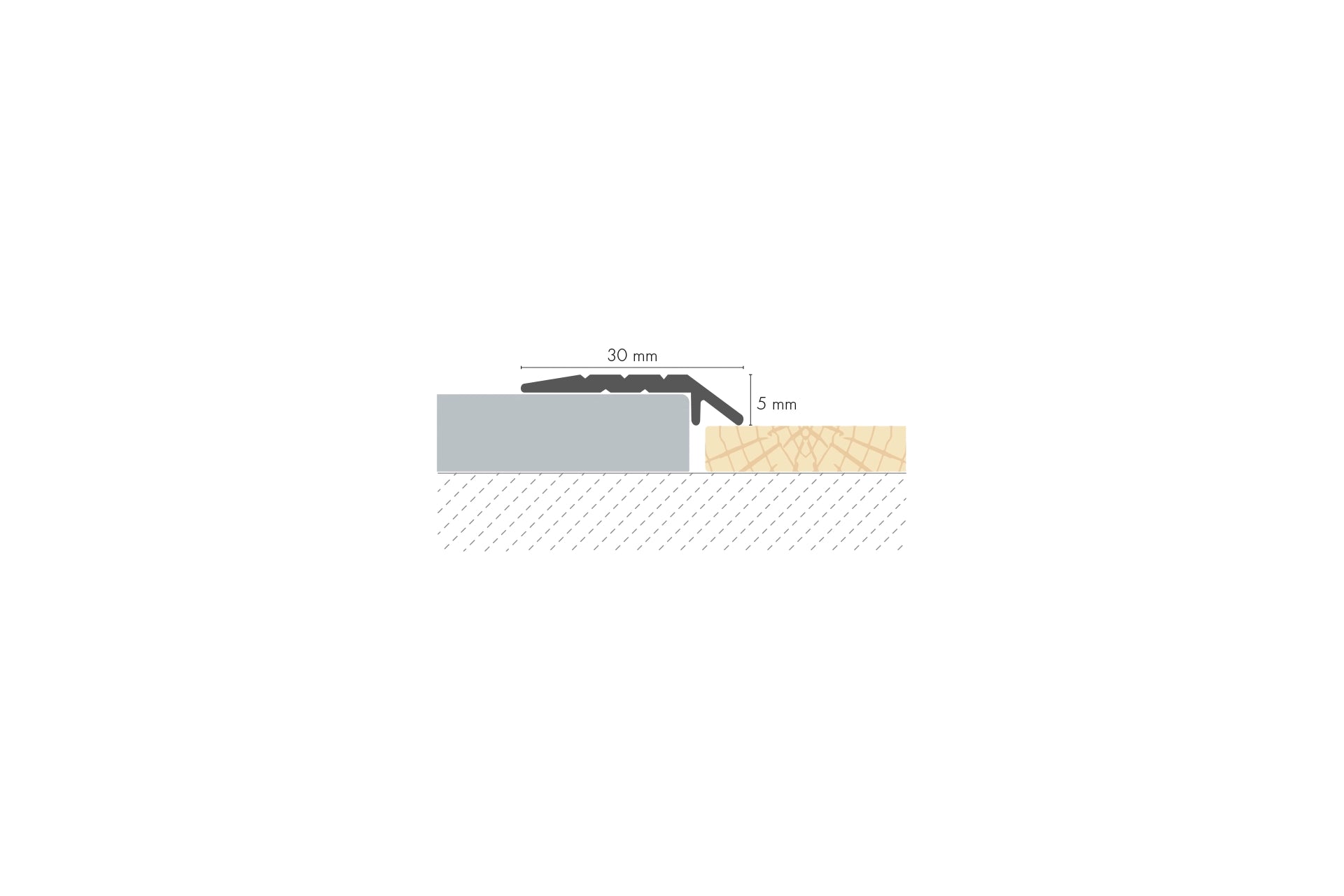
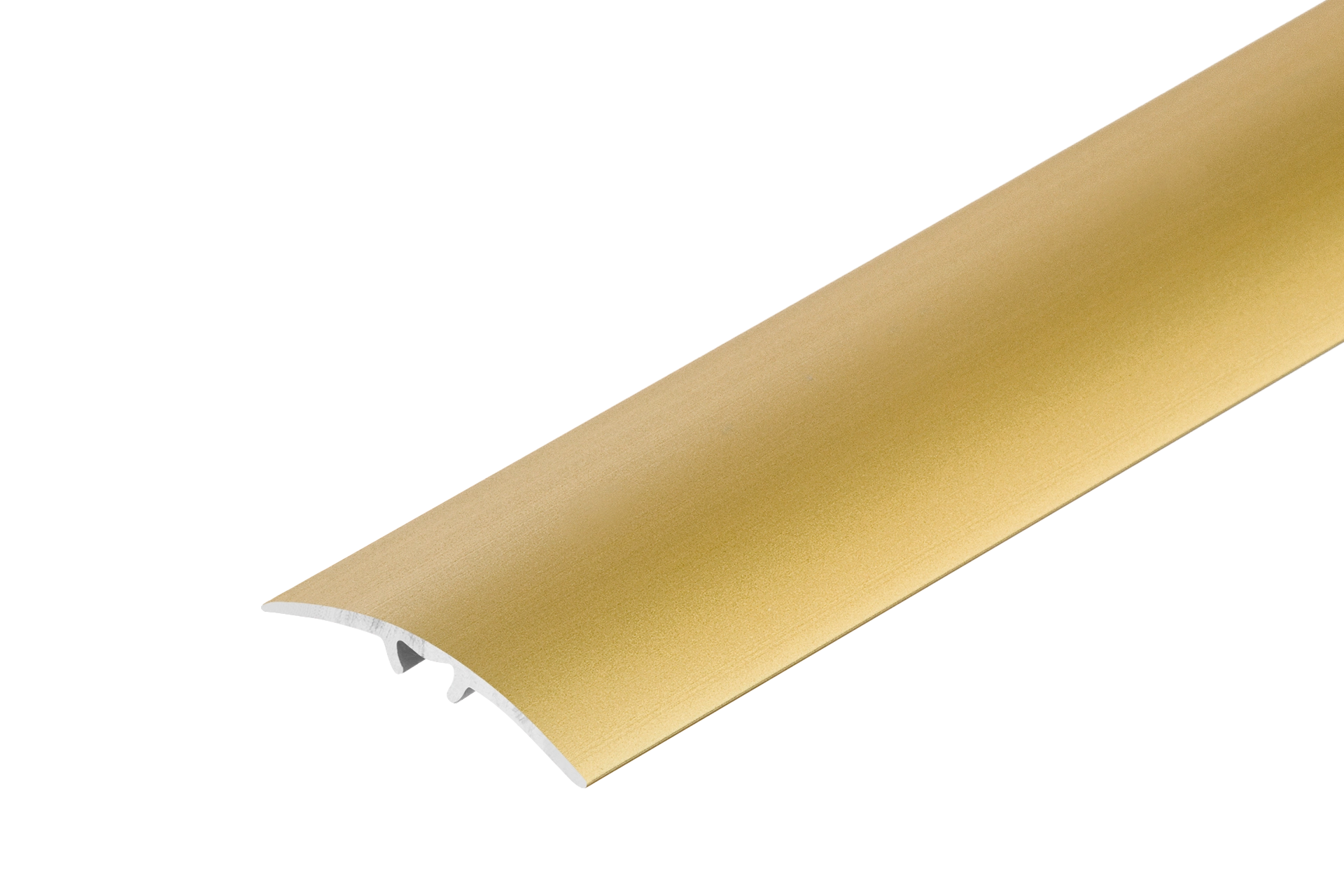
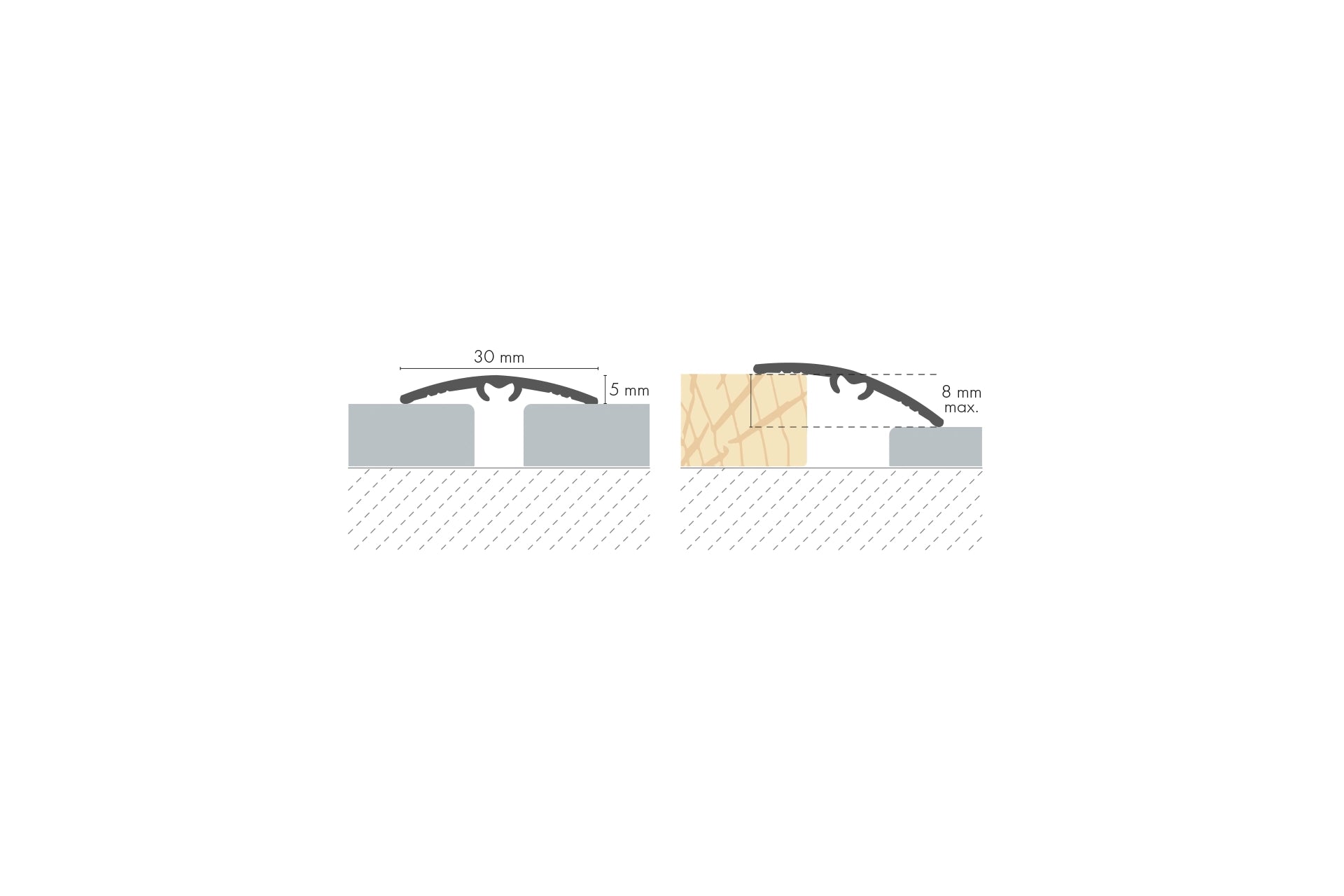
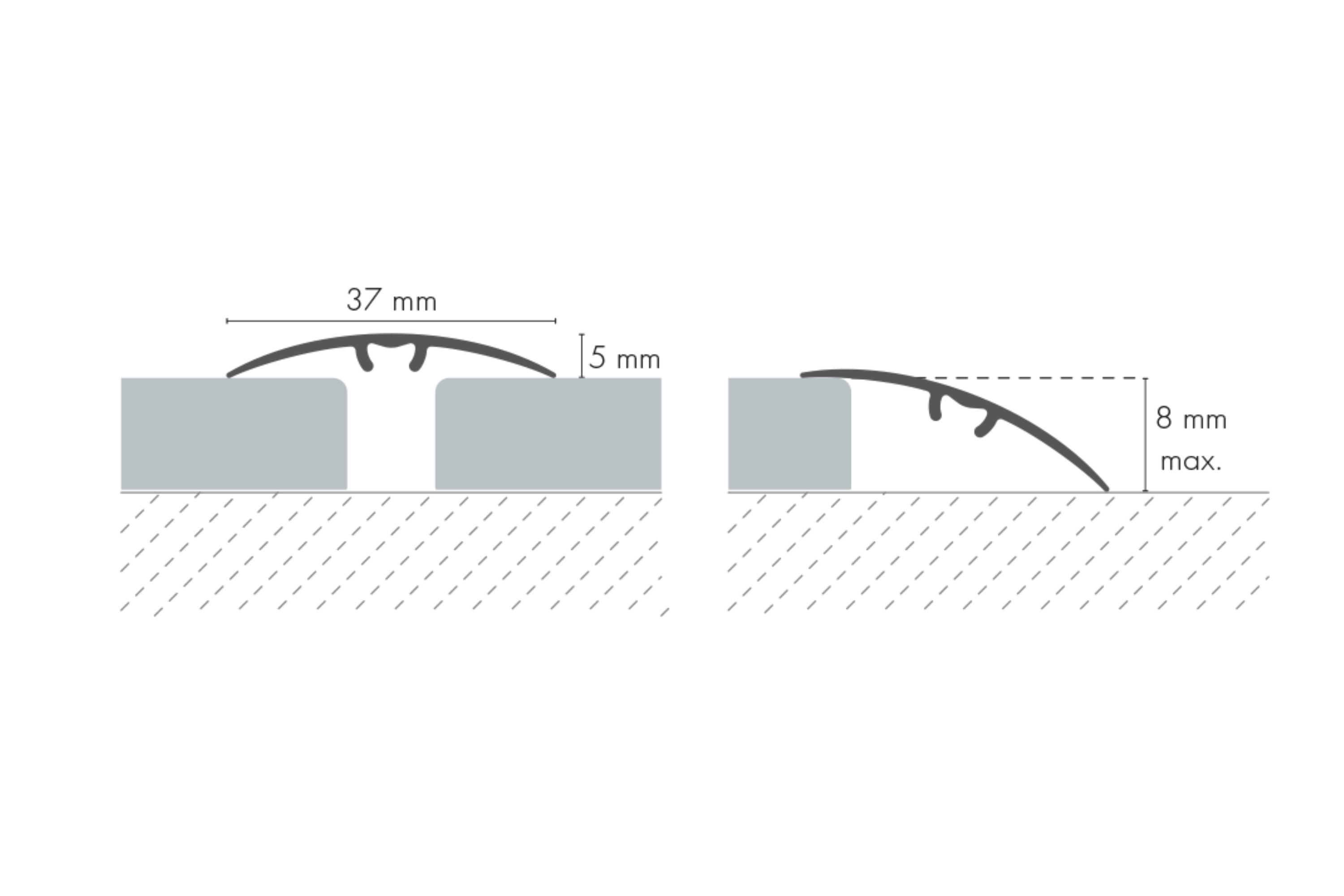
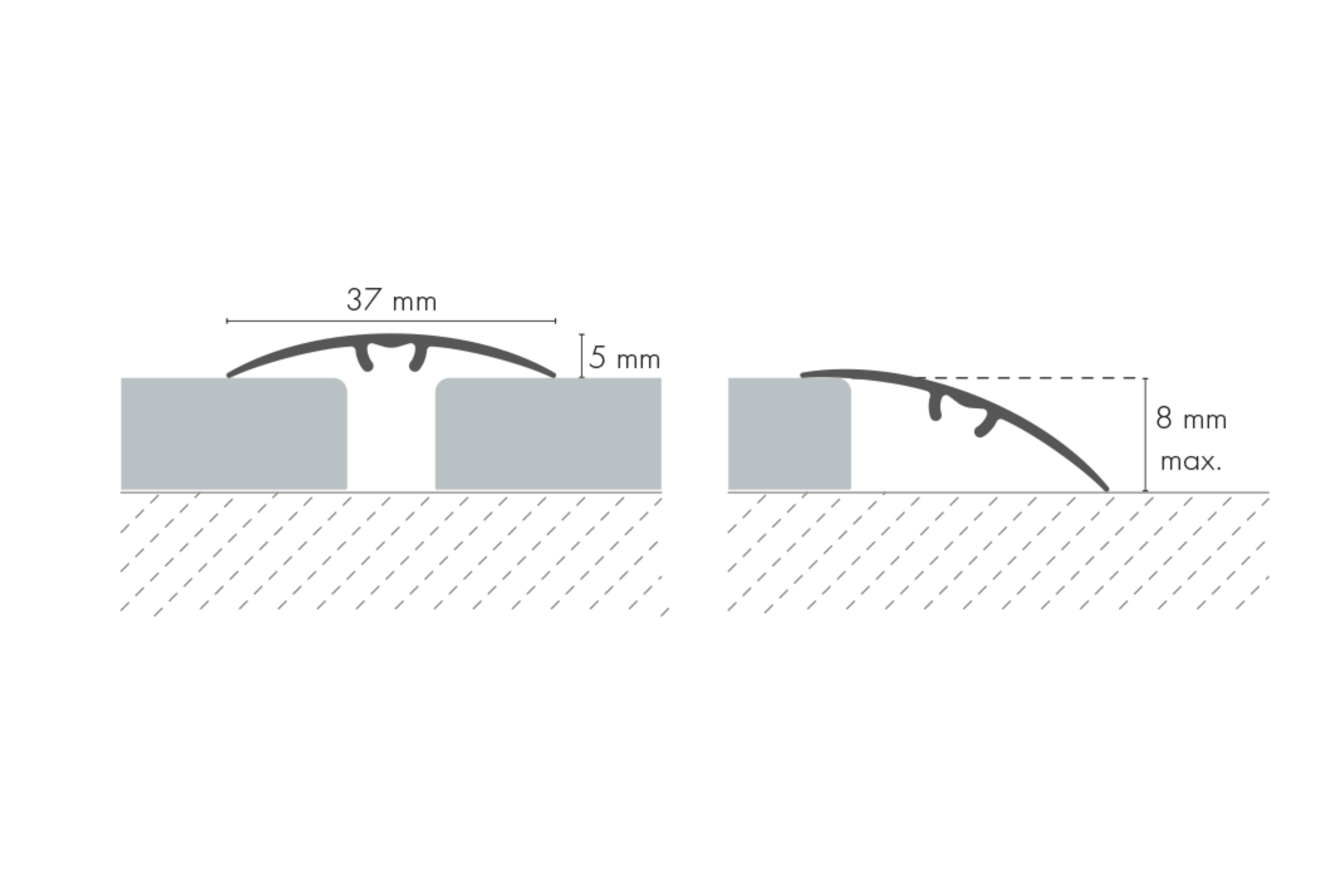
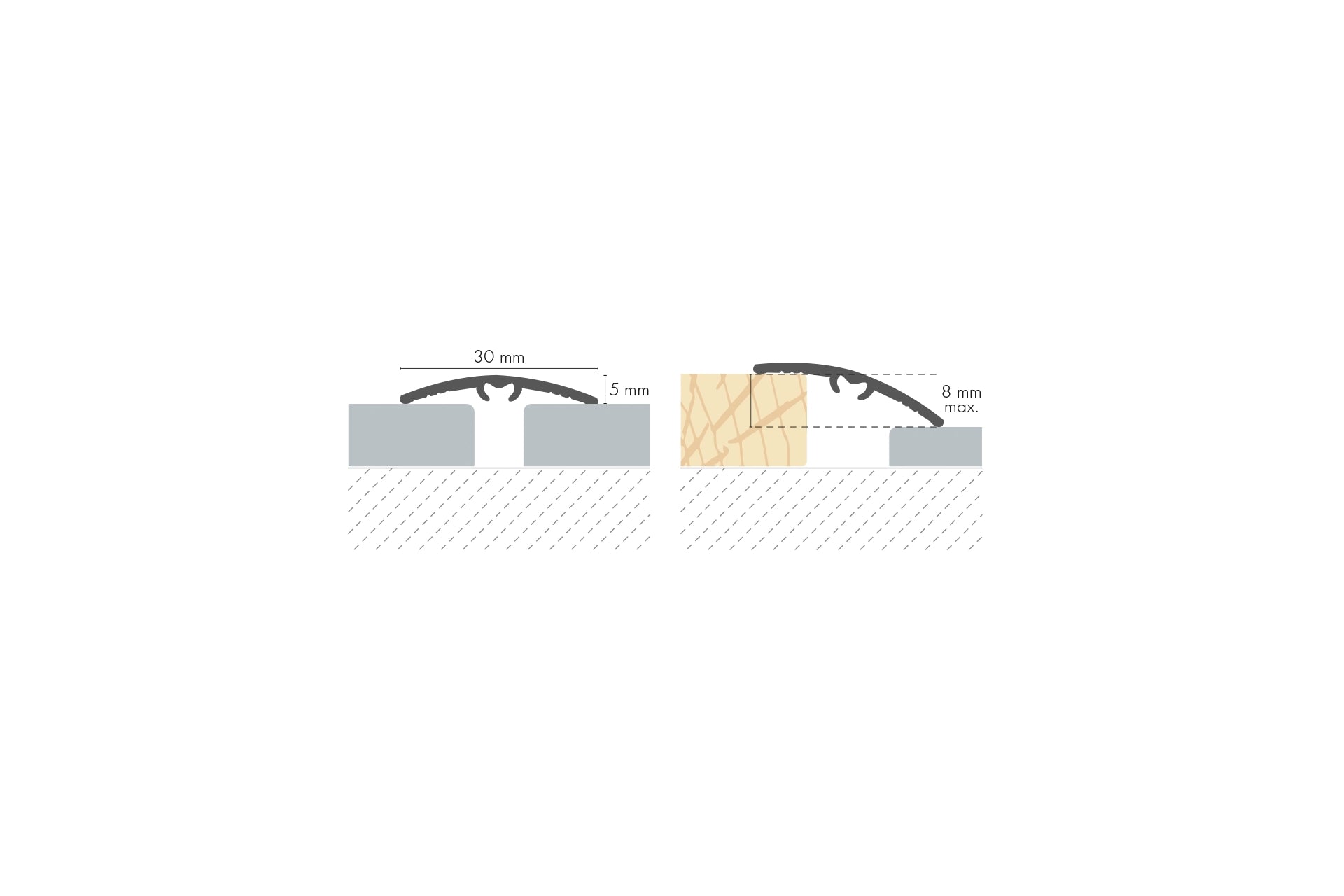
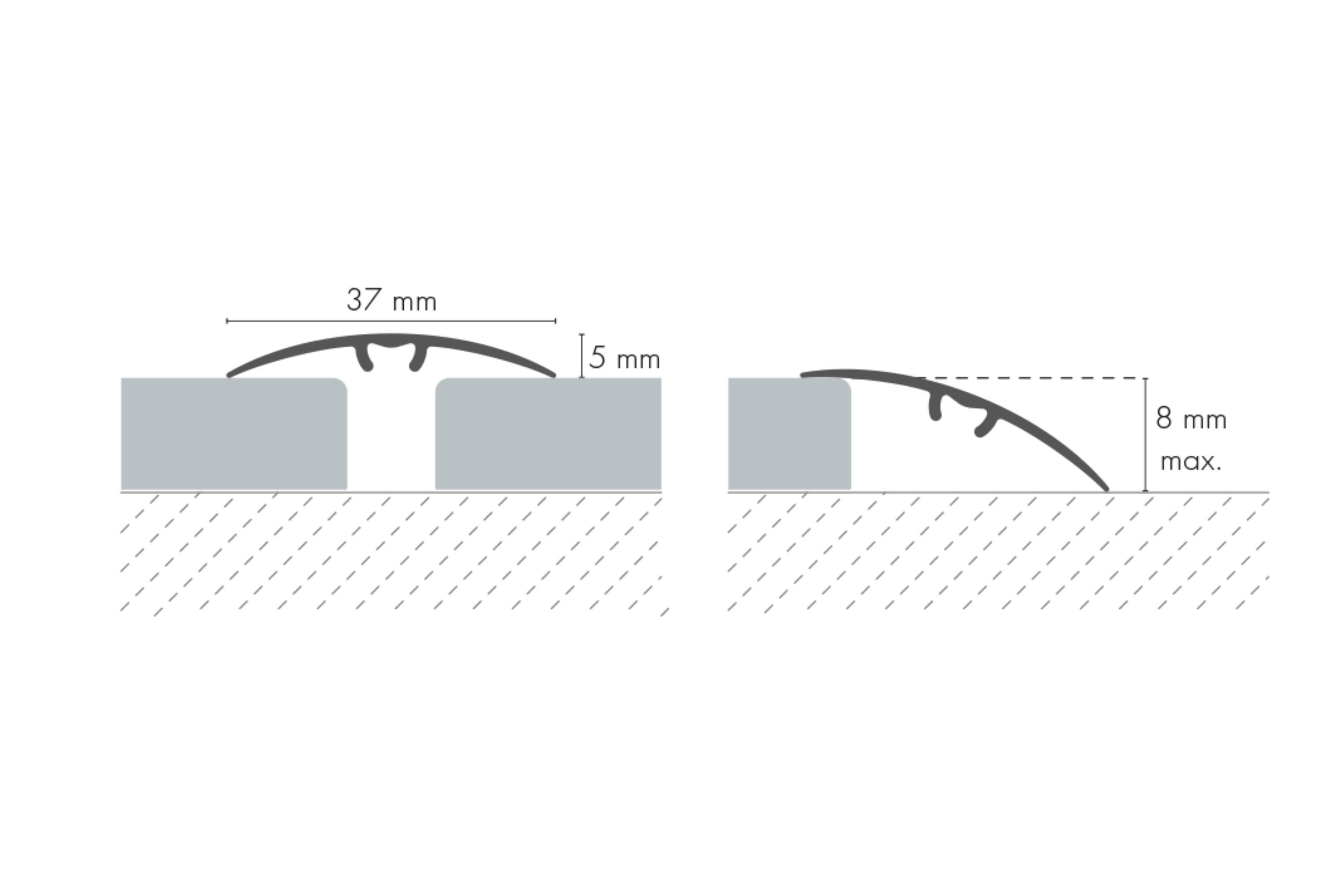
- 5-in-1 oval profiles - a universal aluminum threshold profile that can be used as a connecting threshold strip, a leveling strip, a threshold cover, an expansion joint cover, or an element for finishing stair thresholds; available in widths such as 30, 37, and 47 mm,
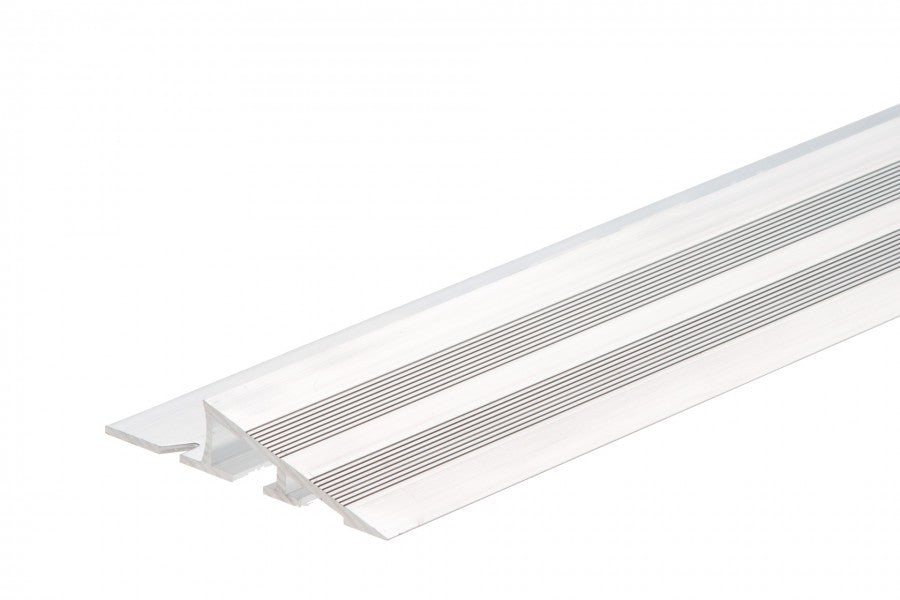
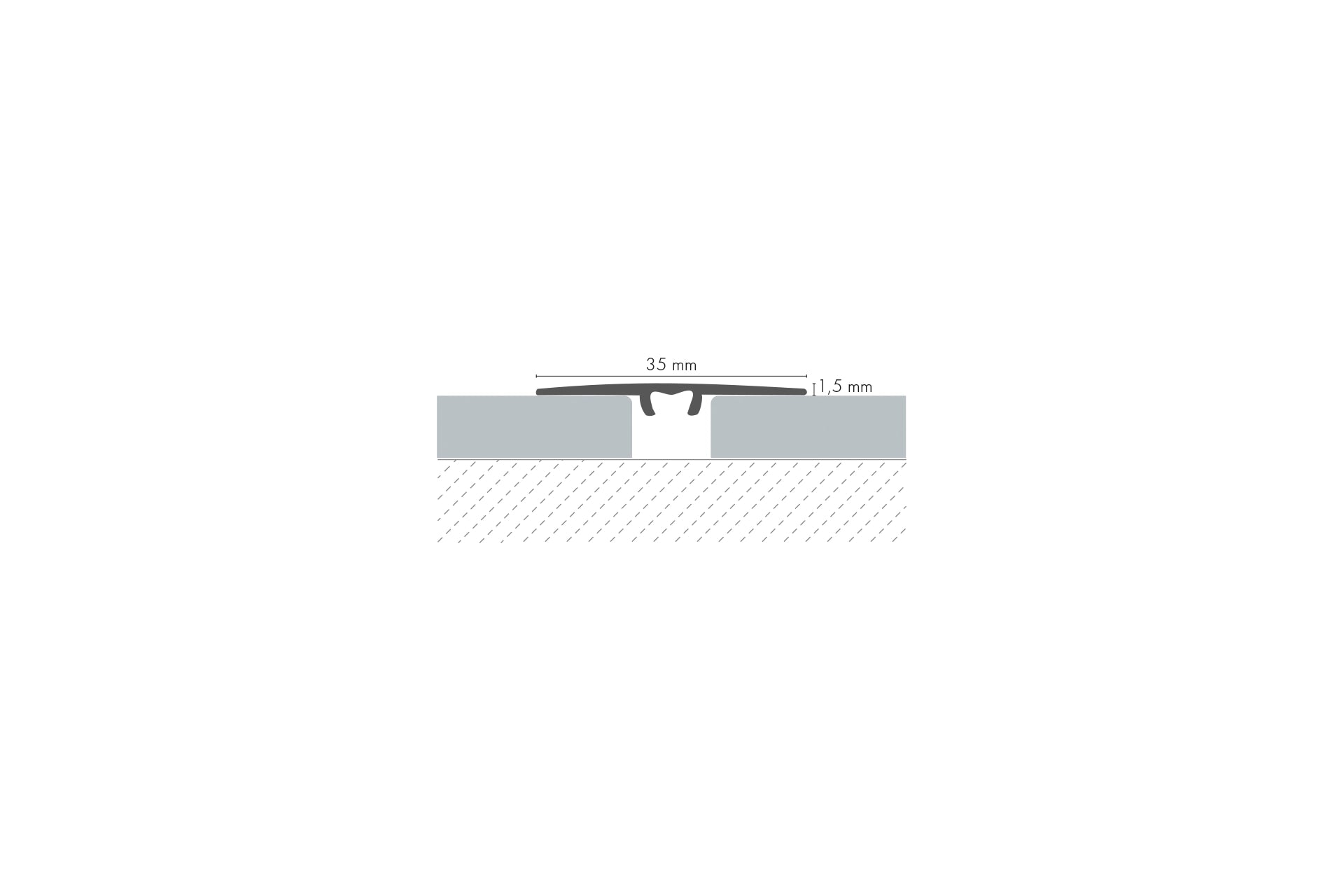
- joint profiles - a narrow aluminum or PVC joint profile, designed for filling expansion gaps and tile joints; available in widths from 14 to 26 mm, in aluminum and PVC,
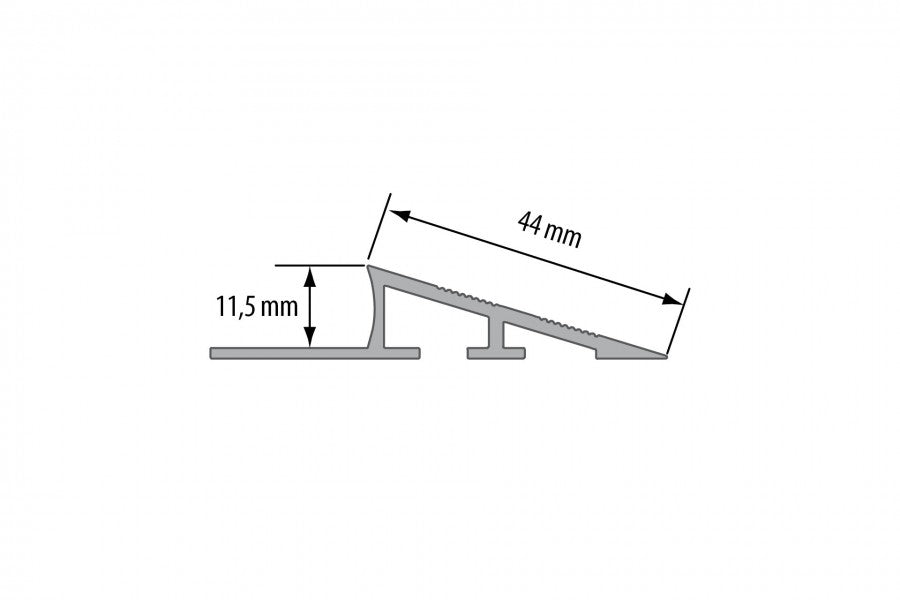
- sloping profiles - an angled threshold strip with a slanted top surface, designed for ramp areas and transitions at exterior doors.
We offer both aluminum threshold strips and PVC profiles, complemented by stair profiles for protecting step edges.
Threshold profiles and height differences – how to choose the right profile
The choice of a threshold strip should be based on the actual floor parameters and its finishing method. Height differences between surfaces directly impact which profile will work best. Color affects visual perception, but the most important thing is to match the construction to the specific situation.
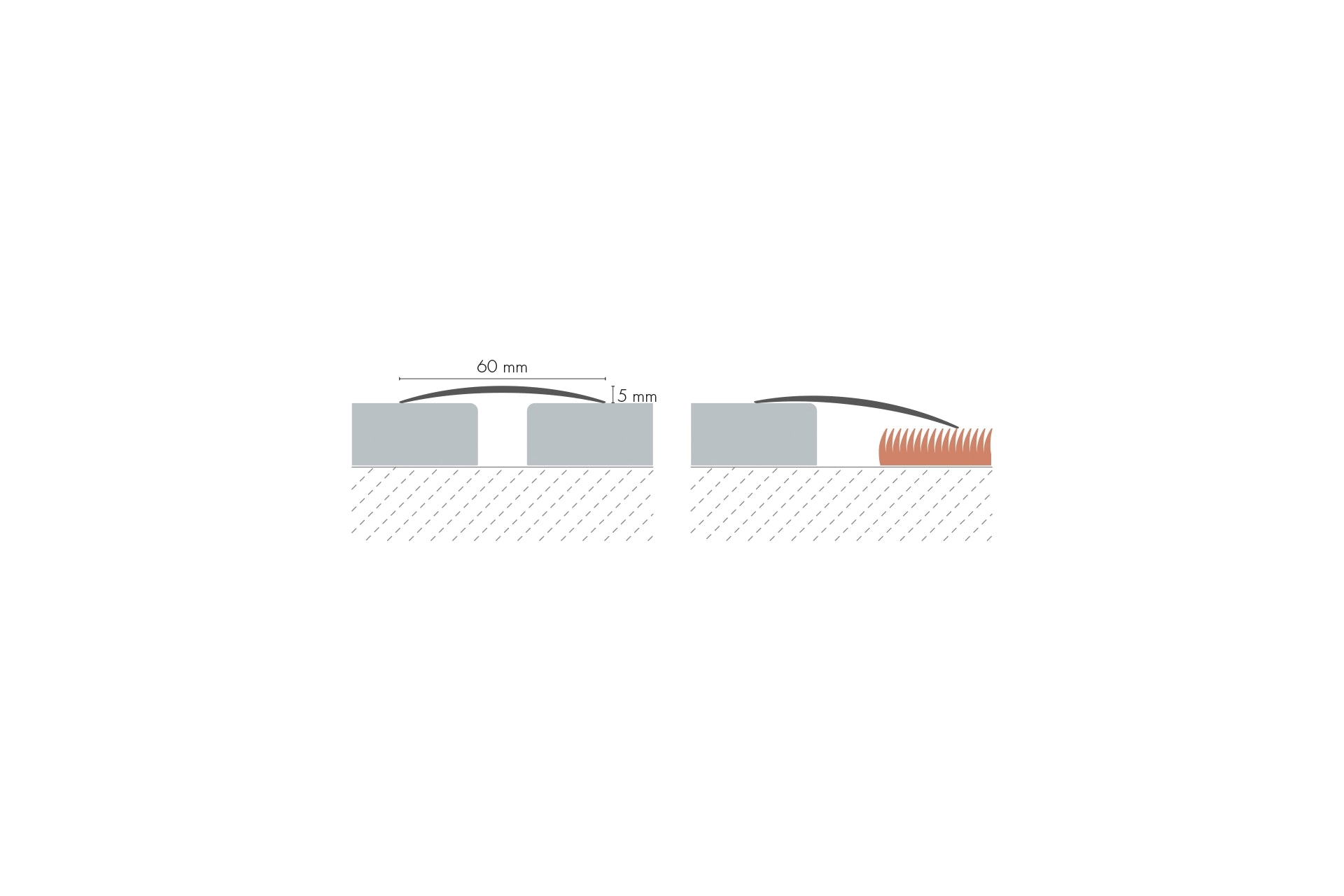
For surfaces laid at the same height, a connecting strip with a straight or slightly rounded shape works well. For a significant height difference, it is worth using a leveling profile, which, due to its design, enables a smooth transition between floor coverings and improves comfort of use.
A solution that increases installation flexibility is an adjustable strip, allowing the width to be adapted to the expansion joint without needing to change the model. Before choosing, it is important to accurately measure the thickness of the materials and the width of the gap to achieve a durable and aesthetic finish.
Tile trims and underlays for panels will also be helpful during installation, as they affect the final height of the flooring.
Dimensions and colors of threshold profiles – widths, lengths, and finishes
Aluminum threshold profiles are available in lengths of 0.93 m, 1 m, 1.86 m, and 2.50 m, making them easy to adapt to typical door openings. The range of working widths is from 14 mm (in slender profiles) to 47 mm (in wider variants intended for larger expansion joints).
You can find with us:
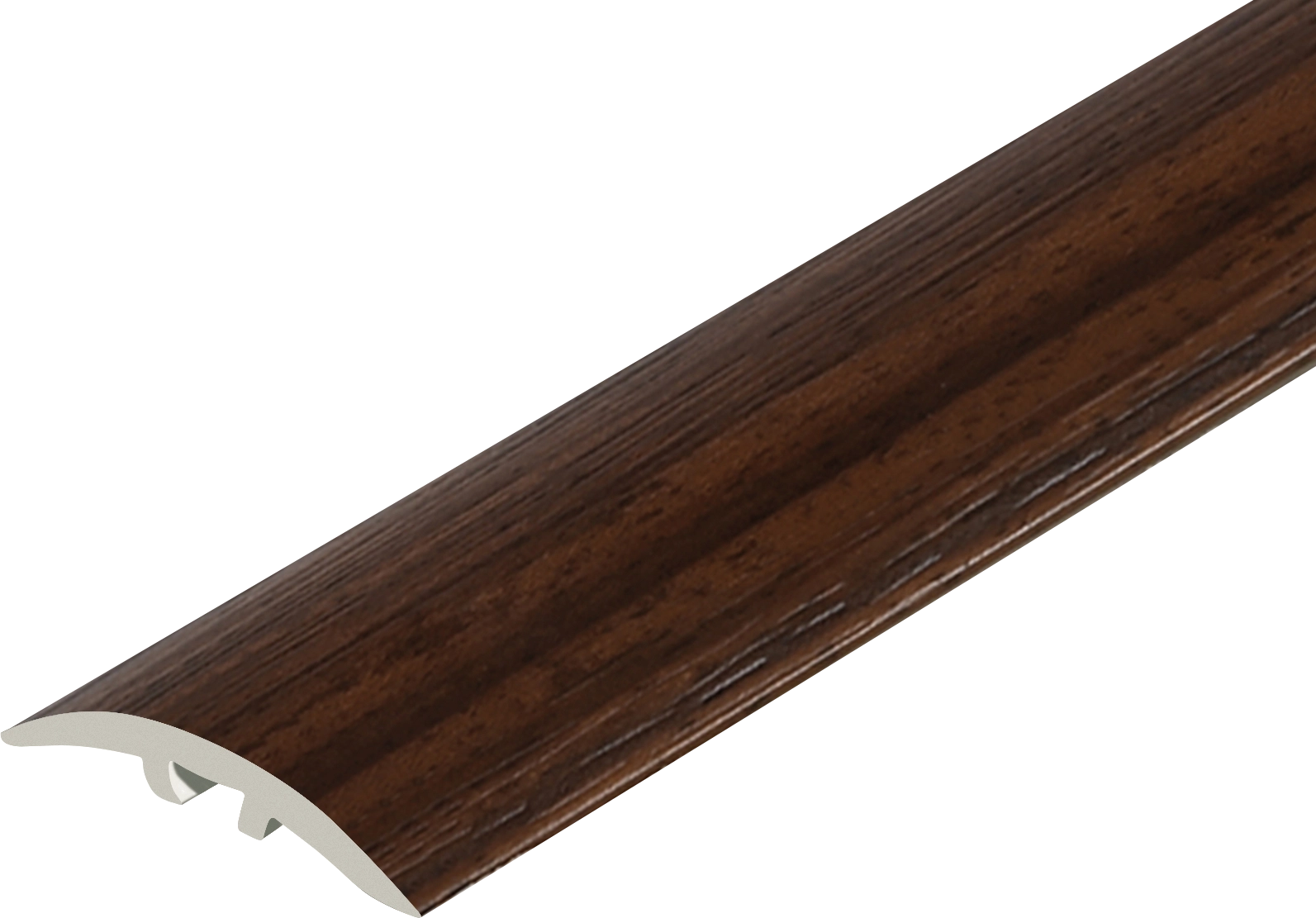
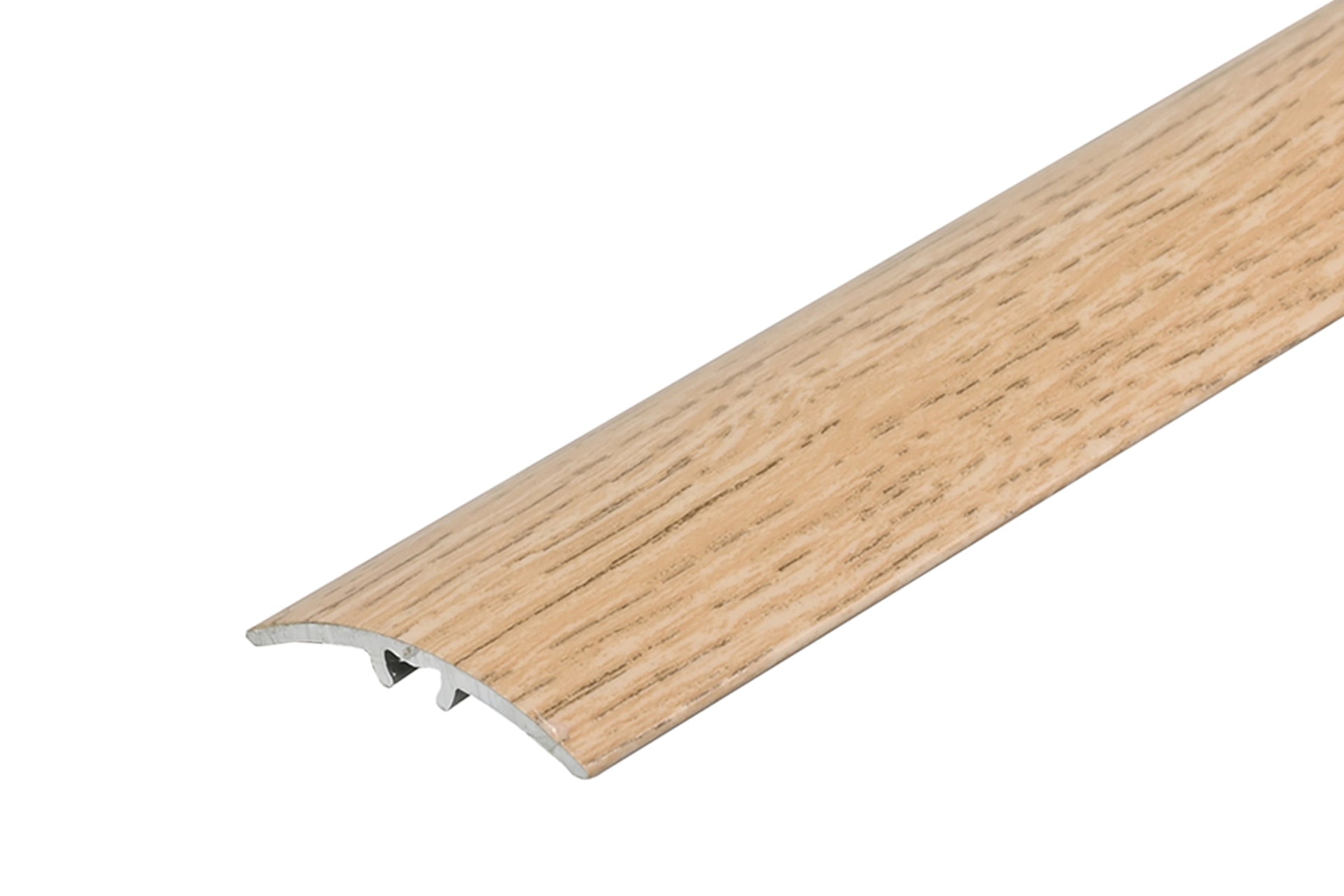
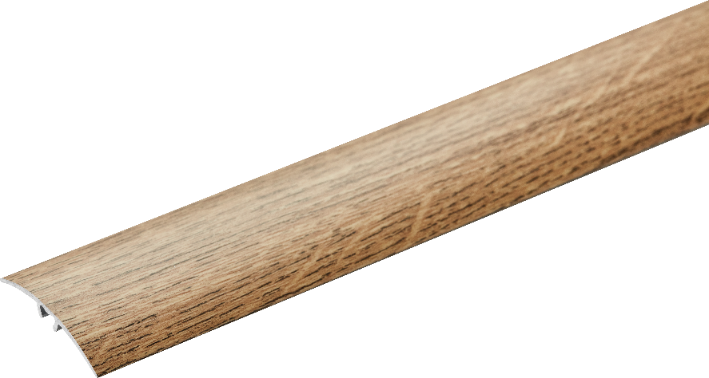
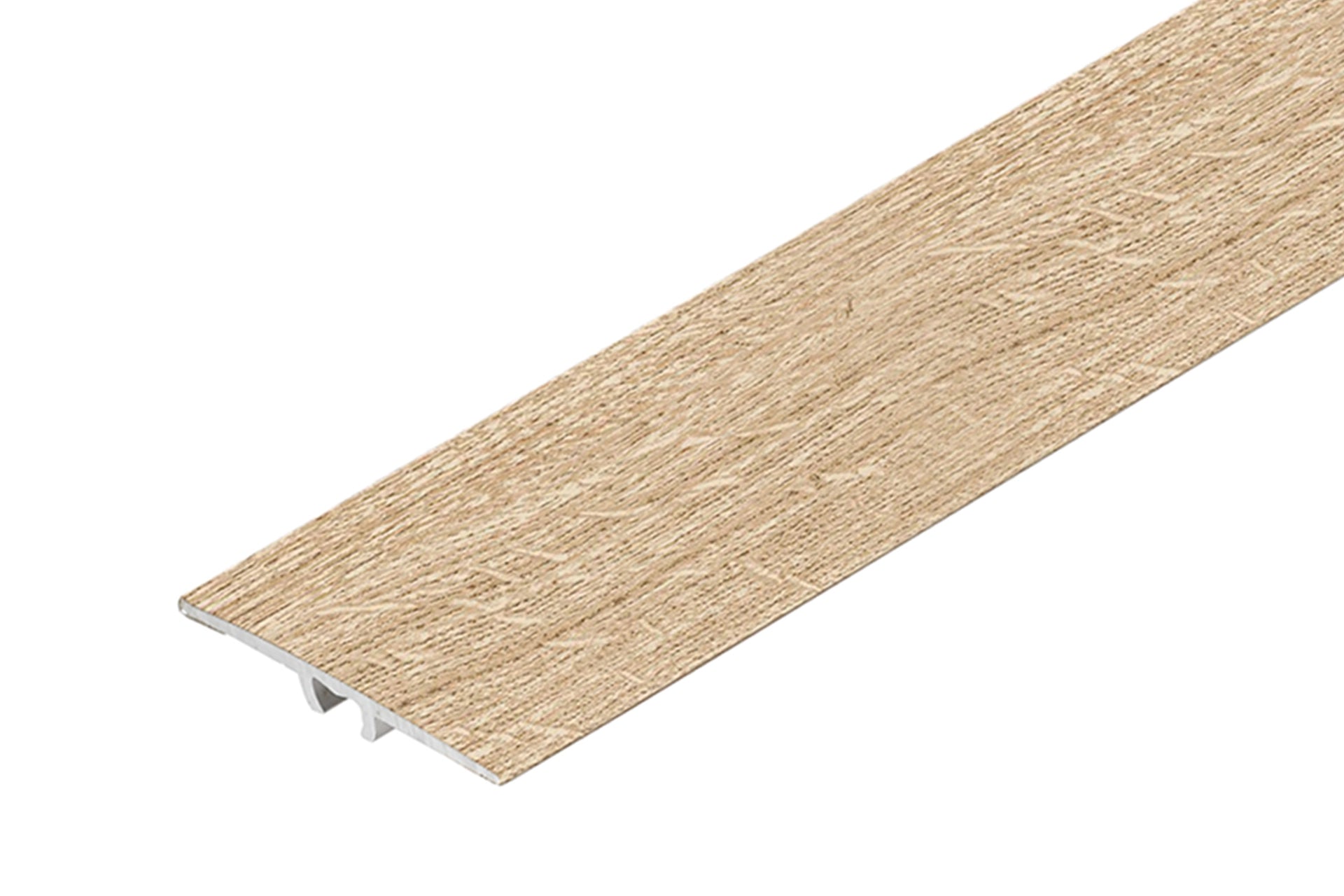
- wood-like decors - inspired by the natural color of wood,
- neutral shades - silver, champagne, white,
- dark variants - graphite and black.
The surface of each profile is protected with a durable matte coating, which increases resistance to daily use.
We invite you to explore the full range of threshold strips available in our store.