Flexible 3D Wall Panels: Designer Whim or Installation Revolution? A Guide to Thalia Flex
Challenging architectural conditions, such as arches, pillars, or rounded walls, have always posed a significant finishing challenge. Traditional, rigid decorative materials require complex processing and rarely achieve a perfect effect on curved surfaces. Modern materials that combine unique design with plasticity are becoming the solution to this problem. We're examining how flexible 3D wall panels perform in practice and whether the Thalia Flex collection is a real breakthrough in interior design.

How to choose wall panels wisely? A step-by-step decision-making process
Choosing the right vertical decoration should not be accidental. For a wall arrangement to be aesthetically pleasing for years and maintain full functionality, it's worth going through five key decision-making stages.
1. Room function
Before purchasing, determine the conditions prevailing in the interior. In rooms such as the hallway or living room, resistance to mechanical damage is important. In the kitchen or bathroom, the material's resistance to moisture will be crucial.
2. Interior style
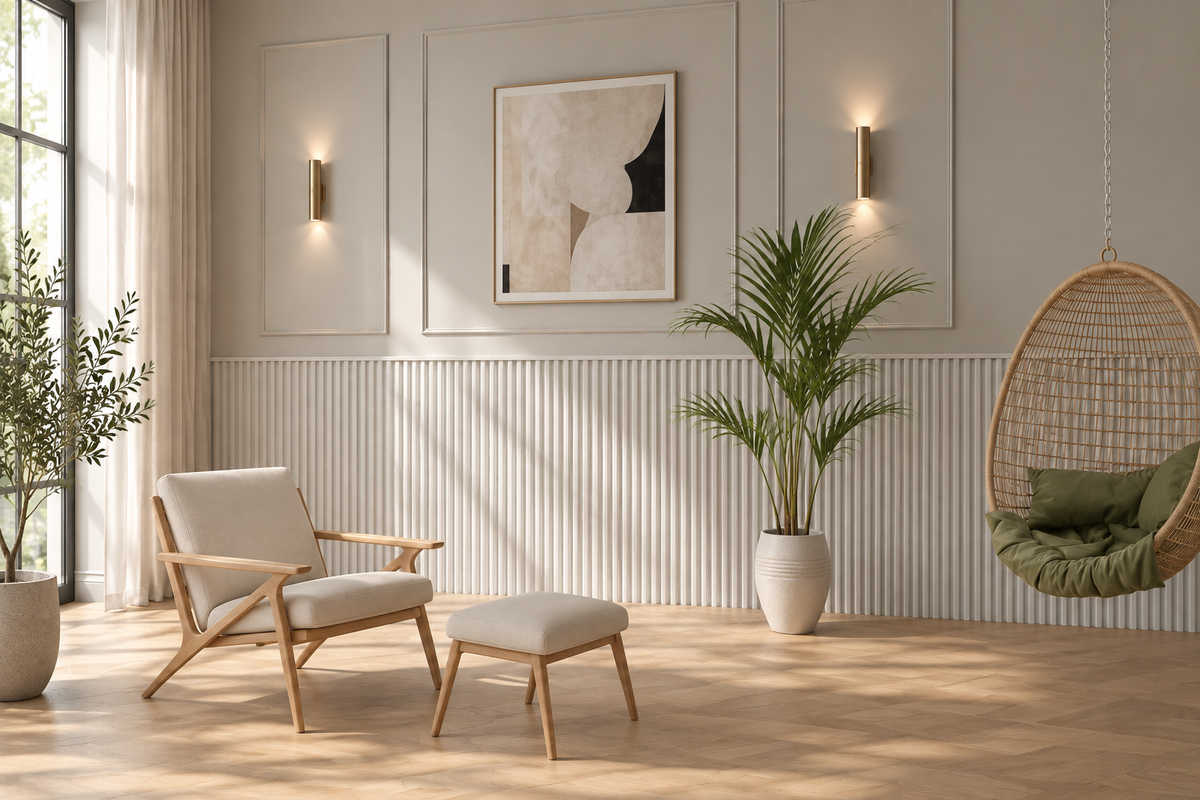
Match the character of the three-dimensional structure to the overall visual concept of the house. Geometric, deep patterns will look great in modern and loft arrangements. Subtle, vertical fluting will perfectly emphasize classic, Japandi, or Scandinavian aesthetics.
3. Color and texture vs. interior size
At this point, the rule of proportion strictly applies. Light and subtle textures optically enlarge the space, making them ideal for small interiors. Expressive 3D structures and dark, deep colors require space – use them only in large, well-lit rooms.
4. Material
The material determines the flexibility and durability of the product. Innovative polymer materials used in the Thalia Flex collection guarantee full flexibility without the risk of cracking. Additionally, they are lightweight, which significantly reduces the load on the wall structure.
5. Installation method
Traditional decorative panels require perfectly straight walls and the creation of heavy frames. For flexible products, installation involves direct gluing to the substrate. This allows for quick finishing of even the most irregular arches or columns.

Product synergy: combine panels with skirting boards
A perfect interior is one where all finishing elements form a cohesive whole. When installing 3D wall panels, you must ensure their aesthetic finish at the junction with the floor.
-
Principle of Consistency: Choose skirting boards in the color of the wall or panels to optically heighten the room and create a harmonious effect.
-
Modern Features: Use skirting boards with LED channels at the bottom of the wall decoration to effectively illuminate the three-dimensional structure of the panels from below.
-
Edge Protection: A solid skirting board at the base of the panels protects their bottom edge from impacts during vacuuming.
Common mistakes when arranging with 3D panels
-
Ignoring the rule of proportion: Placing deep, dark 3D structures in narrow and dark corridors, which creates a feeling of being overwhelmed.
-
Inadequate substrate preparation: Gluing flexible coverings onto dusty, greasy, or unstable plaster without prior priming.
-
Lack of lighting planning: Foregoing side or top accent lighting, which naturally brings out the depth of three-dimensional patterns.
-
Random cutting: Not measuring the panels on the wall beforehand, resulting in unsightly, very narrow strips of material at the corners.
Summary – checklist for successful installation
-
[ ] Carefully measure the surface and account for 5-10% extra for trimming.
-
[ ] Clean, degrease, and prime the substrate before starting work.
-
[ ] Dry-fit the pattern layout, starting from the most visible spot.
-
[ ] Use a dedicated, quick-drying mounting adhesive recommended by the manufacturer.
-
[ ] Finish the composition at the bottom using color-matched skirting boards.
FAQ
Can flexible wall panels be installed on round columns? Yes, the plastic structure and high flexibility of the material mean that products from the Thalia Flex line perfectly adapt to arches, pillars, and rounded surfaces without the risk of cracking.
What tools are needed for cutting flexible panels? You don't need specialized machines for processing and shortening the material. Basic installation tools such as a sharp utility knife or a classic hand saw with fine teeth are sufficient.
Are 3D wall panels easy to clean? Absolutely. The panel surface is resistant to moisture and dirt, so maintenance is limited to regular wiping with a dry or slightly damp microfiber cloth and a mild detergent.
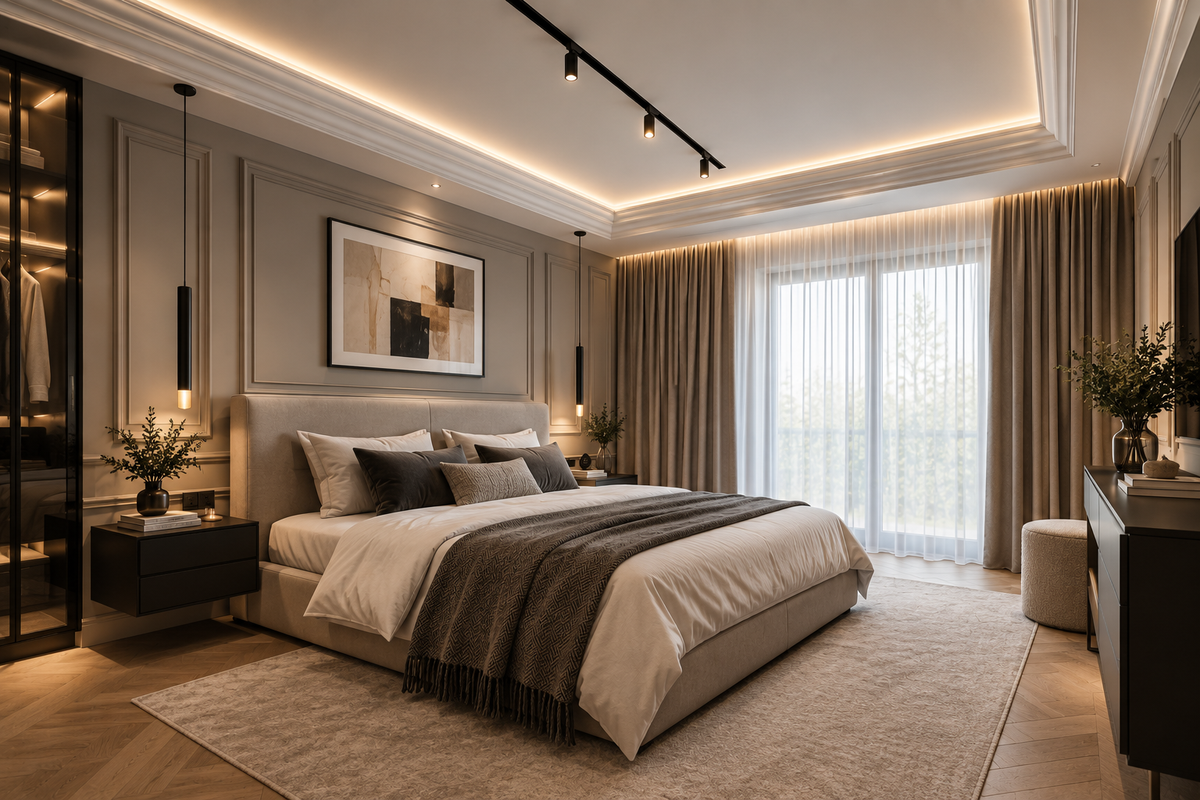
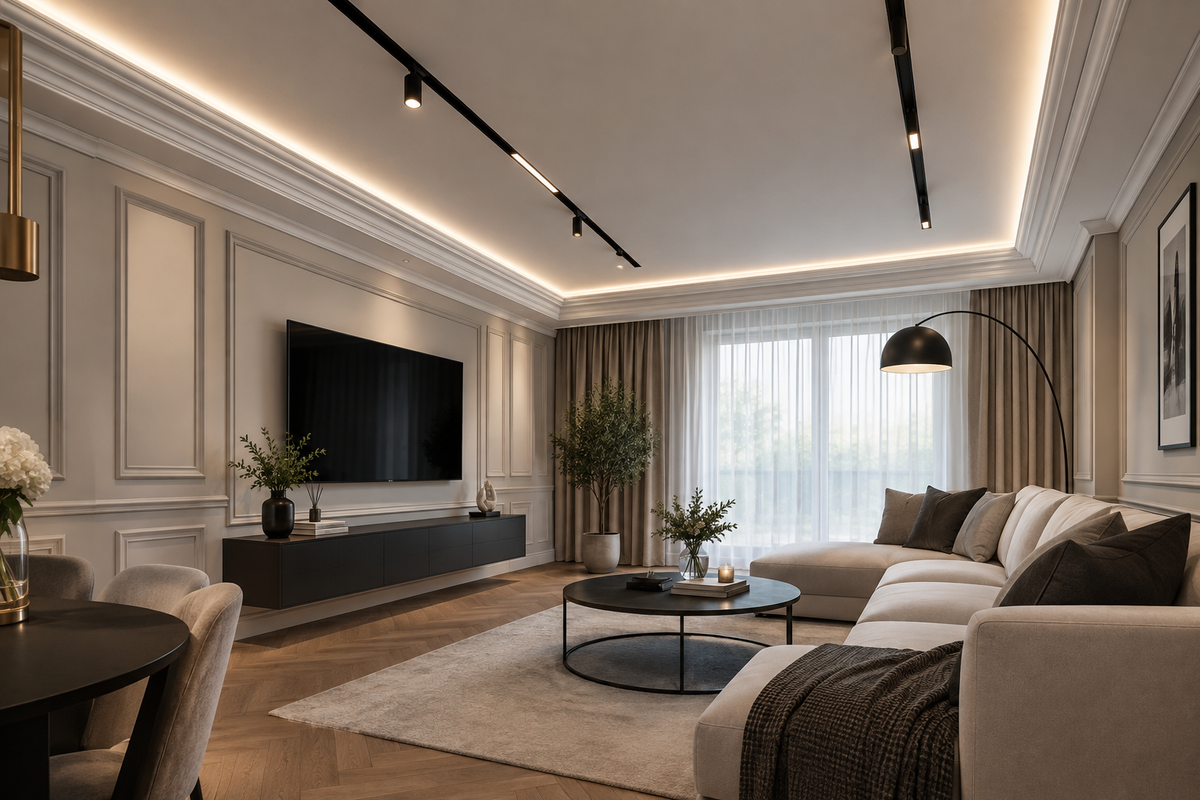
What lighting best highlights the three-dimensional pattern on the wall? The best effect is achieved by using strip or spot lighting directed along the wall (e.g., LED strips installed in suspended ceilings or special LED skirting boards). Light falling at an angle creates subtle shadows that effectively highlight the 3D structure.
Where can I find the full range of flexible wall covering designs and variants? All available structures, colors, and technical parameters can be found directly on the Thalia Flex product page, where you can choose the variant perfectly suited to your project.
Share:
Cezar Academy Kicks Off: We're Opening Our Company Doors and Focusing on Knowledge
Idealne narożniki – jak przycinać listwy sufitowe bez błędów?