
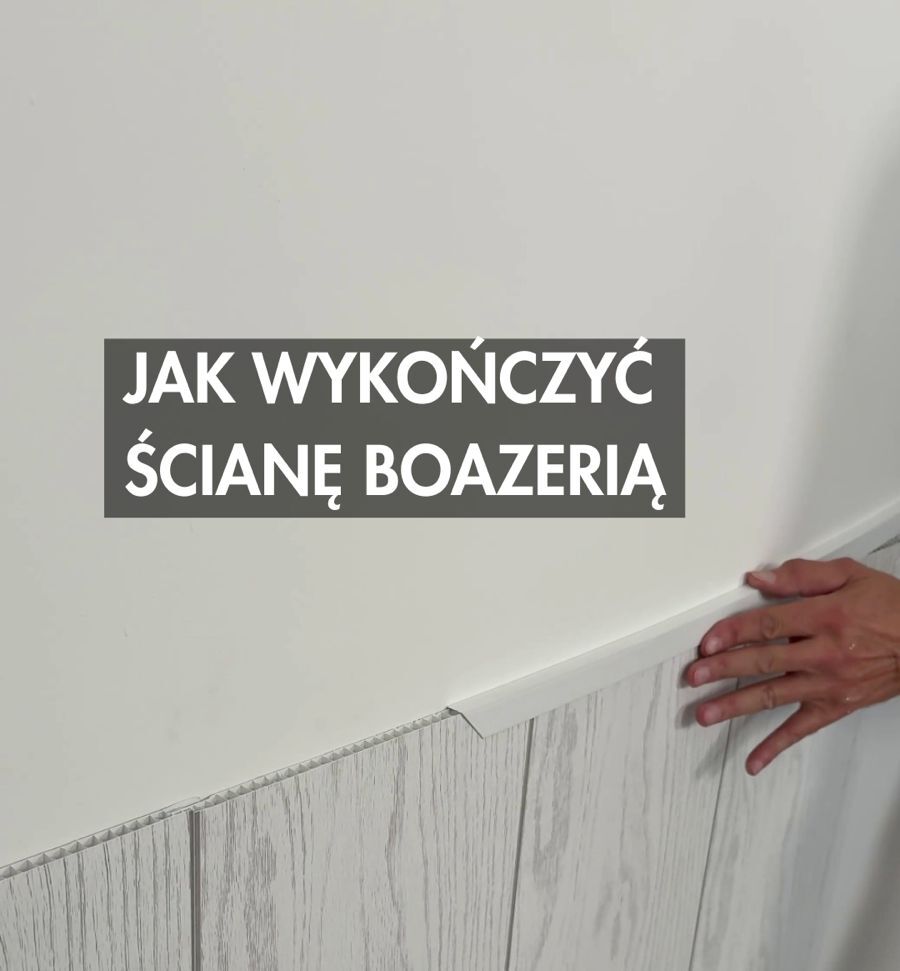
Looking for a way to quickly and dramatically refresh your interior without the hassle of a lengthy renovation? PVC wall panelling is making a big comeback in a modern, highly practical form. It’s a tried-and-tested way to transform a room, conceal uneven surfaces and protect walls from dirt and moisture for years to come. Discover the key features of this solution and see how easy it is to install yourself.
What makes modern PVC wall panelling stand out?
Today’s PVC wall panels are cleverly engineered hollow profiles that combine low weight with high resistance to mechanical damage. Thanks to their internal reinforcing ribs, the panels won’t bend under pressure and create a perfectly smooth, attractive wall surface.
The main advantage of PVC is that it is completely unaffected by water, water vapour and commonly used detergents. This makes PVC panelling a great choice not only for hallways and living rooms, but also for more demanding areas such as bathrooms, kitchens, stairwells and utility rooms.
Key advantages and benefits
When you choose PVC wall panelling, you benefit from a full range of practical advantages:
-
100% waterproof – the material does not swell or warp when exposed to moisture.
-
Easy to care for – the smooth surface is easy to keep clean with just a damp cloth.
-
Conceals surface imperfections – quickly hides cracks, unevenness and ripples in old plaster.
-
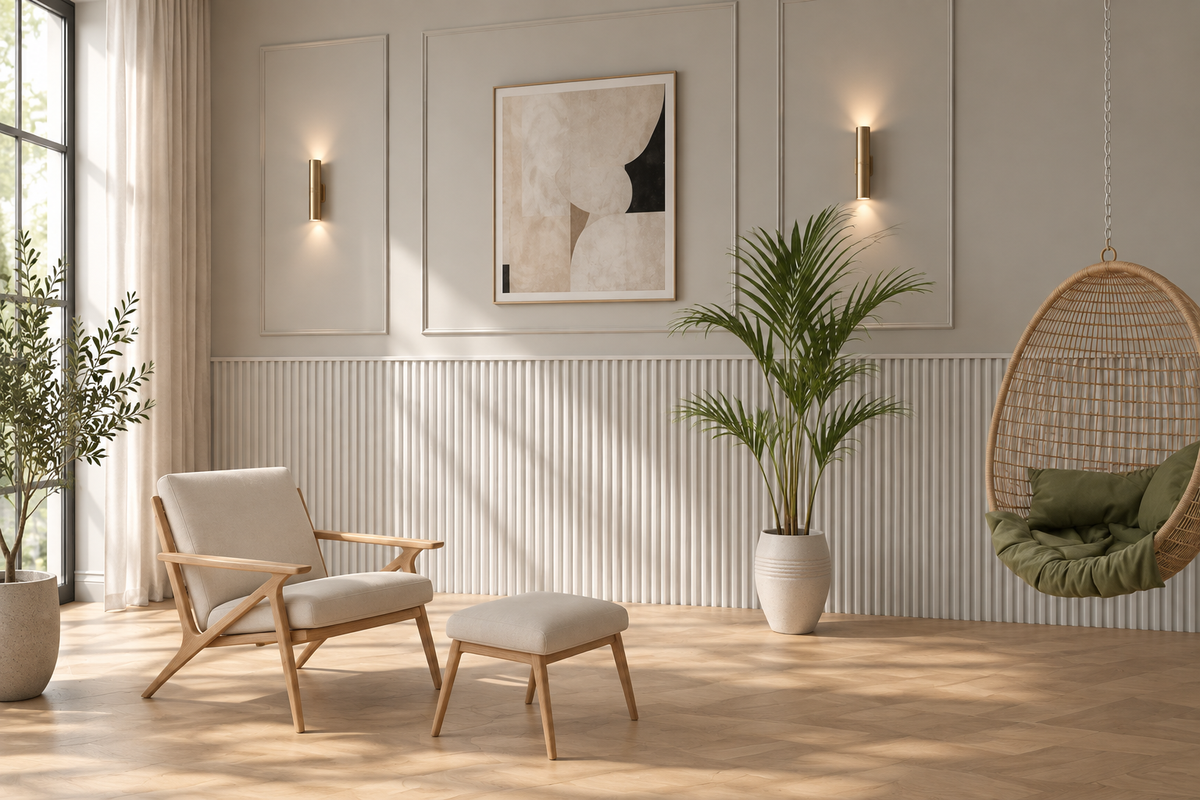
Flexible design options – cover an entire wall or create a stylish dado rail effect up to a chosen height.
-
Long-lasting durability – the decorative coating is highly resistant and retains its fresh appearance for years.
How to install PVC wall panelling at home (step by step)
Installing the panels is straightforward and requires no specialist building equipment. Installation is quick and easy, with a choice of fixing methods:
-
Prepare the surface – if using adhesive, clean and degrease the wall. If the walls are very uneven, prepare a lightweight framework using wooden battens or profiles.
-
Install the starter profile – fit a dedicated starter trim at floor level or in a corner to provide a stable starting line.
-
Fit the first panel – slide the panel into the profile and use a spirit level to ensure it is perfectly vertical.
-
Join and secure the panels – connect the subsequent panels using the tongue-and-groove system. Secure them to the surface or battens using Cezar dedicated panel fixing clips, upholstery staples or mounting adhesive.
-
Finish neatly – finish the side and top edges with matching corner, joining or ceiling profiles.
Cezar products used
For a durable finish, use Cezar’s dedicated product system:
-
Cezar PVC wall panels – practical wall panels available in widths of 10 cm and 25 cm, with a wide range of finishes (from matt white and modern graphite to wood and marble effects).
-
Cezar wall panel fixing clips – special clips that secure panels firmly and discreetly without damaging their edges.
-
Cezar PVC finishing profile system – starter, ceiling, H-joint and corner profiles for a consistent, neat finish across the entire installation.
-
Mounting adhesive – an option for quick, drill-free installation directly onto a flat surface.
Summary
PVC wall panelling is a tried-and-tested way to create a durable, clean and polished interior. Its moisture resistance, ease of cleaning and simple installation make it an exceptionally versatile choice for any home.
Looking for durable finishing solutions made in Poland? Explore the full range of panels and installation accessories at cezar.eu and create a practical space that will last for years!
Share:
Why choose polystyrene skirting boards? Discover 3 main benefits
Smartphone-controlled curtains – how to install window automation without a renovation?