
⏱️ Reading time: 3 min
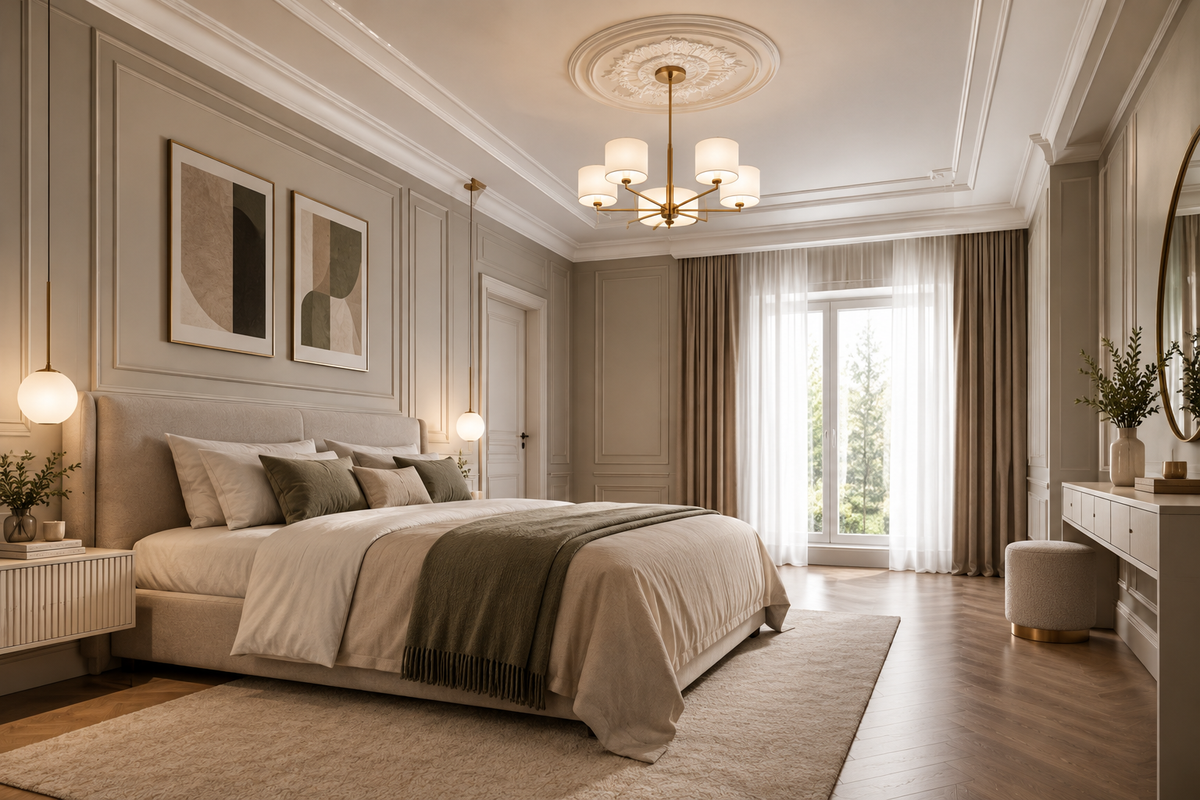
Moulding is one of the most effective ways to give an interior an elegant character without the need for a major renovation. Properly chosen profiles not only decorate walls and ceilings, but also improve the proportions of the room and mask minor surface imperfections. Find out how to use moulding elements step by step to create a cohesive and modern interior.

Choosing Moulding – From Function to Material
When selecting decorative elements, it is worth starting by defining the area you want to transform and the visual effect you plan to achieve.
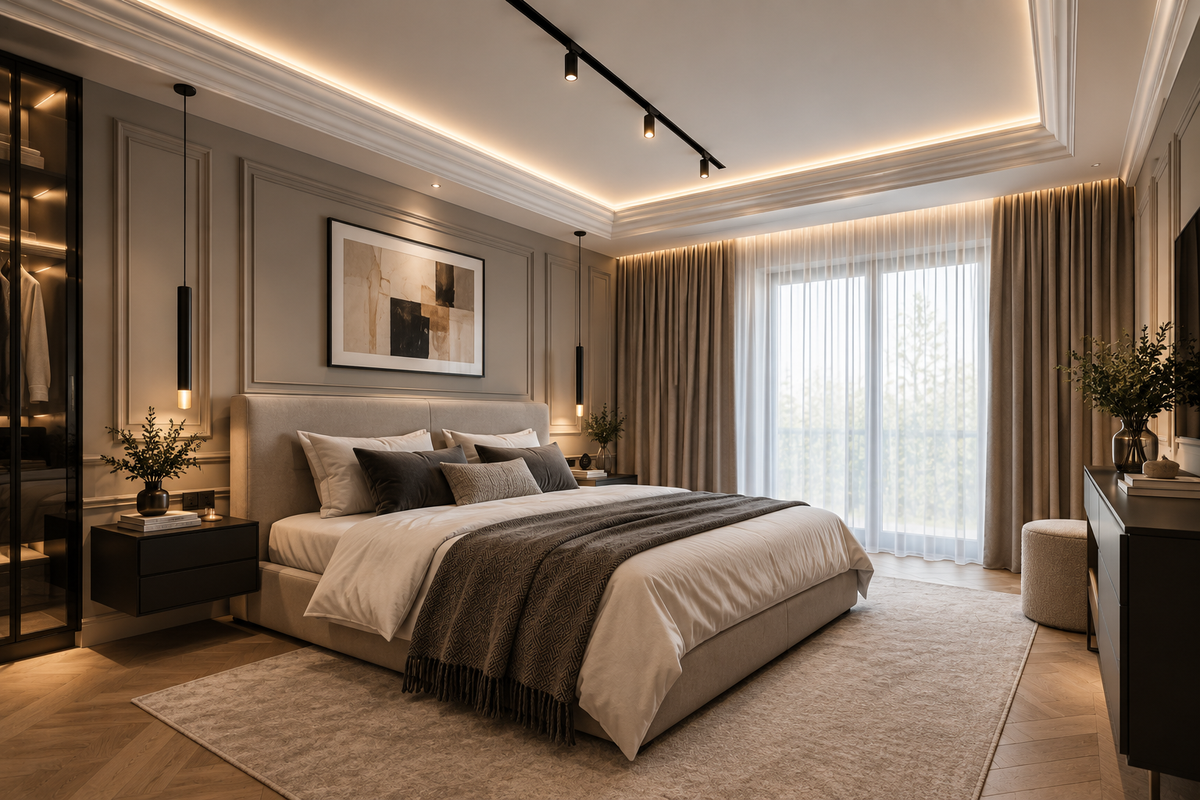
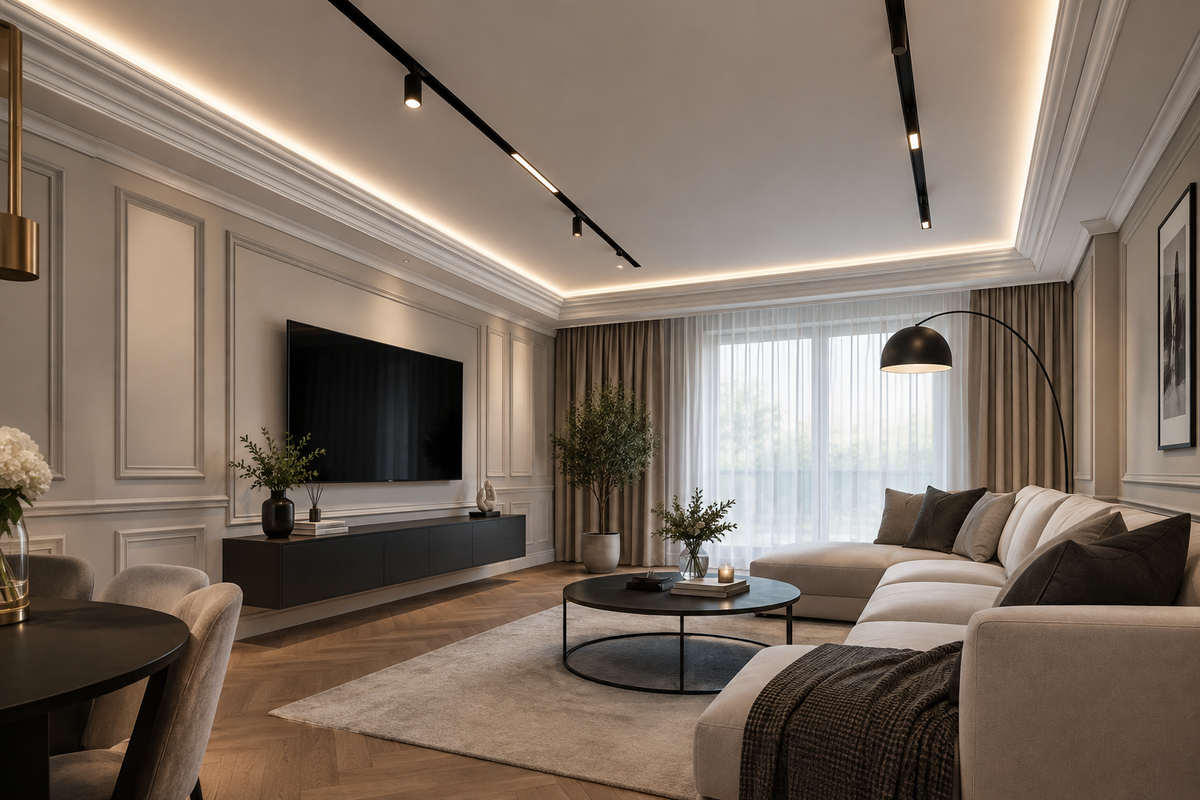
- Ceiling area: The junction between the wall and ceiling is a key point in every room. To create a smooth transition between these surfaces, coving is an excellent choice, as it visually raises the interior.
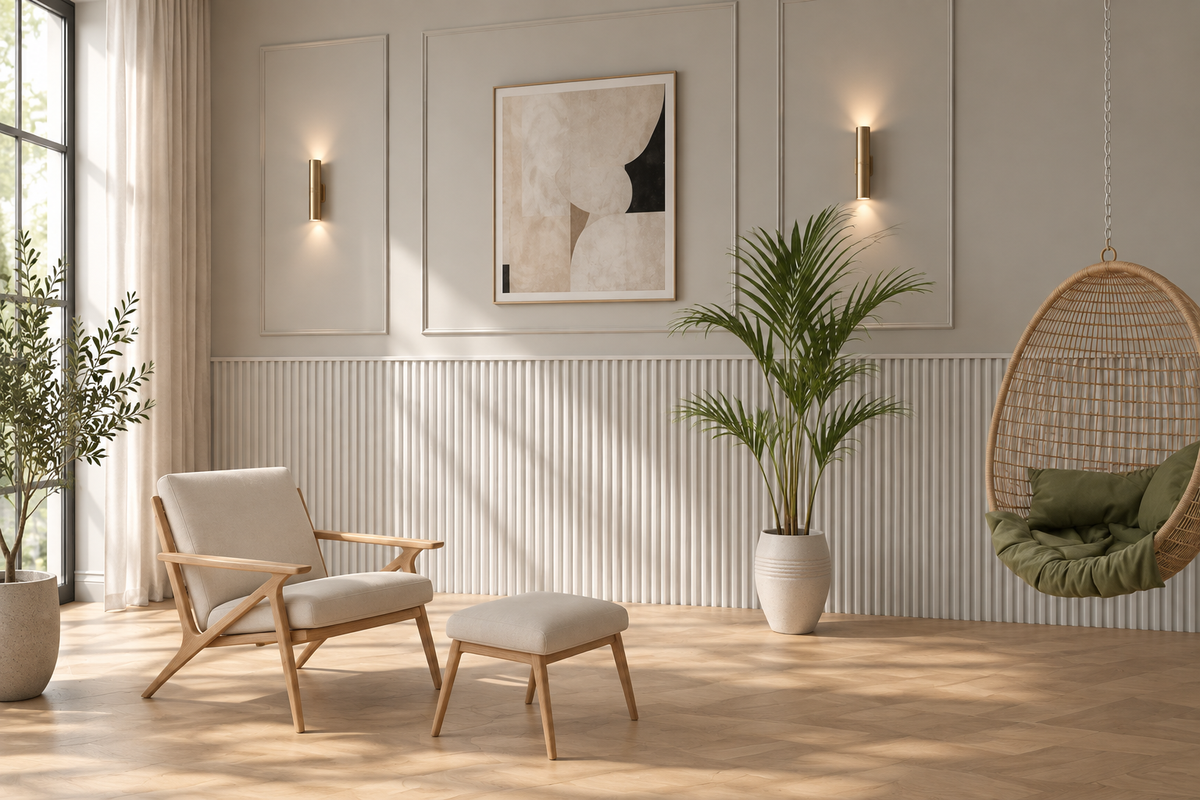
- Wall division: If you want to break up the monotony of a plain wall or create elegant screen frames, choose suitable wall mouldings.
- Central accents: Highlighting a pendant light or chandelier requires a striking central point. Classic and modern ceiling roses are perfect for this role.
🛒 Recommended products from this category:
Check out our dedicated collection: Coving and choose the perfect solution for your interior.
Material Requirements and Functionality
Modern moulding combines aesthetic appeal with high durability. The choice of the right material depends on the intended use of the room:
- Polymer / Hardened Polystyrene: A lightweight material that is extremely resistant to mechanical impacts and completely waterproof. Ideal for living rooms, hallways, as well as bathrooms and kitchens.
- Polyurethane Foam: Characterized by high density and precise detailing.
- Finish and Painting: Profiles are supplied ready to be painted with water-based paints (acrylic, latex), allowing them to perfectly match the wall color or create a contrasting accent.

Principles of Proportions and Interior Design in Practice
- Low rooms (up to 2.6 m): Choose slim coving (4–6 cm high) and subtle flat wall mouldings. Overly bulky profiles will overwhelm the interior.
- High rooms (over 2.8 m): You can safely use wide coving (10–15 cm), elaborate wall frames, and grand ceiling roses.
- Frame composition: Maintain symmetry. The distance of wall frames from the corners of the wall, floor, and ceiling should usually be between 15 cm and 30 cm.
💡 Also read:
English paneling – how to create an elegant interiorMost Common Mistakes When Installing Moulding
- Lack of material acclimatization: Installing profiles immediately after delivery, without waiting 24 hours for the temperatures to equalize.
- Incorrect adhesive: Using adhesives containing solvents that can damage the structure of the material. Dedicated mounting and jointing adhesives should be used.
- Imprecise angle cutting: Cutting profiles without using a miter box at a 45-degree angle.
- Skipping sealing: Failing to fill the gaps at the wall with filler or acrylic before painting.
Summary – Moulding at a Glance
- Match the scale: Choose the size of the profiles according to the height and area of the room.
- Remember the intended use: For rooms exposed to moisture and impacts, choose polymer materials.
- Pay attention to details: Use dedicated adhesives and precisely mask the joints before painting.

Frequently Asked Questions (FAQ)
Can moulding be installed in a bathroom?
Yes, provided you choose profiles made of waterproof polymers and use a suitable moisture-resistant mounting adhesive.
What should moulding be painted with?
Moulding should be painted with solvent-free paints – preferably acrylic, latex, or ceramic interior paints.
How to hide cables or imperfections under ceilings?
Profiled coving is ideal for masking wires and uneven wall-ceiling joints, as it features special technical spaces on the inside.
Share:
Skirting board baseboard vs. regular skirting board – what’s the difference and which should you choose?
Moss wall in the home – natural and artificial options (and modern alternatives)