
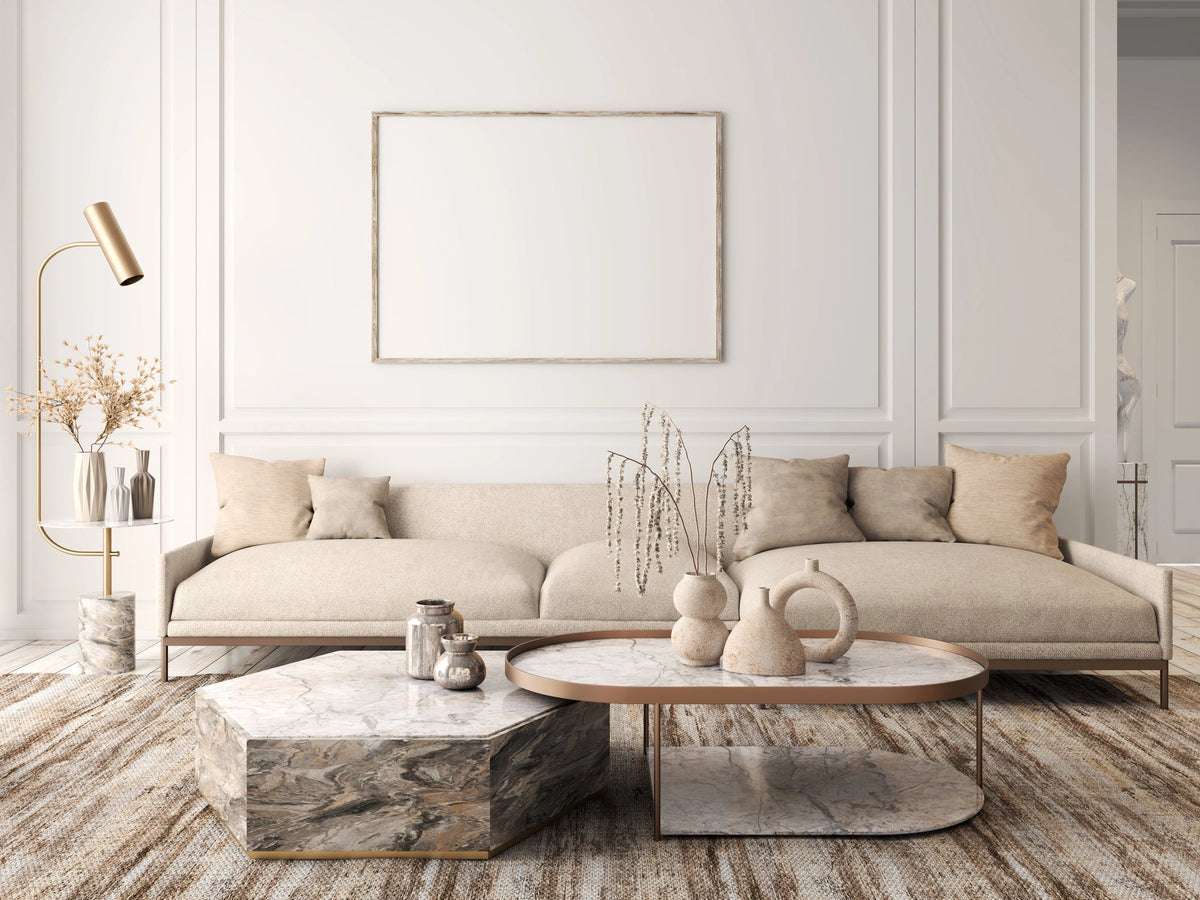
⏱️ Reading time: 3 min
Natural light, warm wood tones, ubiquitous white and functional minimalism – Scandinavian style has remained one of the most popular interior design choices for years. Originating in the North, this design is based on creating spaces that are cozy, bright, and close to nature.

Find out exactly what makes this style unique, who it is ideal for, which elements are key to its arrangement, and how to quickly transform your home with simple details.
What characterizes Scandinavian style?
Scandinavian interior architecture emerged as a response to the harsh climate and short days. The main goal of this style is to maximize natural light in rooms and give them a warm, homey feel.
Interiors in this style are distinguished by several key features:
- Light color palette: Whites, off-whites, beiges, and warm earth tones dominate.
- Natural materials: Wood is king (especially light oak, pine, and ash), along with linen, cotton, and stone.
- Ergonomics and functionality: Every piece of furniture and accessory serves a purpose – there is no room for random items that clutter the space.
- Maximum illumination: Unobstructed windows, light curtains, and multi-point warm lighting.
🛒 Recommended products from this category:
Check out our dedicated collection: White skirting boards and choose the perfect solution for your interior.
Key elements of Scandinavian interior design
To create a polished and harmonious composition, attention should be paid to three fundamental areas: the floor, the walls, and the finishing details.
1. Light floor and skirting board finish
The foundation of Scandinavian design is a light floor – most often in shades of natural oak, pine, or bleached wood. The key challenge is to combine it aesthetically with the wall.
It is worth choosing proven solutions:
- Optically raising the interior: White skirting boards work perfectly, creating a clean boundary between the floor and the wall.
- Multifunctionality and cable concealment: If you want to hide cables and maintain flexibility, the Hi-Line Prestige PVC skirting board in matte white (RAL 9003) is an excellent choice for high-traffic rooms.
2. Textured walls and space
Although smooth white walls are a classic, modern Scandinavian style often introduces 3D texture, which interacts beautifully with light.
To add coziness to the interior and create an elegant finish for an accent wall, decorative wall solutions will work well. An example is high-quality moulding, which allows you to introduce geometric divisions or create subtle decorative frames without overwhelming the space.
3. Seamless transitions and refined details
Open space is a pillar of modern construction. Connecting the living area with a kitchenette or hallway requires the use of appropriate finishing profiles that do not disrupt visual continuity.
- Seamlessly meeting surfaces: Instead of bulky brass thresholds, use a minimalist PVC joint profile, creating an aesthetic transition between tiles and panels.
- Subtle expansion joint concealment: In places where a classic skirting board is too high or precise edge finishing is required (e.g., at window sills or furniture), white PVC quarter rounds work perfectly.

Who is Scandinavian style for?
Scandinavian style is extremely versatile and perfectly meets the diverse needs of residents:
- For owners of small apartments: White and light wood visually enlarge and brighten small spaces.
- For people who value order: It makes organizing space easier thanks to the "less is more" principle.
- For families with children: Durable and easy-to-clean finishing materials (e.g., PVC plinths) provide resistance to daily use.
- For nature lovers and allergy sufferers: Natural materials and smooth surfaces limit dust accumulation.
How to quickly transform your current interior into Scandinavian style?
Transforming an interior does not have to involve a long and expensive renovation. Just a few simple steps are enough to give a room a completely new atmosphere:
- Replace the skirting boards: Replacing dark or damaged plinths with matte, white skirting boards will instantly refresh the look of the floor and brighten the entire room.
- Repaint the walls: Opt for warm white, soft beige, or off-white light grey.
- Uncover the windows: Remove heavy curtains in favor of light, light-permeable linen or cotton fabrics.
- Introduce three-dimensional accents: Create an accent wall using elements such as moulding or wooden slats.
- Declutter the accessories: Replace multicolored decorations with a few refined wooden, ceramic, or glass pieces.

Most common mistakes in Scandinavian interior design
- Using too cool a white: Laboratory shades give the interior a harsh, hospital-like atmosphere. Choose off-whites and matte finishes.
- Mismatched wood tones: Mixing many types and shades of wood in one room creates visual chaos.
- Dark and bulky finishing profiles: Dark elements at the bottom of the wall "cut off" the floor, visually shrinking and lowering the room.
Summary: Scandinavian Checklist
- [ ] Paint the walls in a light, neutral color.
- [ ] Choose a light floor and combine it with the wall using matte, white skirting boards.
- [ ] Conceal narrow expansion joints and edges using PVC quarter rounds.
- [ ] Connect different flooring materials with a discreet, flat PVC joint profile.
- [ ] Introduce texture to a selected wall using finishes such as moulding.
Frequently Asked Questions (FAQ)
1. Do white skirting boards match wooden floors?
Yes. White skirting boards are a universal connector between wooden flooring and the wall. They visually raise the room and give the entire arrangement a modern, clean look.
2. What finishing boards should I choose for a Scandinavian-style kitchen?
In areas exposed to moisture and dirt, water-resistant PVC boards work best, as they are flexible and easy to keep clean.
3. Can wall decorations be used in Scandinavian style?
Absolutely. However, simple patterns should be chosen. Elements such as wall moulding or decorative panels painted the same color as the wall create a subtle 3D effect while maintaining the minimalism characteristic of this style.
4. What can be used to cover narrow expansion joints at furniture or window sills?
The most convenient solution is lightweight finishing quarter rounds, which fit perfectly against surfaces and effectively protect the joints from dust accumulation.
5. Where can I buy matching finishing elements for light interiors?
You will find a full range of matching products – from skirting boards to moulding and joint profiles – directly in our online store in the white skirting boards category.
Share:
Industrial and Loft Style – How to Combine Raw Concrete on the Wall with a Black Profile?
Modern Classic – How to Combine Ceiling Mouldings with LED Lighting: A Step-by-Step Guide