
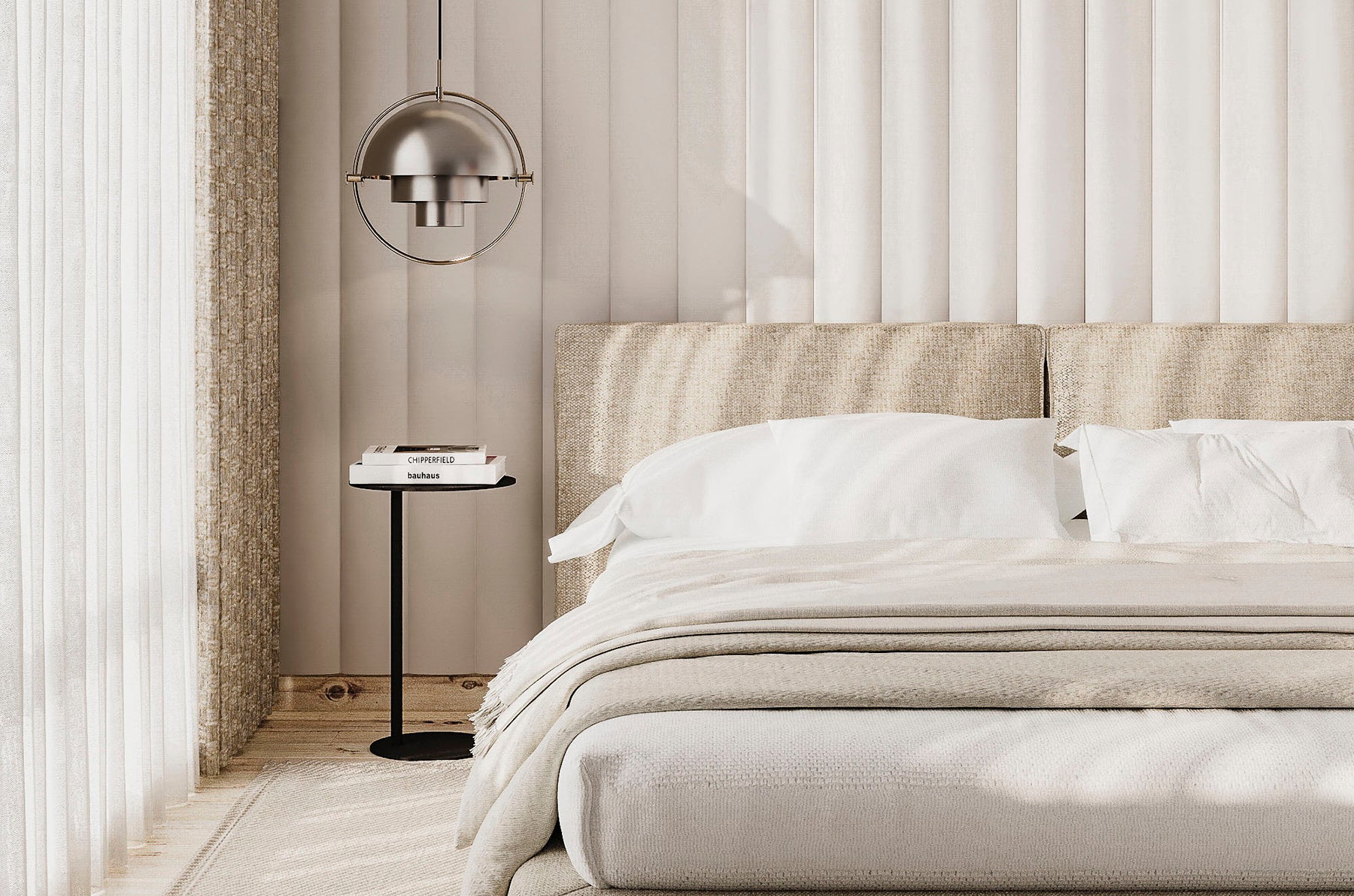
Wall panels are one of the simplest and most effective ways to transform a room. Properly selected, they can completely transform the character of a room, giving it a modern style, improving acoustics, and concealing minor wall imperfections. However, the wide variety of patterns, materials, and formats makes choosing the perfect wall panels not always easy.
In this guide we explain step by step how to choose wall panels for your home so that they match the interior, are functional and aesthetic for many years.
Step 1: Determine what room you are choosing wall panels for
The first and most important step is determining where the wall panels will be placed. Different solutions will work well in the living room, the bedroom, and still others in the kitchen or hallway.
Wall panels in the living room often serve a decorative purpose and provide a backdrop for the lounge area. In the bedroom, coziness and cohesion with the décor are important, while in the hallway or kitchen, resistance to stains and damage will be key.

Step 2: Choose the right type of wall panels
Decorative wall panels
Decorative wall panels are a solution for those looking to achieve a "wow" effect without a complete renovation. Three-dimensional structures, geometric patterns, or subtle textures make the wall the focal point of the design.
Wall panels for modern interiors
Modern interiors are dominated by panels with simple lines, smooth surfaces, and subdued colors. These wall panels pair perfectly with minimalist furniture and neutral accessories.

Step 3: Match the wall panels to the interior style
The style of the interior should determine the choice of wall panels. Simple, geometric shapes work well in modern spaces, while panels with a subtle texture or rhythmic divisions look better in more classic or modern interiors.
Well-chosen wall panels should not compete with other design elements, but harmoniously complement them.

Step 4: Pay attention to the color and texture of the wall panels
The color of wall panels has a huge impact on the overall feel of a room. Lighter panels visually enlarge the space and add a sense of lightness, while darker ones add elegance and depth.
The texture of the panels—smooth, structured, or three-dimensional—affects the play of light and shadow. It's worth remembering that the more pronounced the texture, the better it looks on larger, well-lit walls.

Step 5: Select wall panels according to the size of the room
In small spaces, panels with subtle textures and light colors work better. Overly bold patterns can overwhelm the space. In larger rooms, bolder solutions are possible – 3D panels, vertical divisions, or contrasting colors.
Properly matching wall panels to the size of the interior allows you to maintain proportions and aesthetic balance.
Step 6: Check the material and properties of the wall panels
When choosing wall panels, it's worth considering the material they're made from. Modern panels are characterized by:
-
durability,
-
resistance to damage,
-
ease of assembly,
-
simple care.
The panel material should be adapted to the conditions in the room, especially if you plan to install it in the kitchen or hallway.
Step 7: Plan the installation of wall panels
The final step is planning the installation. Wall panels are a quick and convenient solution that doesn't require complicated construction work. Before installation, it's worth ensuring that the wall is clean, dry, and even.
Well-planned installation guarantees an aesthetic effect and durability for years.
The most common mistakes when choosing wall panels
When choosing wall panels, it is worth avoiding:
-
mismatch of the style of the panels with the interior,
-
too dark panels in small rooms,
-
excess patterns on one wall,
-
random selection of color without taking into account the light.
Conscious selection of panels is the key to a successful arrangement.

How to choose the perfect wall panels?
The choice of wall panels should be carefully considered and tailored to the specific interior. The right type, color, texture, and material allow you to create an aesthetically pleasing, functional, and cohesive space.
If you want an effect that will transform your interior:
-
match the panels to the room and style,
-
pay attention to proportions and colors,
-
choose durable and easy-to-install solutions.
Well-chosen wall panels are a detail that can completely change the character of a home – quickly, effectively and without a major renovation.
Share:
How to Match Skirting Boards to the Floor and Walls – A Guide for Perfectionists
Skirting boards – a guide to materials that will transform your interior